Embracing Agra’s Timeless Beauty: A Sustainable Journey to the Taj Mahal
Embark on a journey to Agra, where the timeless beauty of the Taj Mahal and Mughal monuments awaits. Discover how sustainable travel can enhance your exploration of these cultural treasures.


A Journey to the Heart of Mughal Splendor
As a travel writer with a passion for sustainable tourism, I often find myself drawn to destinations that offer a rich tapestry of history and culture. Agra, with its iconic Taj Mahal and other Mughal monuments, was a natural choice for my next adventure. The allure of exploring these architectural marvels while advocating for eco-friendly travel was irresistible.
My journey began in the early hours of the morning, as I embarked on a solo trip from Delhi to Agra. My driver, Pappu, was a beacon of warmth and professionalism, immediately putting me at ease. His commitment to safe driving and his willingness to tailor the itinerary to my interests set the tone for a memorable day.
The drive to Agra was a reminder of the importance of sustainable travel. As we passed through bustling towns and serene countryside, I reflected on the impact of tourism on local communities and the environment. Pappu’s knowledge of the area and his respect for the local culture were evident, and I appreciated his efforts to minimize our carbon footprint by choosing the most efficient routes.
The Timeless Beauty of the Taj Mahal
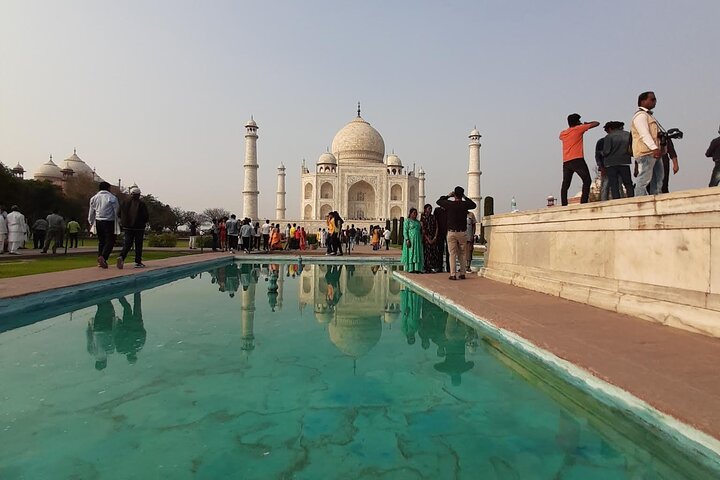
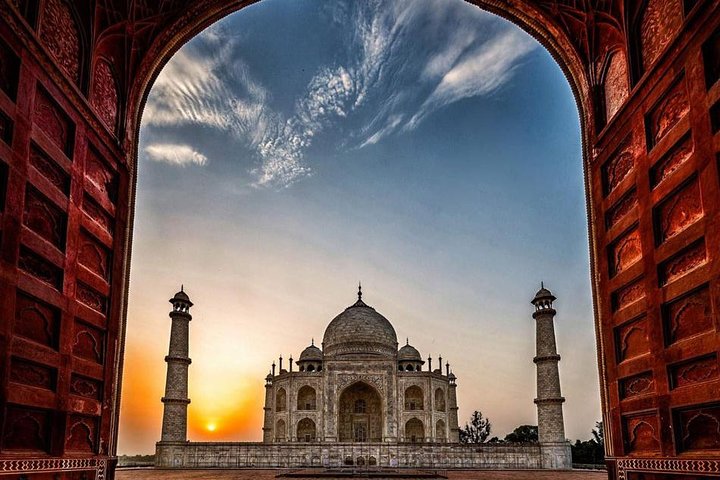
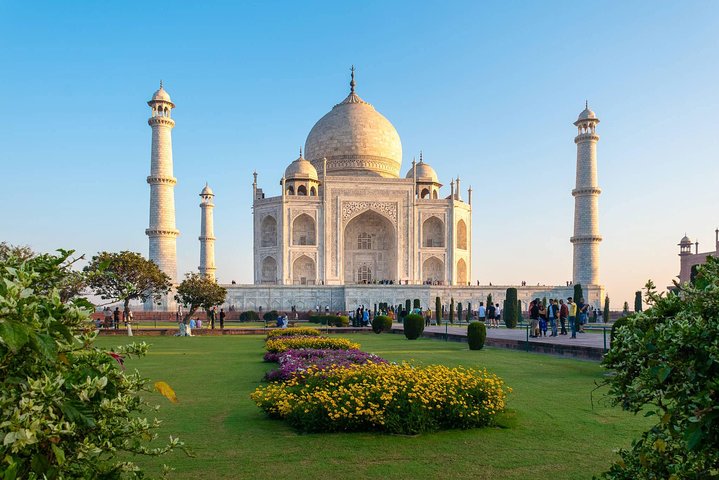
Upon arriving in Agra, the sight of the Taj Mahal took my breath away. This UNESCO World Heritage Site, with its gleaming white marble and intricate carvings, is a testament to the artistic genius of the Mughal era. As I wandered through the lush gardens and marveled at the stunning interiors, I was struck by the timeless beauty of this monument.
Pappu’s insights into the history and legends surrounding the Taj Mahal enriched my experience. He shared stories of Emperor Shah Jahan’s love for his wife Mumtaz Mahal, for whom the mausoleum was built, and the architectural innovations that make the Taj Mahal a wonder of the world.
As I stood in awe of this magnificent structure, I couldn’t help but think about the importance of preserving such cultural treasures for future generations. Sustainable tourism practices, such as supporting local artisans and choosing eco-friendly accommodations, play a crucial role in ensuring that the beauty of the Taj Mahal endures.
Exploring Agra’s Mughal Heritage
After the Taj Mahal, Pappu suggested a visit to the Agra Fort, another UNESCO World Heritage Site. This massive red sandstone fort, with its impressive architecture and rich history, offered a fascinating glimpse into the life of the Mughal emperors. As I explored its sprawling courtyards and grand halls, I was transported back in time to an era of opulence and power.
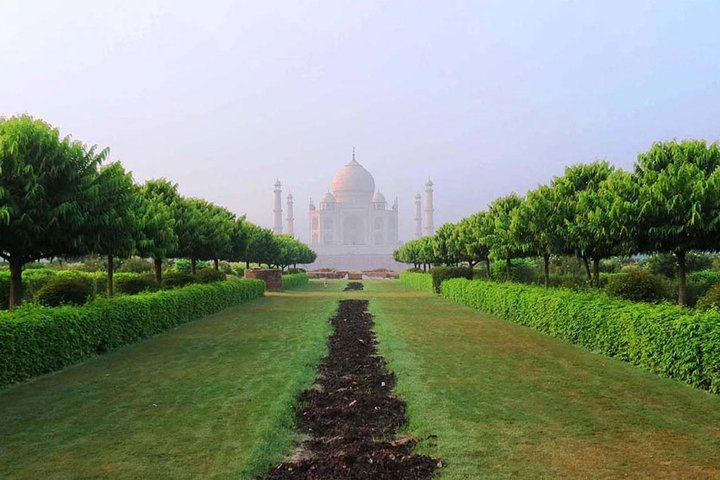
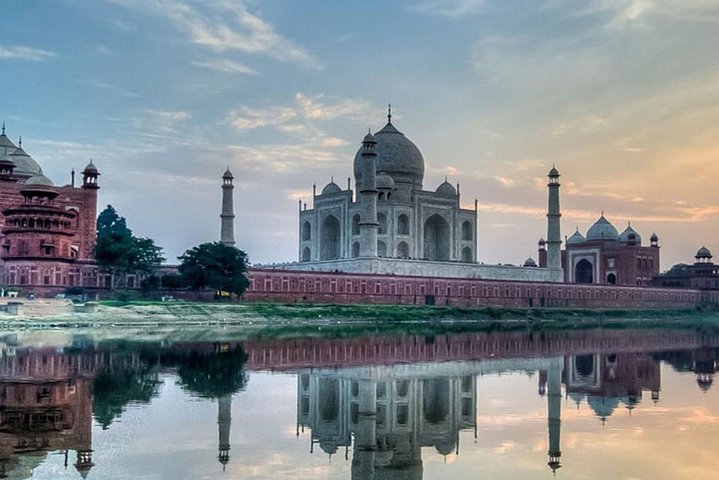
Next, we visited Mehtab Bagh, a serene garden on the banks of the Yamuna River. The garden’s alignment with the Taj Mahal provided a perfect vantage point for viewing the monument in all its glory. The tranquility of Mehtab Bagh was a welcome respite from the bustling city, and I took a moment to appreciate the natural beauty that surrounds Agra.
Our final stop was the Tomb of I’timad-ud-Daulah, often referred to as the “Baby Taj.” This exquisite mausoleum, with its delicate marble inlay work, is a precursor to the grandeur of the Taj Mahal. As I admired its intricate designs, I was reminded of the importance of preserving such architectural gems through responsible tourism.
Reflecting on my journey, I realized that my experience in Agra was not just about exploring historical sites, but also about embracing a more sustainable way of travel. By choosing eco-friendly options and supporting local communities, we can ensure that the wonders of Agra remain for generations to come. I left with a renewed commitment to promoting sustainable tourism and a deep appreciation for the rich cultural heritage of this remarkable city.