Embark on a small group tour from Beirut to explore the vibrant cities of Batroun and Tripoli. Immerse yourself in the rich history and culture of Lebanon, with fascinating commentary and a delicious Lebanese lunch included.
Embark on a small group tour from Beirut to explore the vibrant cities of Batroun and Tripoli. Immerse yourself in the rich history and culture of Lebanon, with fascinating commentary and a delicious Lebanese lunch included.
- Tripoli - Known in Arabic as Ṭarābulus, Tripoli is a city and port located in northwestern Lebanon. Positioned on the Mediterranean coast at the mouth of the Abu Ali River, it is situated 50 miles (80 km) north-northeast of Beirut. Tripoli is an ancient city dating back to the Phoenician era and is among Lebanon’s oldest cities, alongside Byblos,…
- Tripoli - Known in Arabic as Ṭarābulus, Tripoli is a city and port located in northwestern Lebanon. Positioned on the Mediterranean coast at the mouth of the Abu Ali River, it is situated 50 miles (80 km) north-northeast of Beirut. Tripoli is an ancient city dating back to the Phoenician era and is among Lebanon’s oldest cities, alongside Byblos, Tyre, and Sidon. The city boasts 45 buildings, many from the 14th century, registered as historical sites. Twelve mosques from the Mamluke and Ottoman periods have been preserved. Secular structures include the “hammam” or bathing-house, the souks, and the “khans,” which form a hub of various trades.
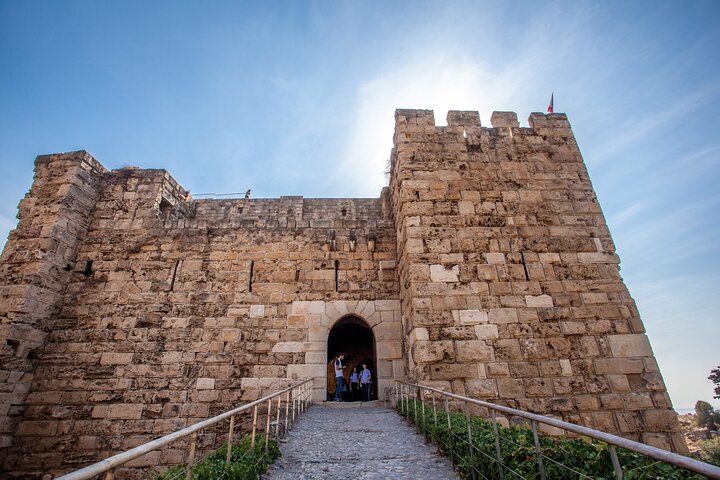
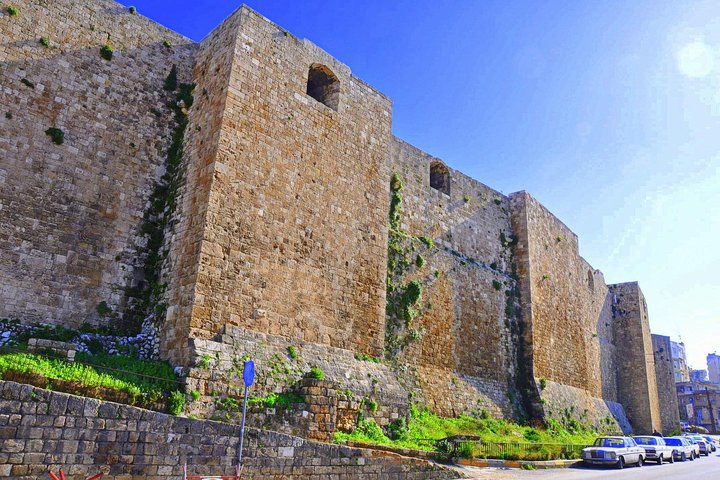
- Citadel Saint Gilles (Qal’at Sinjil) - Overlooking the city of Tripoli is the impressive Citadel of Tripoli, known as Qal’at Sinjil (Saint Gilles), which has undergone numerous renovations and changes throughout its history. Today, the castle features an octagonal Fatimid construction converted into a church by the Crusaders, several Crusader structures from the 12th-13th centuries, numerous 14th-century Mamluke additions, and modifications made by the Ottomans in the 16th century. The current state of this vast fortress (140 meters long and 70 meters wide) is largely due to extensive restoration work by Mustafa Barbar Agha, the governor of Tripoli in the early 19th century.
- The Great Mosque - Initiated in 1294 and completed in 1315, the Great Mosque, or Al Mansouri Mosque, was constructed on the ruins of the 12th-century Crusader cathedral of St. Mary of the Tower. Its expansive courtyard is encircled by a vaulted prayer hall. Inside, elements of Western architecture from the old church are still visible, including the northern entrance and the Lombard-style bell tower, which was transformed into the minaret. The numerous foundation plaques and decrees inscribed in the Great Mosque not only provide information about the building but also offer insights into the daily life of the Mamluke period.
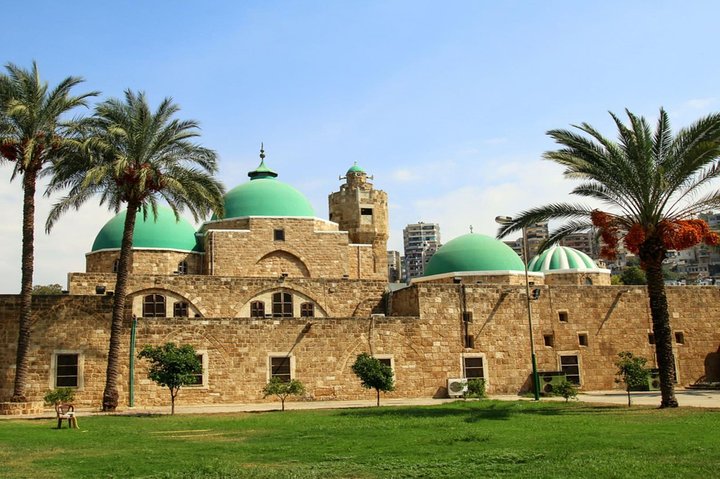
- Taynal Mosque - The Taynal Mosque, an important religious site, was built in 1336 by Saif Ed-Dine Taynâl on the site of a ruined Crusader church. The adjoining domed mausoleum contains the tomb of the founder. Some elements of the original structure were reused in the mosque, such as the two rows of granite columns with late Roman capitals, which stand in the middle of the first prayer hall. The entrance to the second prayer hall is a unique example of architectural decoration in Tripoli during the Mamluke era.
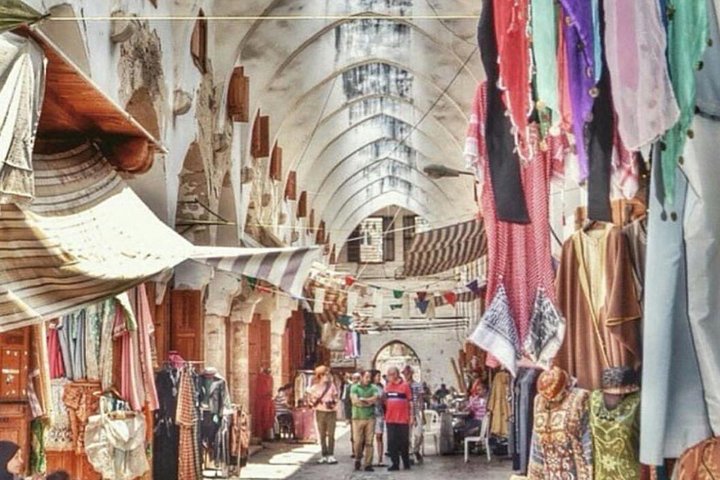
- Souk Al-Harajb - The souks of Tripoli are enchanting, offering visitors a chance to step into a vibrant and colorful world and gain insight into centuries-old traditions. Wandering through the souks with their lively passageways and hidden alleys, filled with a multitude of smells, sounds, and colors, is like entering a theater brimming with fascinating characters, props, and stories. Tripoli boasts nine souks in total: Attareen, Bazerkan, Haddadin, Haraj, Kameh, Koundarjiyeh, Nahhasin, Samak, and Sayyaghin. In addition to the food souk, which offers a variety of fresh produce, meat, fish, and more.
- Khan Al-Khayyatin - Part of the Tripoli Souks, the Khayyatin Khan is a long rectangular building measuring approximately 40 by 80 meters, featuring a covered central courtyard and shops on either side. As the name Khan al Khayyatin suggests, the khan has housed and continues to house tailors and related trades such as needles, thread, and sewing machines.
- Tripoli Soap Factory Khan el masriyen - The Khan As Sabon (Soap Khan) was constructed at the beginning of the seventeenth century. Initially intended to serve as a military barracks for Ottoman troops, it was strategically built in the city center to enable the pasha to control any uprising. It is a large rectangular structure with two-story arcaded corridors surrounding a fountain courtyard.
- Hammam Al Jadid - Hammam El-Abed is the only operational hammam in Tripoli, likely built at the end of the 17th century. It features the typical pierced domes of Mamluke and Ottoman-era public baths. The interior, with its cushions, central fountain, and traditional fittings, serves as a living museum.
- Ezzeddine Hammam - Hammam Izzed-dine, a public bathing house, was gifted to the city of Tripoli by its Mamluke governor ‘Izz ed-Dîne Aybak. The governor, who passed away in 1298, is interred in a mausoleum beside the hammam. The Hammam ‘Izz ed-Dîne was in continuous use until recently and is currently undergoing restoration.
- Hallab 1881 - Since 1881, originating from Tripoli, Abdul Rahman Hallab has been a trailblazer in the realm of Lebanese sweets. Today, “Kasr El Helou” is regarded as one of Tripoli’s most famous landmarks, attracting thousands of visitors from around the world.
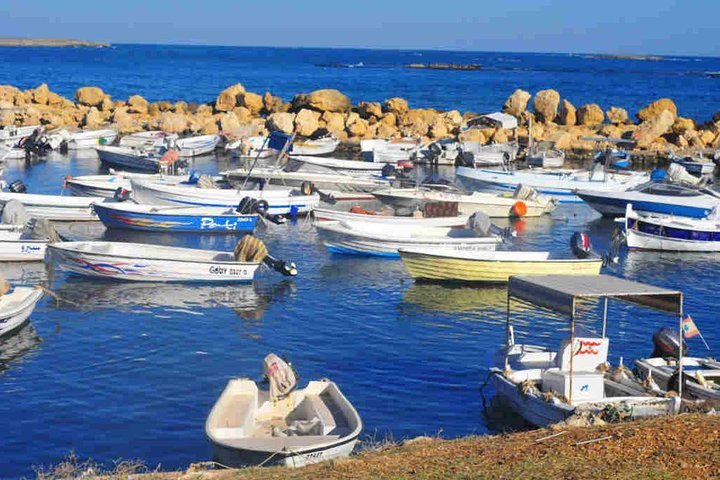
- El Mina Port - Al-Mina is a coastal town in Tripoli, occupying the site of the ancient Phoenician city of Tripoli and serving as the harbor city for modern neighboring Tripoli. It features nine islands, four of which have been designated as natural reserves to support fish breeding and preserve their natural habitat.
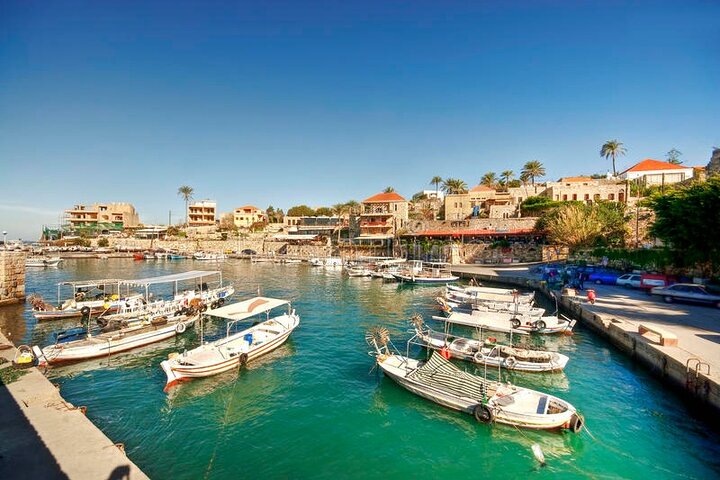
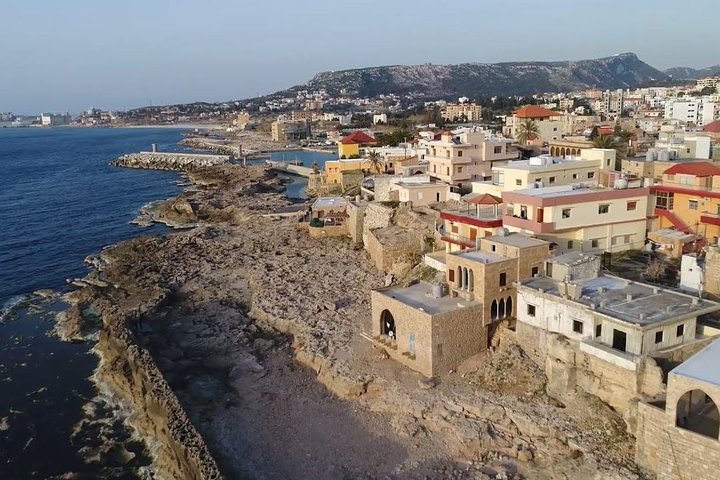
- Batroun - Batroun is among the world’s oldest cities. Situated along the Mediterranean coast in northern Lebanon, this city is renowned for its ancient castles and churches, high-quality citrus fruits, beaches, and modern nightlife. Batroun was a Phoenician metropolis established over three millennia ago.
- Phoenician Wall - The ancient Phoenician sea wall was initially a natural formation composed of petrified sand dunes. The Phoenicians gradually reinforced it with rocks, and the wall as it stands today took its current form in the first century BC. The Phoenicians used this wall for protection against sea storms and invaders, while during Roman times, it also served as a quarry. The wall is 225 meters long and 1 to 1.5 meters thick. Although parts of it have crumbled, what remains still stands as a bulwark against the sea for the residents of the ancient city.
- Lunch at a local restaurant
- In-vehicle air conditioning
- Hotel Pickup and Drop off
- Professional Guide
- Lunch at a local restaurant
- In-vehicle air conditioning
- Hotel Pickup and Drop off
- Professional Guide
- Gratuities
- Gratuities
Discover the fascinating history and lively culture of Batroun and Tripoli on an intimate group tour starting from Beirut. Enjoy the opportunity to explore both cities in one day, with engaging commentary that reveals the hidden stories of each destination. Leave behind the stress of driving and planning as you join this guided adventure. This…
Discover the fascinating history and lively culture of Batroun and Tripoli on an intimate group tour starting from Beirut. Enjoy the opportunity to explore both cities in one day, with engaging commentary that reveals the hidden stories of each destination. Leave behind the stress of driving and planning as you join this guided adventure. This comprehensive full-day tour of Lebanon covers all entrance fees and includes a delicious Lebanese lunch, ensuring a fulfilling and enriching experience.
For a full refund, cancel at least 24 hours before the scheduled departure time.
For a full refund, cancel at least 24 hours before the scheduled departure time.