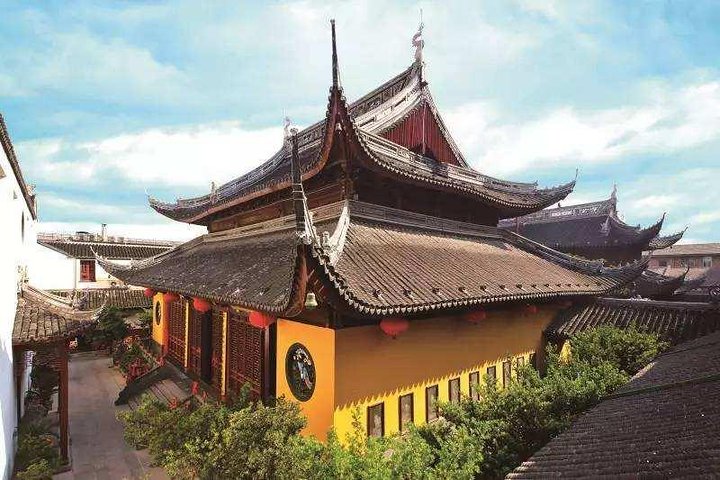
Exploring Shanghai’s Timeless Charm: A Journey Through Iconic Landmarks
Join me as I explore the captivating blend of history and modernity on a private tour of Shanghai’s iconic landmarks. From the architectural marvels of the Bund to the serene beauty of Yu Garden, this journey offers a deep dive into the city’s rich cultural tapestry.


A Stroll Through Time: The Bund
As I embarked on the Shanghai Landmarks Tour, I was immediately drawn into the vibrant tapestry of Shanghai’s history and modernity. Our journey began at the iconic Bund, a waterfront stretch that perfectly encapsulates the city’s dual identity. The Bund is a living museum of architectural styles, with 26 buildings that range from Gothic to Baroque, each narrating a chapter of Shanghai’s storied past. As I stood there, gazing across the Huangpu River at the futuristic skyline of Pudong, I couldn’t help but reflect on the seamless blend of old and new that defines this city.
The Bund is more than just a collection of buildings; it’s a symbol of Shanghai’s evolution from a colonial outpost to a global metropolis. Walking along the promenade, I felt the pulse of the city, a rhythm that has been shaped by centuries of trade, culture, and innovation. The Peace Hotel, with its Art Deco elegance, and the neoclassical grandeur of the Shanghai Customs House, stood as proud reminders of the city’s cosmopolitan heritage. It was a moment of mindfulness, a chance to appreciate the intricate dance of history and progress that is uniquely Shanghai.
Serenity in the Heart of the City: Yu Garden
Leaving the bustling Bund behind, our next stop was the tranquil Yu Garden, a verdant oasis nestled in the heart of Shanghai’s Old Town. Built during the Ming Dynasty, Yu Garden is a masterpiece of classical Chinese garden design, with its pavilions, rockeries, and koi-filled ponds offering a serene escape from the urban hustle. As I wandered through its six distinct areas, each with its own unique charm, I was reminded of the importance of harmony and balance in Chinese culture.
The garden’s intricate design is a testament to the artistry and philosophy of its creators, who sought to create a space that embodies the natural world in miniature. The delicate balance of water, stone, and plant life is a reflection of the Daoist principles that have shaped Chinese aesthetics for centuries. As I paused to admire the exquisite craftsmanship of the Dragon Wall, I felt a deep connection to the cultural heritage that has been preserved within these walls. It was a moment of reflection, a chance to immerse myself in the timeless beauty of traditional Chinese art and architecture.
A Fusion of Cultures: Xintiandi and Beyond
Our journey continued to Xintiandi, a vibrant district that epitomizes the fusion of Eastern and Western influences that define modern Shanghai. Here, the historic Shikumen houses, with their distinctive stone gate architecture, stand alongside sleek modern buildings, creating a dynamic contrast that is both visually striking and culturally significant. As I strolled through the cobblestone streets, I was captivated by the lively atmosphere, a blend of old-world charm and contemporary flair.
Xintiandi is more than just a tourist attraction; it’s a living testament to Shanghai’s ability to embrace change while honoring its past. The district’s cafes, boutiques, and galleries offer a glimpse into the city’s creative spirit, a testament to its status as a cultural crossroads. As I sipped tea in a quaint cafe, I reflected on the journey that had brought me here, a journey that had taken me from the historic grandeur of the Bund to the serene beauty of Yu Garden, and finally to the vibrant energy of Xintiandi. It was a journey of discovery, a chance to experience the rich tapestry of Shanghai’s cultural heritage and its dynamic present.