Exploring Kamakura: A Spiritual and Coastal Odyssey
Drawn by the allure of Kamakura’s spiritual and historical significance, I embarked on a journey to explore its ancient temples, majestic Buddha, and serene beaches. Guided by the knowledgeable Yu Kameda, I discovered the rich tapestry of stories and traditions that make Kamakura a must-visit destination.


A Journey Through Time: Kamakura’s Spiritual Heart
As I stepped off the train at Kita-Kamakura Station, the crisp air of the coastal city greeted me with a gentle embrace. Kamakura, once the political heart of Japan, now stands as a serene testament to its rich history and spiritual depth. My guide for the day, Yu Kameda, awaited with a warm smile, ready to lead me through a tapestry of temples, shrines, and stories that have shaped this enchanting city.
Our first stop was the Jochiji Temple, a tranquil Zen sanctuary nestled amidst lush greenery. Built in 1281, the temple exudes a sense of peace that invites introspection. As we strolled through the grounds, Yu shared tales of the Kamakura Shogunate and the temple’s origins, painting a vivid picture of a time when samurai roamed these lands. The highlight was the statue of Hotei, the laughing Buddha, whose belly I rubbed for good fortune, a tradition that resonated with my own cultural explorations.
The Majestic Great Buddha and Hidden Shrines
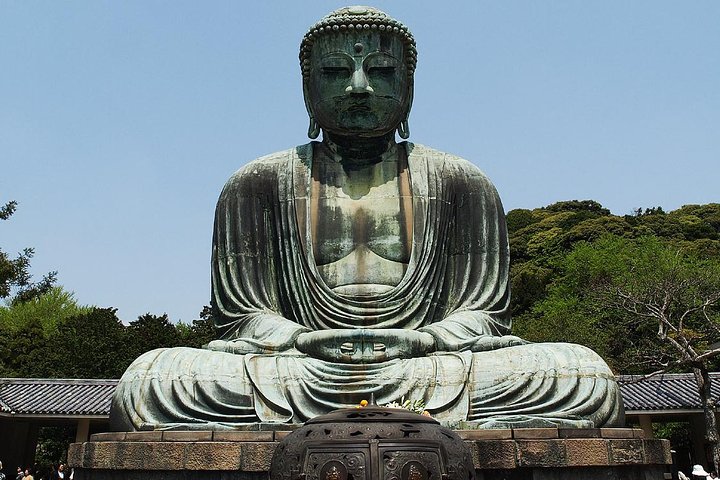
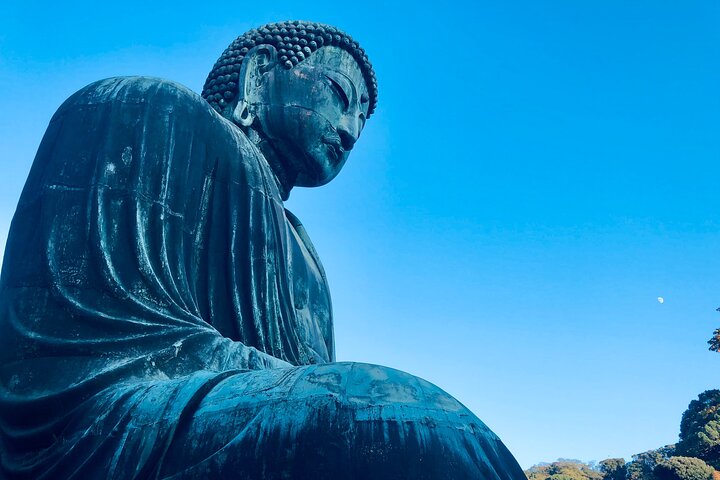
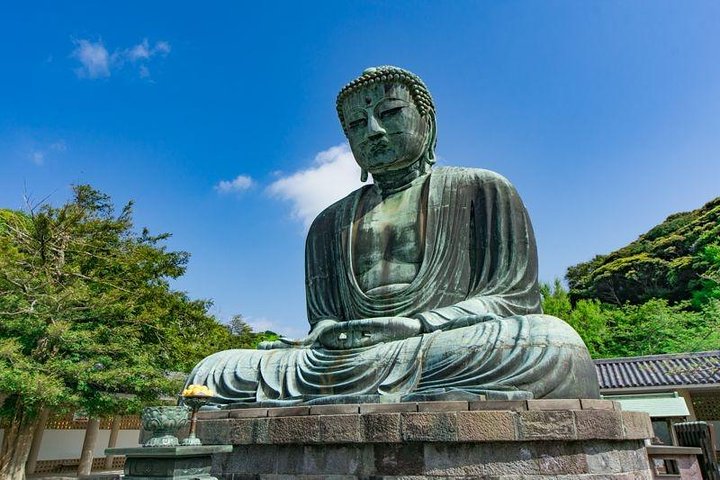
Continuing our journey, we ventured along the Daibutsu Hiking Course, a path that meanders through the mountains, offering glimpses of Kamakura’s natural beauty. The trail led us to the awe-inspiring Kotoku-in, home to the Great Buddha of Kamakura. Standing at 13.35 meters, this bronze statue is a marvel of ancient craftsmanship. Yu’s insights into the statue’s history and its significance in Japanese Buddhism enriched my understanding of the spiritual landscape.
Our exploration took a mystical turn as we arrived at the Ugafuku Shrine, known for its unique ritual of money washing. The scent of incense filled the air as we entered the shrine, where visitors cleanse their money in a natural spring, hoping for prosperity. This blend of Shinto and Buddhist practices was a fascinating reflection of Japan’s spiritual syncretism, a theme that often emerges in my cultural studies.
Embracing the Ocean’s Embrace at Yuigahama Beach
As the day drew to a close, we made our way to Yuigahama Beach, where the sun cast a golden hue over the ocean. The rhythmic sound of waves provided a soothing backdrop as I reflected on the day’s experiences. Kamakura’s beaches are a beloved escape for locals, and it was easy to see why. The serene beauty of the coastline offered a perfect contrast to the historical richness of the temples and shrines.
Before parting ways, Yu ensured I had my return train tickets and even shared recommendations for exploring Tokyo further. Her guidance and knowledge had transformed my visit into a deeply enriching experience, one that I will carry with me as I continue to explore the cultural tapestry of Asia. Kamakura, with its blend of history, spirituality, and natural beauty, is a destination that beckons to be revisited, and I eagerly anticipate my return.