Discovering Zen: A Day in Kamakura’s Spiritual Heart
Seeking a tranquil escape from Tokyo’s bustling energy, I embarked on the Kamakura Walking Tour. Join me as I explore the Great Buddha, serene bamboo groves, and vibrant cultural streets, guided by the insightful Brad.




A Journey Through Time: The Great Buddha and Beyond
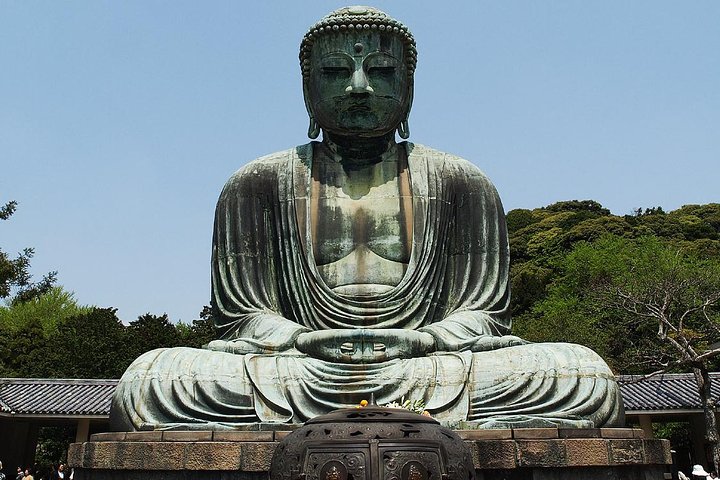
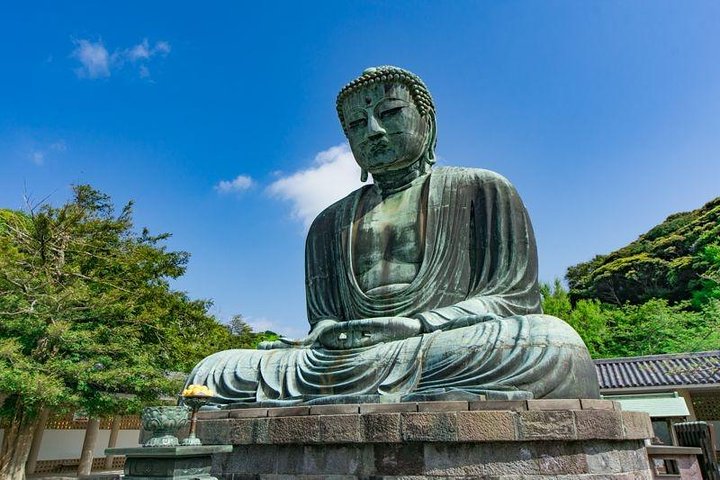
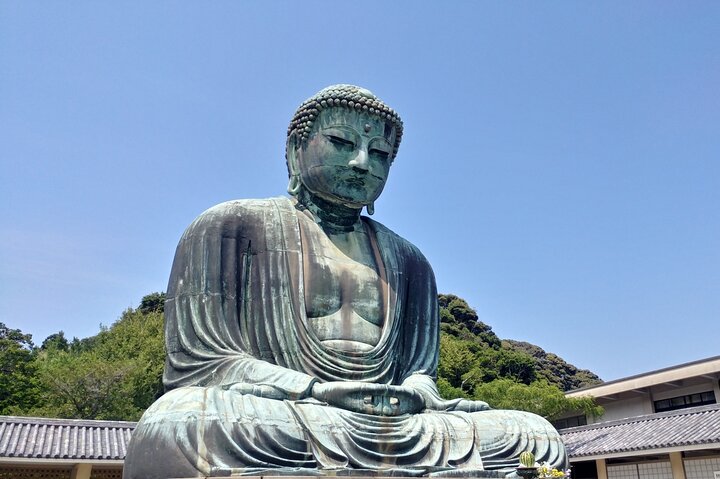
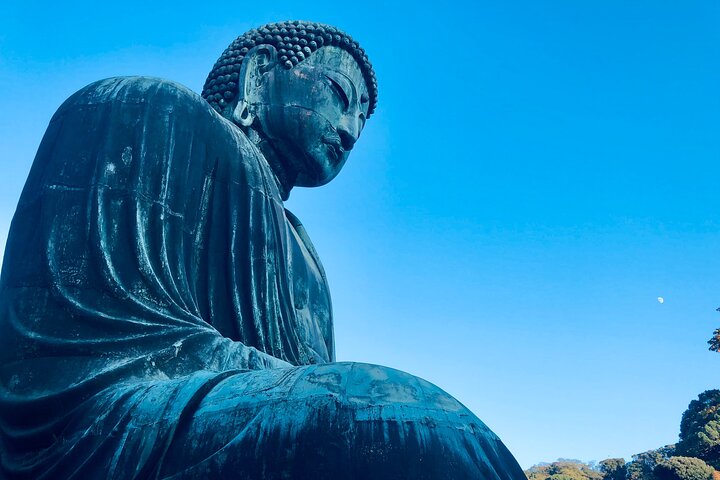
As I embarked on the Kamakura Walking Tour, I was immediately struck by the serene atmosphere that enveloped the coastal town. The first stop was the iconic Kotoku-in, home to the Great Buddha of Kamakura. Standing before the majestic 13.35-meter bronze statue, I felt a profound sense of peace and reverence. The statue, originally carved in wood and later cast in bronze during the 13th century, is a testament to the enduring spirit of Japanese craftsmanship. As I entered the interior of the statue, I was reminded of the intricate balance between strength and tranquility that defines Zen philosophy.
Our guide, Brad, was a wealth of knowledge, sharing insights into the history and significance of the Great Buddha. His passion for Japanese culture was infectious, and I found myself captivated by his stories of samurai history and the evolution of Zen Buddhism. The experience was not just a visual feast but a spiritual journey that left me with a deeper appreciation for the cultural tapestry of Japan.
Embracing Nature: The Bamboo Temple
The next leg of our journey took us to the Hokoku-ji Temple, affectionately known as the Bamboo Temple. As we entered the temple grounds, I was enveloped by the soothing rustle of 2,000 moso bamboo plants swaying gently in the breeze. The temple, founded in 1334, is a sanctuary of tranquility, offering a respite from the hustle and bustle of modern life.
Sipping authentic matcha green tea in a teahouse overlooking the bamboo grove was a moment of pure bliss. The subtle flavors of the tea complemented the serene surroundings, creating a harmonious blend of taste and tranquility. As I listened to the wind whispering through the bamboo, I felt a deep connection to nature and the Zen principles of mindfulness and simplicity.
Brad’s thoughtful guidance allowed us to fully immerse ourselves in the experience, and his stories of the temple’s history added depth to our visit. The combination of natural beauty and cultural richness made the Bamboo Temple a highlight of the tour, leaving me with a sense of renewal and inner peace.
A Cultural Tapestry: Komachi Street and Tsurugaoka Hachimangu Shrine
Our final destination was the bustling Komachi Street, a vibrant hub of local culture and cuisine. As we strolled through the lively street, I was delighted by the array of dining options and unique shops offering everything from traditional ceramics to personalized chopsticks. The street was a sensory delight, with the aroma of freshly cooked street food mingling with the sounds of laughter and conversation.
The tour culminated at the Tsurugaoka Hachimangu Shrine, the most important Shinto shrine in Kamakura. As we approached the shrine, we passed under the iconic red torii gates and crossed a small bridge over a tranquil canal. The shrine, dedicated to the deity Hachiman, is a place of spiritual significance and a testament to the enduring legacy of Shinto traditions.
Climbing the Great Stone Steps to the main hall, I was rewarded with a breathtaking panoramic view of Kamakura. The experience was a fitting conclusion to a day filled with cultural exploration and personal reflection. As I made my way back to the station, I carried with me a newfound appreciation for the rich cultural heritage of Japan and the timeless wisdom of Zen.