Exploring Japan’s Cultural Tapestry: A Private Tour of Kamakura and Yokohama
Embarking on a private car tour of Kamakura and Yokohama, I was eager to explore the rich cultural tapestry of these iconic Japanese cities. From the ancient temples of Kamakura to the vibrant streets of Yokohama, this journey promised a unique blend of history, tradition, and modernity.


A Journey Through Time: Kamakura’s Ancient Wonders
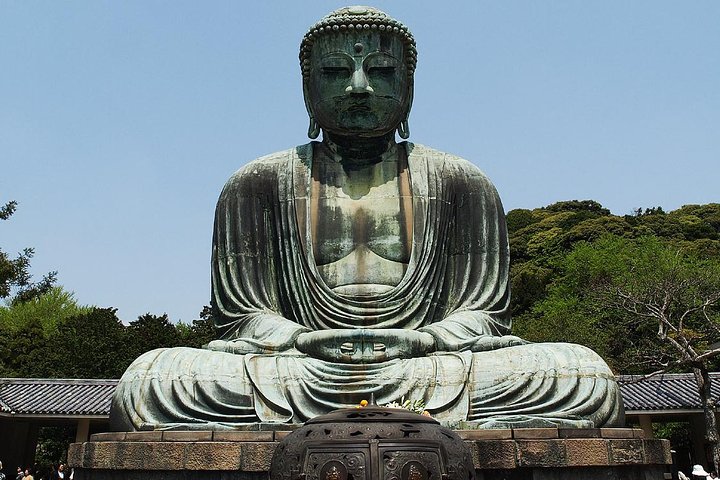
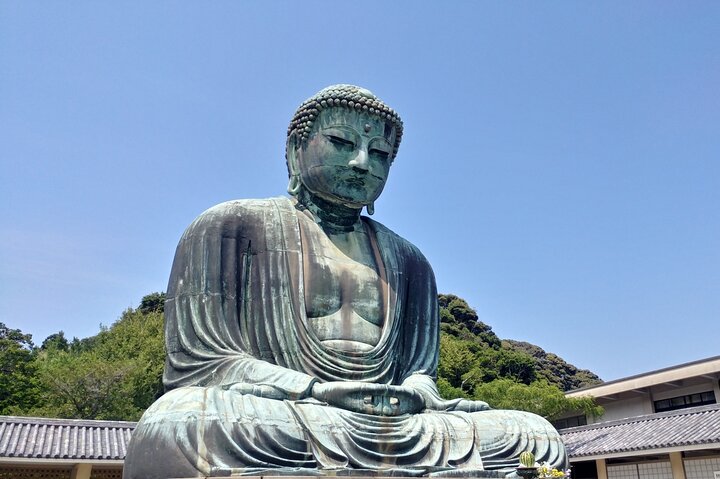
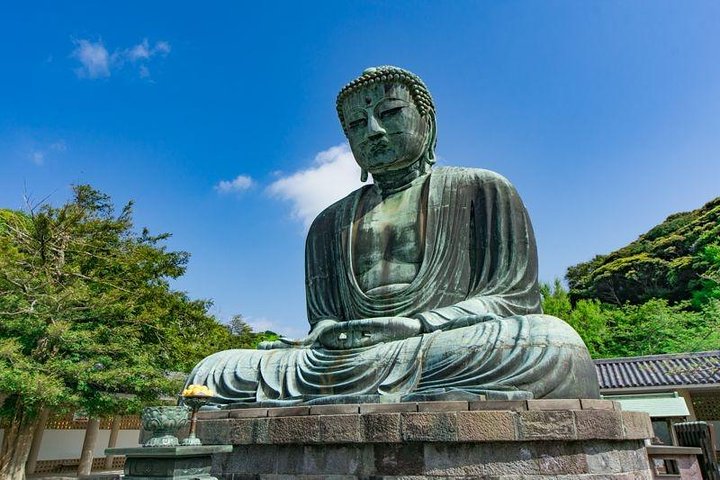
As I embarked on the Private Car Tour of Kamakura and Yokohama, I was filled with anticipation. Kamakura, the ancient capital, is a place where history whispers through the leaves of its sacred trees and the stones of its revered temples. Our first stop was the iconic Kotoku-in, home to the Great Buddha of Kamakura. Standing at 13.5 meters, this bronze statue of Amida Buddha is a national treasure, and its serene presence is a testament to the spiritual depth of the region.
Walking through the tranquil grounds of Hokokuji Temple, I was enveloped by the lush bamboo grove. The gentle rustle of bamboo leaves and the delicate aroma of matcha tea created a meditative atmosphere. Here, I took a moment to reflect on the harmony between nature and spirituality that defines Japanese culture. The temple’s teahouse offered a perfect spot to savor a cup of matcha while contemplating the beauty of the bamboo garden.
The Tsurugaoka Hachimangu Shrine, dedicated to the god of war and the samurai, was our next destination. As I wandered through the shrine’s grounds, I was struck by the vibrant energy of the place, a popular site for weddings and festivals. The shrine’s architecture and the surrounding cherry blossoms painted a picture of timeless elegance, a reminder of Japan’s rich cultural tapestry.
Yokohama: A Fusion of East and West
Leaving Kamakura, we journeyed to Yokohama, a city where Eastern and Western cultures converge. Our guide, a local expert, tailored the itinerary to include hidden gems and local favorites. The Yokohama Minato Mirai 21 area, with its futuristic skyline, offered a stark contrast to the historical sites of Kamakura. Here, the Landmark Tower stood tall, a symbol of modernity and progress.
A visit to the Cup Noodles Museum was a delightful surprise. As someone who appreciates the nuances of culinary traditions, I found the story of instant noodles fascinating. The museum offered an interactive experience, allowing visitors to create their own unique cup of noodles. It was a playful nod to the innovation and creativity that drive Japanese culture.
Lunch in Yokohama’s Chinatown was a feast for the senses. The vibrant streets, filled with the aroma of exotic spices and the chatter of locals, transported me to another world. Our guide’s ability to find a restaurant amidst the bustling crowds was impressive, and the meal was a delicious fusion of flavors that reflected the multicultural essence of Yokohama.
Enoshima Island: Nature’s Serenity
Our final stop was Enoshima Island, a charming escape from the urban hustle. The island’s natural beauty, with its lush gardens and panoramic views of Mount Fuji, offered a serene retreat. As I explored the island’s attractions, from the shrine to the observation tower, I was reminded of the delicate balance between tradition and modernity that defines Japan.
The journey through Kamakura and Yokohama was a profound experience, a tapestry of history, culture, and nature. Each stop offered a unique glimpse into the soul of Japan, a country where the past and present coexist in harmony. This Private Car Tour was more than just a sightseeing trip; it was an invitation to immerse oneself in the rich cultural heritage of a nation that continues to inspire and captivate.