Unveiling the Spiritual Majesty of Abu Simbel: A Pilgrimage to the Past
Drawn by the allure of ancient Egyptian engineering and spirituality, I embarked on a journey to the Abu Simbel Temple. This pilgrimage promised not only a glimpse into the past but a deeper connection to the spiritual essence of the ancient world.


A Journey Through Time: The Majestic Abu Simbel
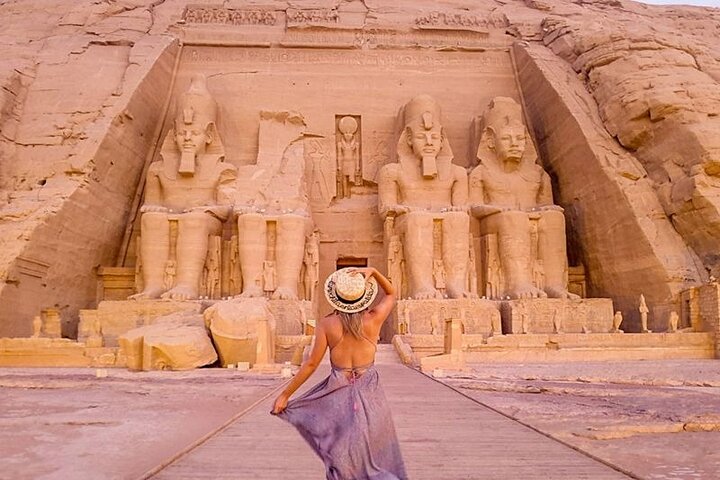
As I stood before the towering statues of Pharaoh Ramses II at the Abu Simbel Temple, I felt a profound connection to the ancient world. The colossal figures, carved with such precision and grandeur, seemed to whisper stories of a time long past. This UNESCO World Heritage Site, nestled on the western bank of Lake Nasser, is not just a testament to ancient Egyptian engineering but a spiritual pilgrimage that transcends time.
The journey to Abu Simbel is a pilgrimage in itself. Traveling through the vast desert landscape of southern Egypt, I was reminded of the many spiritual journeys I have undertaken across the Middle East. Each journey, whether to Mecca, Jerusalem, or Petra, has enriched my understanding of history and spirituality. Abu Simbel was no different. As I approached the temple complex, the anticipation of witnessing such a monumental piece of history was palpable.
The temples, carved directly into the mountainside during the reign of Ramses II, are a marvel of ancient engineering. The main temple’s façade, with its four colossal statues of the pharaoh, stands as a testament to the power and influence of Ramses II. The smaller figures of his wife, Nefertari, and their children, carved at his feet, add a personal touch to this grand display of power.
The Spiritual Resonance of Abu Simbel
Walking through the temple, I was struck by the intricate carvings and the stories they told. The walls of the Great Temple are adorned with scenes of Ramses II’s heroic leadership at the Battle of Kadesh, a reminder of the pharaoh’s military prowess. But beyond the historical significance, there was a spiritual resonance that permeated the air.
The alignment of the temple with the sun, allowing sunlight to illuminate the inner sanctum twice a year, is a testament to the ancient Egyptians’ understanding of astronomy and their spiritual connection to the cosmos. Standing in the inner sanctum, I felt a deep sense of awe and reverence, as if I were in the presence of the divine.
This spiritual connection is what draws me to places like Abu Simbel. As a scholar of Islamic studies, I have always been fascinated by the ways in which different cultures express their spirituality. The ancient Egyptians, with their intricate rituals and deep connection to the natural world, offer a unique perspective on the divine.
Reflections on a Spiritual Pilgrimage
As I left Abu Simbel, I couldn’t help but reflect on the journey I had just undertaken. This was more than just a visit to a historical site; it was a spiritual pilgrimage that deepened my understanding of the ancient world and my own spiritual journey.
Traveling to places like Abu Simbel is not just about seeing the sights; it’s about connecting with the past and finding meaning in the stories of those who came before us. It’s about understanding the spiritual connections that bind us all, regardless of time or place.
For those seeking a deeper understanding of history and spirituality, I highly recommend embarking on a journey to Abu Simbel. This ancient engineering marvel offers a unique opportunity to connect with the past and enrich your own spiritual journey. Explore Abu Simbel