Sailing the Sacred Nile: A Spiritual Journey from Aswan to Luxor
Embark on a spiritual voyage along the Nile, exploring the ancient temples of Egypt from Aswan to Luxor. Discover the profound connections between history, faith, and the enduring legacy of a civilization that continues to inspire.


Setting Sail on the Sacred Nile
As the sun began its ascent over the horizon, casting a golden hue across the tranquil waters of the Nile, I found myself embarking on a journey that promised not just a passage through Egypt’s ancient landscapes, but a spiritual voyage through time. The Nile Cruise was more than just a cruise; it was a pilgrimage to the heart of a civilization that has long fascinated scholars and travelers alike.
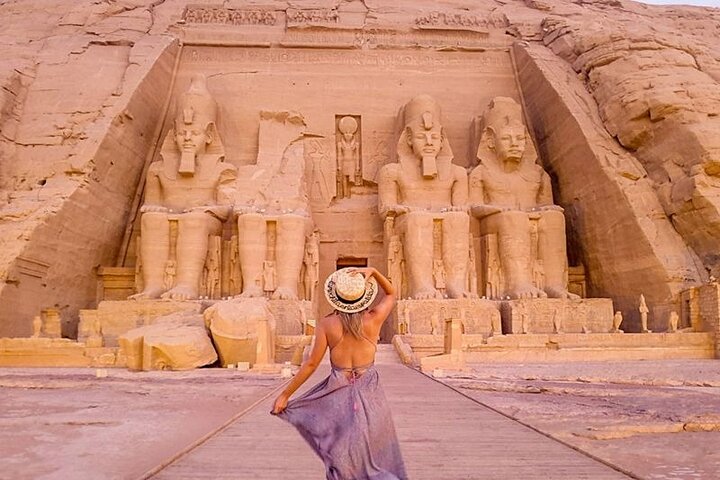
Our journey commenced in Aswan, a city that has been a gateway to Africa for millennia. The anticipation was palpable as we boarded the cruise, greeted by the warm smiles of the crew and the promise of an enriching experience. The first stop was the awe-inspiring Abu Simbel, a testament to the grandeur of Ramses II. Standing before the colossal statues, I was reminded of the enduring legacy of human ambition and the divine inspiration that fueled it. The intricate carvings and the sheer scale of the temple were a humbling reminder of the spiritual devotion that has shaped Egypt’s history.
A Journey Through Time and Faith
As we sailed northward, the Nile’s gentle currents seemed to carry us not just through space, but through time itself. Each temple we visited was a chapter in the story of Egypt’s spiritual evolution. The Temple of Kom Ombo, with its dual dedication to Sobek and Horus, spoke of a time when gods walked among men, guiding their destinies and shaping their beliefs. The intricate carvings told tales of creation and destruction, of life and death, echoing the eternal cycle that governs all existence.
The journey to Edfu was a highlight, not just for the magnificent Temple of Horus, but for the traditional horse-drawn carriage ride that transported us back to an era where the pace of life was dictated by the rhythm of nature. As we explored the temple’s sanctuaries and halls, I was struck by the sense of continuity that pervades Egypt’s spiritual landscape. Here, the falcon god Horus stood as a guardian of the skies, a symbol of protection and divine justice.
The Eternal City of Luxor
Our final destination was Luxor, a city that has been a beacon of spiritual and cultural enlightenment for centuries. The Valley of the Kings, with its hidden tombs and vivid murals, offered a glimpse into the afterlife beliefs of ancient Egyptians. Each tomb was a testament to the pharaohs’ quest for immortality, a journey that transcended the physical realm and ventured into the spiritual.
The Temple of Hatshepsut, nestled against the cliffs of Deir el-Bahari, was a celebration of one of Egypt’s most iconic female pharaohs. Her reign was marked by prosperity and architectural brilliance, and her temple stands as a testament to her enduring legacy. As I wandered through its terraces and colonnades, I felt a profound connection to the past, a reminder of the timeless nature of human aspiration.
The journey concluded at the majestic Karnak and Luxor Temples, where the grandeur of ancient architecture met the serenity of the Nile. As I stood among the towering columns and gazed upon the sacred lake, I was filled with a sense of awe and reverence for the spiritual journey I had undertaken. This cruise was not just a passage through Egypt’s ancient sites; it was a pilgrimage that enriched my understanding of the spiritual and cultural tapestry that defines this remarkable land.