Abu Simbel: A Spiritual Sojourn to Egypt’s Timeless Temples
Embark on a spiritual journey to the ancient temples of Abu Simbel, where history and spirituality intertwine. Discover the profound connections to the past and the enduring legacy of Ramses II and Queen Nefertari.


A Journey Through Time: The Flight to Abu Simbel
The morning sun had barely begun its ascent when I found myself boarding a plane in Aswan, bound for the ancient marvels of Abu Simbel. The anticipation of witnessing the grandeur of the rock-cut temples, nestled on the shores of Lake Nasser, filled me with a sense of reverence. As the plane soared above the Nile, I couldn’t help but reflect on the historical significance of this journey. The temples of Ramses II and Queen Nefertari, once buried beneath the sands, now stood as a testament to human ingenuity and the enduring spirit of preservation.
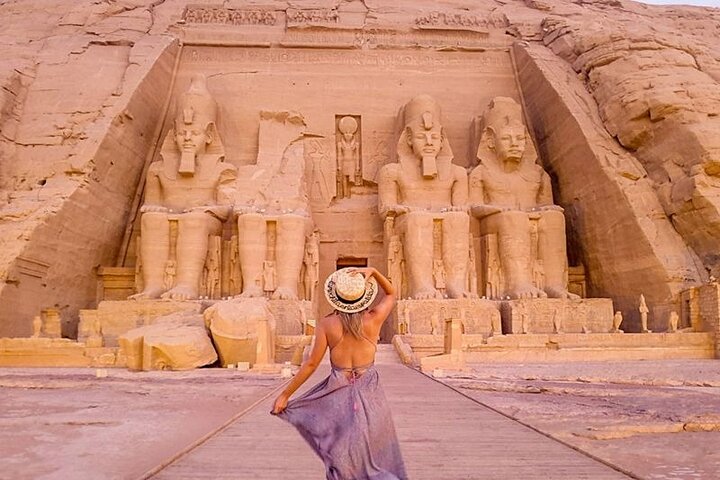
Upon landing, I was greeted by Mufasa, a knowledgeable guide whose passion for Egypt’s history was palpable. His insights into the temples’ history and significance enriched my understanding of the site. As we approached the colossal statues of Ramses II, I was struck by their imposing presence, a reminder of the pharaoh’s power and legacy. The intricate carvings and hieroglyphs told stories of battles and divine connections, inviting me to delve deeper into the spiritual and cultural tapestry of ancient Egypt.
The Temples of Ramses II and Nefertari: A Spiritual Encounter
Standing before the Great Temple of Ramses II, I felt a profound connection to the past. The temple, dedicated to the gods Amun, Ra-Horakhty, and Ptah, as well as Ramses himself, was a sanctuary of divine worship and royal propaganda. The alignment of the temple with the sun, allowing light to illuminate the inner sanctum twice a year, was a testament to the ancient Egyptians’ astronomical prowess and spiritual devotion.
As I moved to the Temple of Queen Nefertari, built in honor of Ramses’ beloved wife, I was captivated by the elegance and grace of the carvings. The depictions of Nefertari alongside the goddess Hathor spoke of a deep reverence for the divine feminine, a theme that resonated with my own explorations of spiritual journeys. The temples, though silent, echoed with the whispers of prayers and rituals from a bygone era, inviting me to reflect on the timeless quest for spiritual enlightenment.
Reflections on a Pilgrimage: The Return to Aswan
As the visit drew to a close, I found myself reluctant to leave the sacred grounds of Abu Simbel. The journey back to Aswan was a time for contemplation, as I pondered the impact of such historical sites on our modern understanding of spirituality and culture. The seamless coordination of the tour, from the flight arrangements to the insightful guidance of Mufasa, allowed me to fully immerse myself in the experience without distraction.
Returning to Aswan, I felt a renewed sense of purpose in my travels. The exploration of Abu Simbel had not only deepened my appreciation for Egypt’s rich heritage but also reinforced my belief in the power of travel to connect us with the spiritual and cultural legacies of the past. As I continue to document my journeys, I am reminded of the importance of preserving these sacred sites for future generations, ensuring that the stories and wisdom of our ancestors continue to inspire and guide us on our own spiritual paths.