Crossing the Divide: A Journey into Korea’s DMZ
Intrigued by Korea’s unique divide, I embarked on the DMZ Tour to explore the history and human stories that define this region. Join me as I delve into the complexities of the Korean conflict and the hope for reunification.


Crossing the Divide: A Journey into Korea’s DMZ
The morning air was crisp as I embarked on a journey that promised to be both enlightening and humbling. The DMZ Tour, a unique exploration of Korea’s divided history, was something I had longed to experience. As someone who grew up in a multicultural household, the concept of division and unity has always intrigued me. This tour offered a rare glimpse into a world where history, politics, and human stories intertwine.
Our first stop was Imjingak Park, a place that stands as a testament to the resilience and hope of the Korean people. The park, located along the banks of the Imjin River, is filled with artifacts and remnants from the Korean conflict. Walking through the park, I was struck by the sight of the Freedom Bridge, where nearly 13,000 Korean POWs crossed back into South Korea. It was a poignant reminder of the human cost of division.
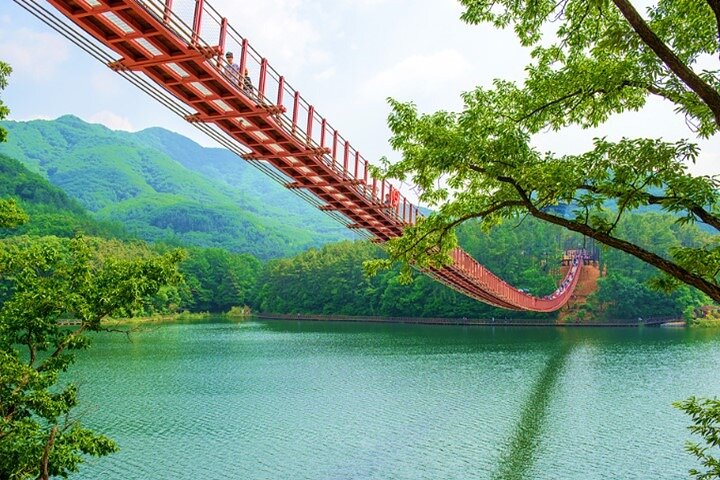
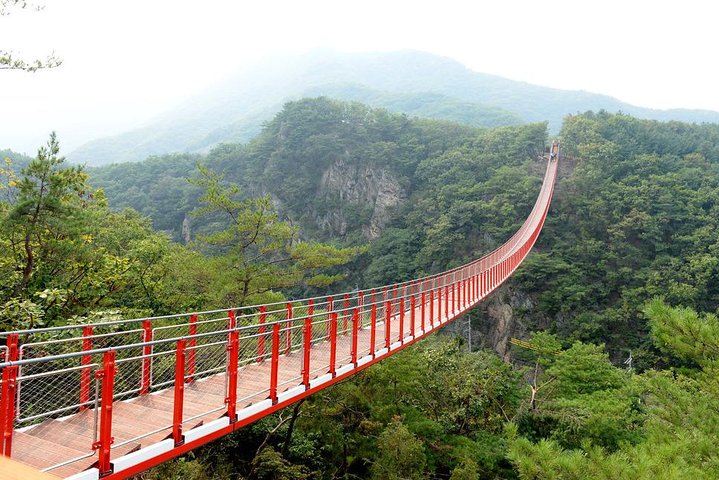
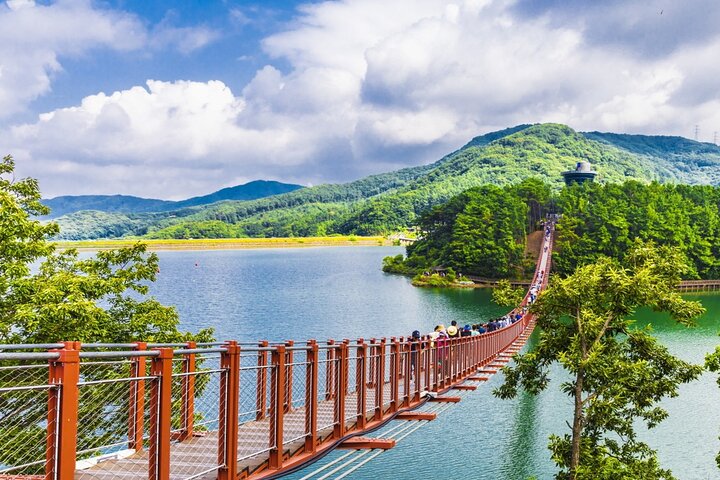
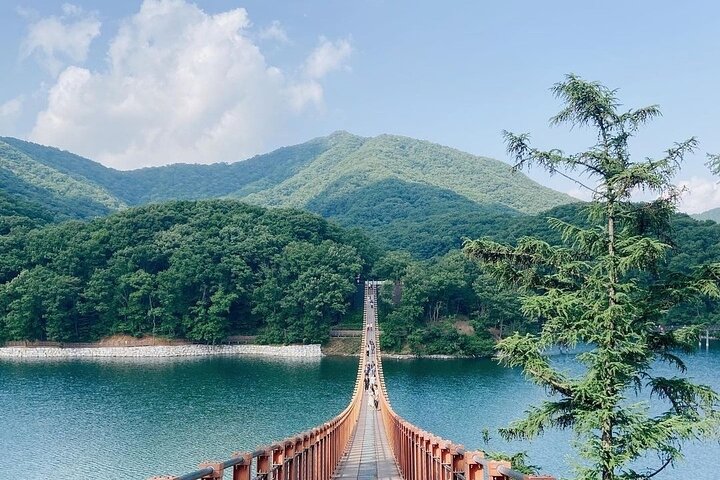
The highlight of this stop was the suspension bridge, a scenic spot that offered breathtaking views and a moment of reflection. As I stood there, I couldn’t help but think of the countless stories of separation and longing that have unfolded in this region. The park also features bunkers built during the war, offering a tangible connection to the past.
Into the Depths: The 3rd Infiltration Tunnel
The journey continued to the 3rd Infiltration Tunnel, a place that embodies the tension and complexity of the Korean divide. As we descended into the tunnel, I was reminded of the importance of understanding history from multiple perspectives. The tunnel, discovered in 1978, was built by North Korea as a means to infiltrate the South. It is a stark reminder of the ongoing conflict and the lengths to which nations will go to achieve their goals.
Navigating the tunnel was a physical challenge, especially for someone of my height. Standing at 5’10”, I found myself constantly ducking to avoid hitting my head on the rock ceiling. The hard hat provided was a necessary accessory, saving me from what could have been a painful experience. The tunnel’s steep descent and varying ceiling heights made it a test of endurance, but reaching the end was a rewarding experience.
At the end of the tunnel, a rail prevents further passage, but a small window offers a glimpse into North Korea. It was a surreal moment, standing just feet away from a country that remains shrouded in mystery and intrigue. The brief view into North Korea was a reminder of the complex relationship between the two nations and the hope for eventual reunification.
A View from Above: Dora Observatory and Beyond
Our final stops included the Dora Observatory and Dorasan Station, each offering a unique perspective on the Korean divide. At the Dora Observatory, I peered through binoculars to catch a glimpse of the North Korean village of Kijongdong. The guide’s commentary on daily life in the village was both fascinating and sobering, highlighting the stark differences between the two Koreas.
Dorasan Station, a symbol of hope and potential reunification, was our last stop. The station, though currently inactive, stands as a gateway for future exchanges between the North and South. It was a fitting end to a tour that had taken us through history, conflict, and hope.
Reflecting on the day’s journey, I was filled with a sense of gratitude for the opportunity to witness such a unique part of the world. The DMZ Tour is more than just a historical exploration; it’s a reminder of the resilience of the human spirit and the enduring hope for peace and unity. For anyone interested in understanding the complexities of Korea’s divide, this tour is an essential experience.