Exploring the Living History of St. Joseph Plantation
Drawn by the allure of history and architecture, I embarked on a journey to St. Joseph Plantation in Vacherie, Louisiana. What I discovered was a captivating blend of family legacy and historical intrigue.


A Journey Through Time: Discovering St. Joseph Plantation
Nestled along the storied River Road in Vacherie, Louisiana, the St. Joseph Plantation stands as a testament to the rich tapestry of history that defines this region. As a former professor of European history, I have always been drawn to places where the past and present intertwine, and this plantation did not disappoint. My wife and I, seasoned travelers of historical sites, found ourselves captivated by the unique charm and authenticity of this working sugar estate.
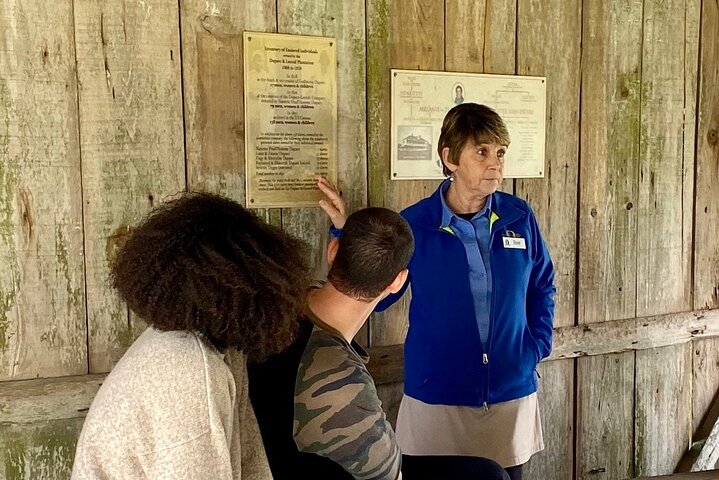
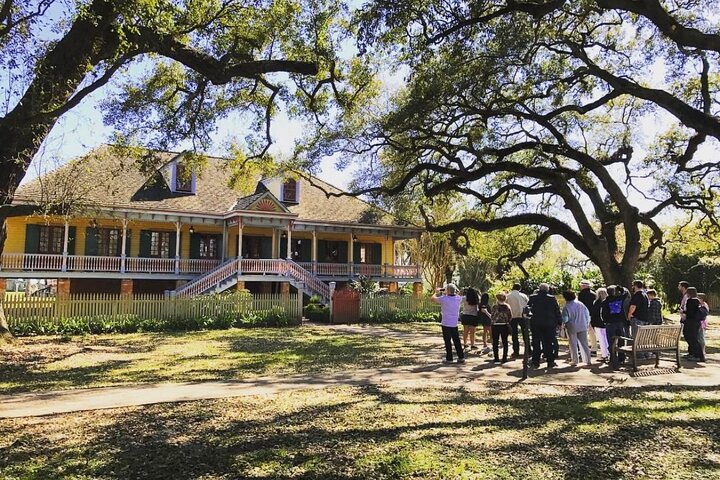
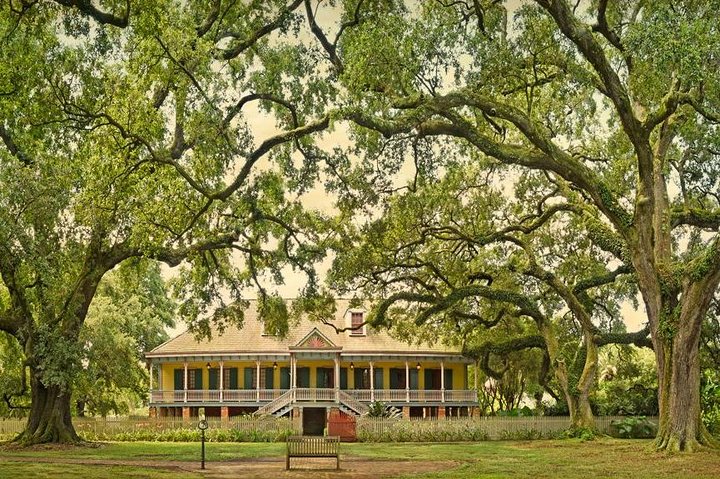
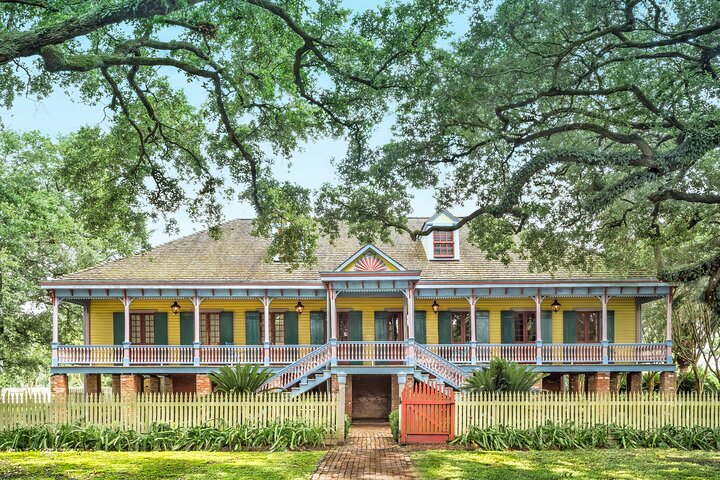
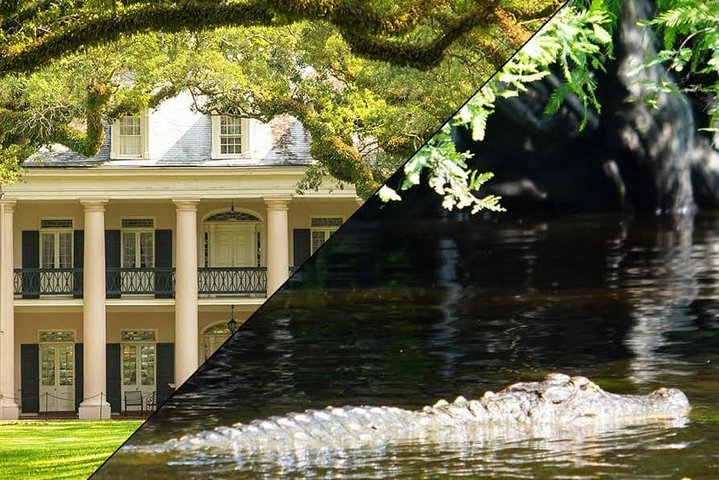
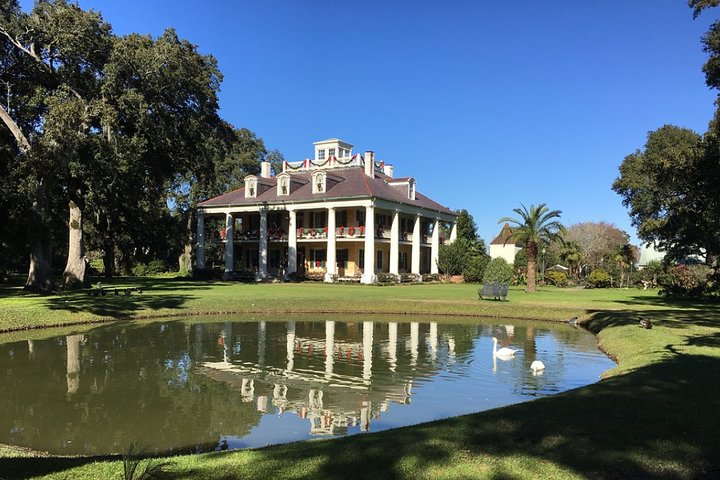
Upon arrival, the plantation’s grandeur was immediately apparent. The main house, with its stately columns and expansive verandas, whispered tales of a bygone era. Built in the 1830s and expanded in the 1850s, the house is a living museum, offering a glimpse into the lives of those who once called it home. The tour, led by the knowledgeable and engaging Sylvia, was a highlight of our visit. Her storytelling was akin to a rich gumbo, blending family memories, artifacts, and portraits into a narrative that brought the plantation’s history to life.
The Living Legacy of St. Joseph
What sets St. Joseph Plantation apart from other historical sites is its enduring connection to the family that has owned it for generations. Unlike many other plantations that have become mere relics of the past, St. Joseph remains a working farm, a living testament to the resilience and continuity of its heritage. This familial bond is palpable throughout the tour, as Sylvia shared anecdotes and insights that only someone with deep ties to the property could provide.
The relaxed atmosphere of the tour was refreshing. Unlike more formal historical sites, visitors are encouraged to engage with the artifacts, touching and experiencing them firsthand. This tactile connection to history is rare and adds a layer of intimacy to the experience. The farm-to-table lesson, highlighting the plantation’s ongoing agricultural operations, was particularly enlightening, offering a modern perspective on the estate’s historical roots.
A Broader Historical Context
While the tour at St. Joseph Plantation focuses primarily on the family’s history and the plantation’s agricultural legacy, it is important to acknowledge the broader historical context of the region. The River Road is home to numerous plantations, each with its own unique story and perspective. As the review I read before my visit noted, some plantations, like the Whitney, offer a more in-depth exploration of the African American experience and the history of slavery.
It is crucial for visitors to approach these sites with an understanding of the complex and multifaceted history they represent. The end of the Civil War was not the end of the story for these plantations, and each site offers a different lens through which to view the past. I encourage fellow history enthusiasts to explore multiple plantations along the River Road, as each provides valuable insights into the culture and history of antebellum Louisiana.
In conclusion, our visit to St. Joseph Plantation was a memorable journey through time, offering a unique blend of history, family legacy, and modern agricultural practices. For those seeking to delve deeper into the rich tapestry of Louisiana’s past, this plantation is a must-visit destination. St. Joseph Plantation