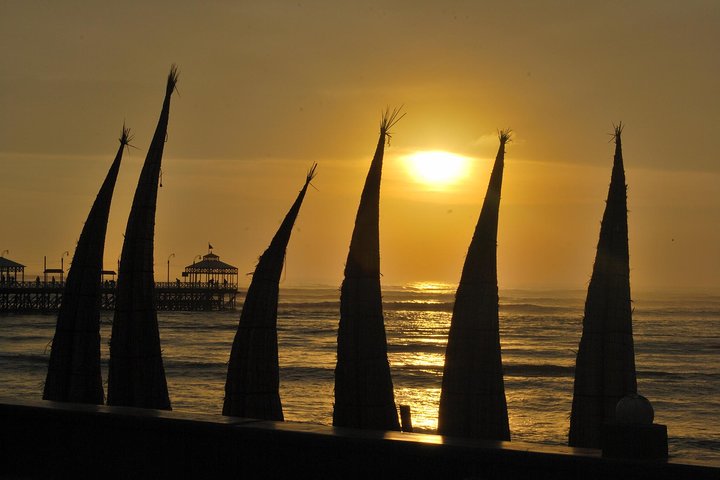
Trujillo’s Timeless Tapestry: A Journey Through History and Heritage
Drawn by the allure of Trujillo’s rich history and cultural heritage, I embarked on a journey to explore its mansions, churches, and the renowned Archaeological Museum. Join me as I delve into the stories and secrets of this captivating city.


A Stroll Through Time: The Heart of Trujillo
As I stepped into the vibrant Plaza de Armas de Trujillo, I felt the pulse of history beneath my feet. This was the very site where Francisco Pizarro founded the city in 1535, and the echoes of the past seemed to whisper through the air. The square, with its colonial architecture and lively atmosphere, was a testament to the rich tapestry of cultures that have woven themselves into the fabric of Trujillo.
The first stop on my journey was the Casa Urquiaga, also known as Casa Calonge. This mansion, with its grandiose architecture, was once the residence of Simon Bolivar in 1824. Walking through its halls, I could almost feel the presence of the great liberator himself, contemplating the future of a nation. The house, with its intricate woodwork and elegant furnishings, offered a glimpse into the opulence of a bygone era.
As I continued my exploration, I found myself drawn to the Santa Maria Cathedral. This main church of Trujillo stood as a beacon of faith and resilience. Its towering spires and ornate façade were a testament to the city’s enduring spirit. Inside, the cathedral was a sanctuary of peace, with its stained glass windows casting a kaleidoscope of colors across the pews. It was a moment of reflection, a pause in the bustling rhythm of the city.
Unveiling the Secrets of the Past
The Museo de Arqueologia de la Universidad Nacional de Trujillo was a treasure trove of history, offering a comprehensive overview of the civilizations that once thrived in northern Peru. As a cultural anthropologist, I was particularly fascinated by the museum’s extensive collection of artifacts, each piece telling a story of its own.
The exhibits were meticulously curated, providing insights into the lives of the Moche, Chimu, and other ancient cultures. From intricately designed pottery to ceremonial masks, the museum was a window into a world long past. I found myself lost in thought, imagining the rituals and traditions that shaped these societies.
One of the highlights of the museum was the detailed chronology of the region’s history. It was a reminder of the resilience and ingenuity of the people who once called this land home. As I wandered through the exhibits, I felt a deep connection to the past, a reminder of the shared human experience that transcends time and place.
Echoes of Independence and Elegance
The Casa de la Emancipacion was a poignant reminder of Trujillo’s role in the fight for independence. This historic site, where leaders once gathered to plan the future of a free Peru, was steeped in the spirit of revolution. Walking through its halls, I could almost hear the fervent discussions and impassioned speeches that once filled the air.
The final stop on my tour was the Palacio Iturregui, a neo-classical mansion built in 1840. Its grandeur was a testament to the wealth and influence of Trujillo’s elite during the 19th century. The mansion’s elegant architecture and lavish interiors were a feast for the senses, a celebration of art and design.
As I concluded my journey through Trujillo, I was struck by the city’s ability to seamlessly blend the past with the present. Each site I visited was a chapter in the story of Trujillo, a narrative of resilience, creativity, and cultural richness. It was a journey that left me with a deeper appreciation for the history and heritage of this remarkable city, a reminder of the enduring legacy of those who came before us.