Exploring the Spiritual and Historical Tapestry of Tripoli
Drawn by the allure of Tripoli’s ancient history and spiritual heritage, I embarked on a journey from Beirut to explore this storied city. Join me as I delve into the rich tapestry of Tripoli’s past, from its majestic citadel to its vibrant souks and sacred mosques.
A Journey Through Time: The Ancient City of Tripoli
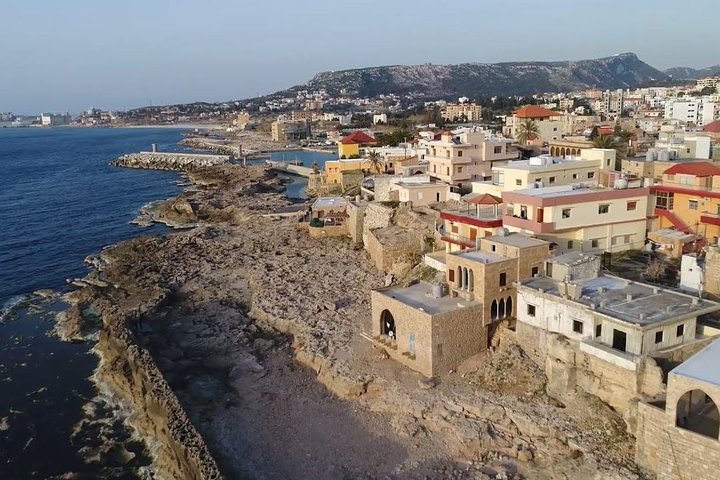
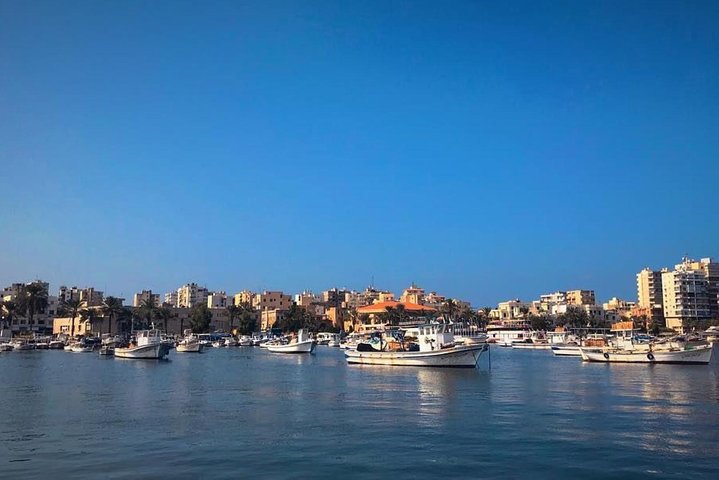
As I embarked on my journey from Beirut to the ancient city of Tripoli, I was filled with anticipation. The city, known as Ṭarābulus in Arabic, is a treasure trove of history, nestled on the Mediterranean coast. It is a place where the echoes of the Phoenician era still resonate, and the stories of the Crusaders, Mamlukes, and Ottomans are etched into its very stones. As a scholar of Islamic studies, I was particularly drawn to the city’s rich tapestry of religious and cultural history.
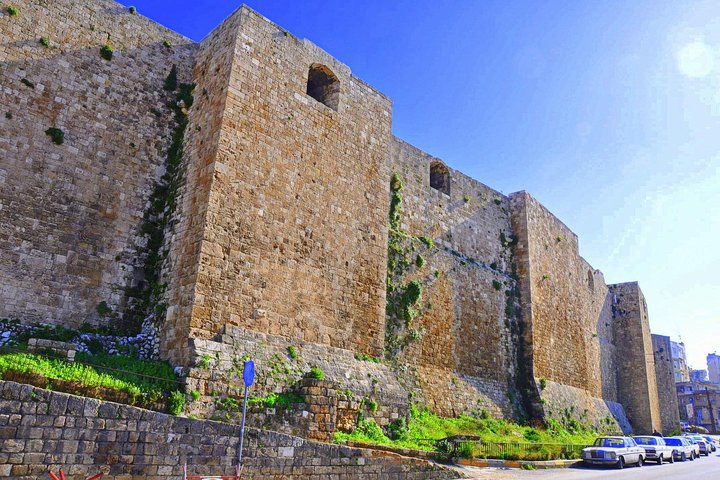
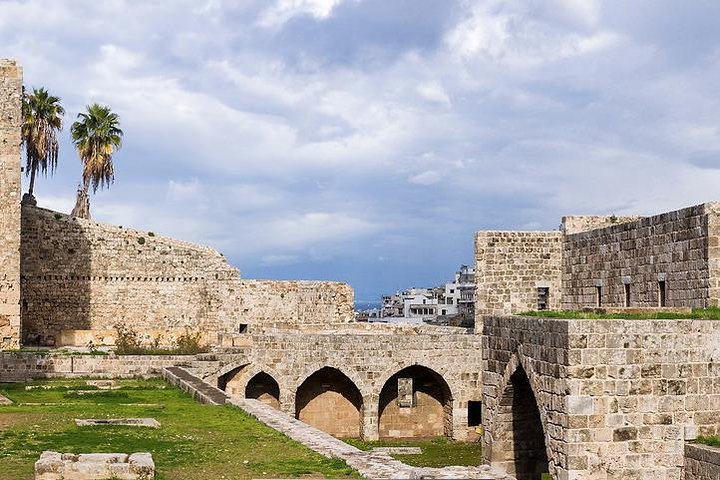
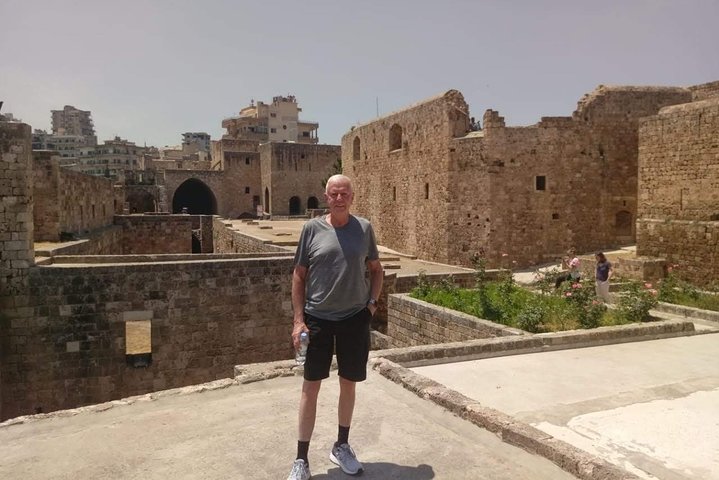
Our first stop was the Citadel of Saint Gilles, or Qal’at Sinjil, a fortress that has stood the test of time. Overlooking the city, the citadel is a testament to the many civilizations that have left their mark on Tripoli. As I wandered through its ancient corridors, I could almost hear the whispers of the past, tales of battles fought and won, and the relentless march of history. The citadel’s architecture, a blend of Fatimid, Crusader, Mamluke, and Ottoman influences, is a visual narrative of the city’s storied past.
Spiritual Reflections in Tripoli’s Mosques
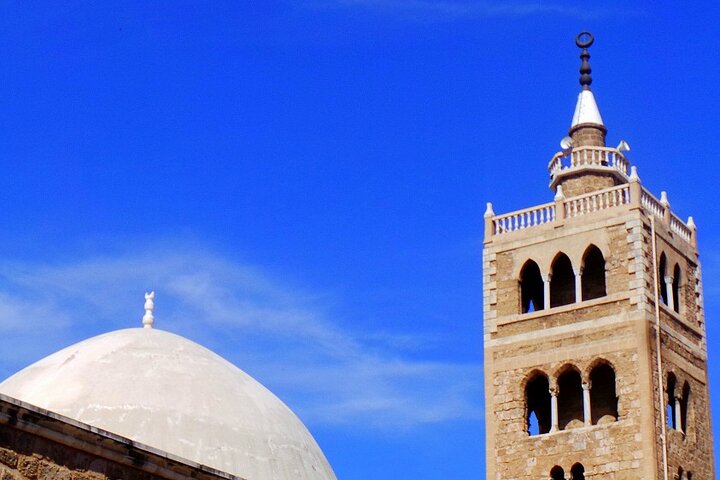
Tripoli is home to some of the most beautiful mosques, each with its own unique story. The Al Mansouri Mosque, with its origins dating back to the late 13th century, stands as a symbol of the city’s Islamic heritage. Built on the ruins of a Crusader cathedral, the mosque is a harmonious blend of Western and Islamic architectural elements. As I stood in its vast courtyard, I felt a deep sense of connection to the generations of worshippers who had come before me.
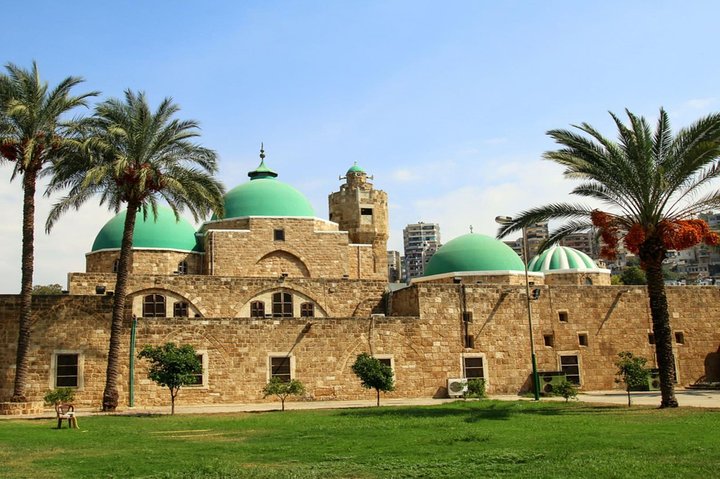
The Taynal Mosque, another gem of Tripoli, is a masterpiece of Mamluke architecture. Its prayer halls, adorned with Roman columns and intricate decorations, are a testament to the artistic and spiritual legacy of the era. As I explored the mosque, I was reminded of the importance of preserving our cultural and religious heritage, a theme that resonates deeply with my own journey as a travel writer and scholar.
The Vibrant Soul of Tripoli: Souks and Hammams
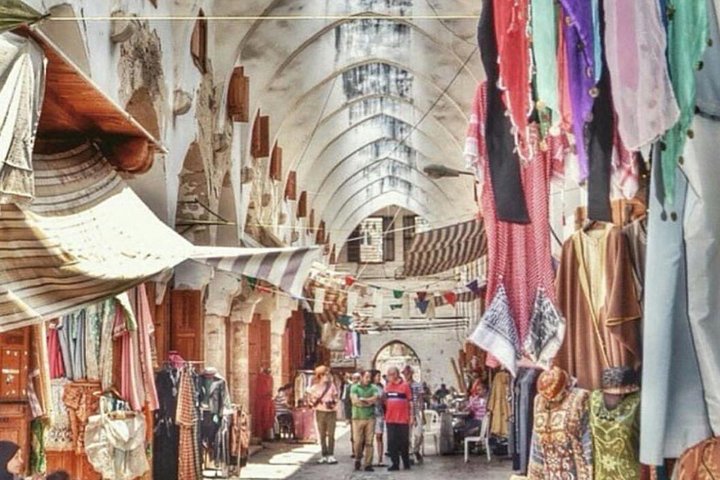
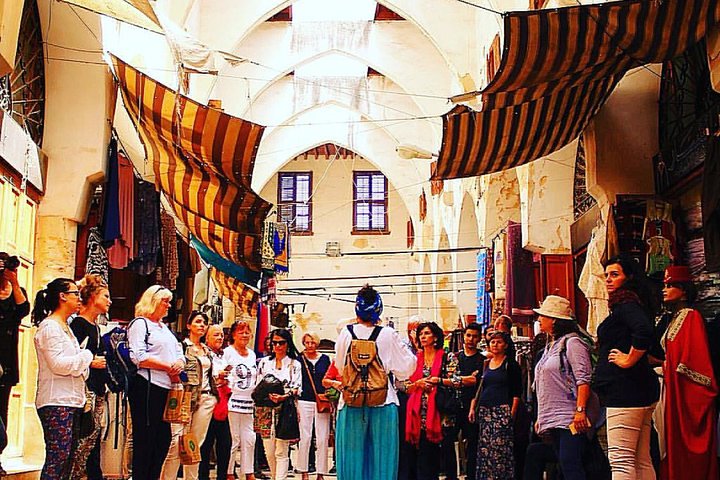
No visit to Tripoli would be complete without a stroll through its bustling souks. The vibrant colors, the intoxicating aromas, and the lively chatter of merchants and shoppers create an atmosphere that is both chaotic and enchanting. The souks are a living museum, a place where centuries-old traditions are kept alive. As I meandered through the narrow alleys, I was captivated by the stories of the artisans and traders who have called these souks home for generations.
The hammams of Tripoli, though many are no longer in operation, still hold a certain allure. The Hammam Al Jadid, with its faded grandeur, is a reminder of the city’s once-thriving bathhouse culture. As I stood in its echoing chambers, I could almost feel the presence of those who had come to cleanse their bodies and souls in its waters.
My journey to Tripoli was more than just a tour; it was a pilgrimage of the soul. It was a chance to connect with the past, to reflect on the present, and to dream of the future. As I left the city, I carried with me not just memories, but a renewed sense of purpose and a deeper understanding of the rich tapestry of history and culture that is the Middle East.