Exploring Bhutan: A Journey Through Valleys and Monasteries
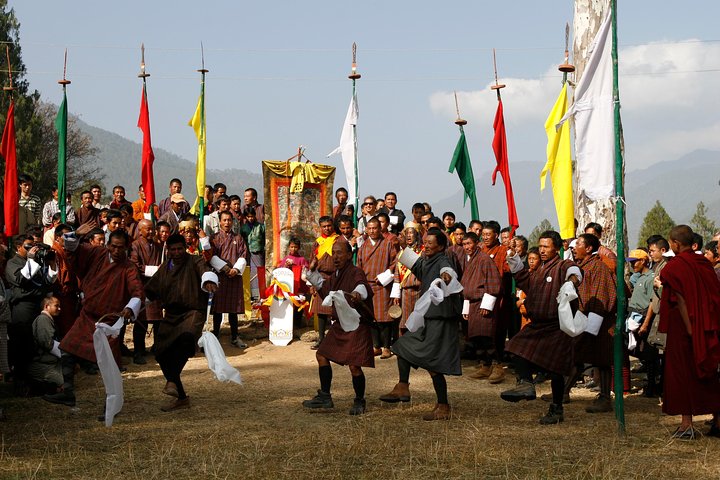
Drawn by the allure of Bhutan’s rich cultural heritage, I embarked on a journey through its valleys and monasteries. Guided by the exceptional Norbu and Nidup, I discovered the heart of Bhutan, from its vibrant festivals to its serene landscapes.


Arrival in Thimphu: A Warm Welcome
As I stepped off the plane at Paro International Airport, I was greeted by the crisp mountain air and the warm smiles of Norbu and Nidup, my guide and driver for the journey ahead. Their genuine hospitality set the tone for what would be an unforgettable exploration of Bhutan’s cultural heritage. The drive to Thimphu, the capital city, was a gentle introduction to the country’s breathtaking landscapes and vibrant culture. Along the way, we stopped at the National Memorial Chorten, a stupa built in memory of the Third King of Bhutan. The intricate designs and the serene atmosphere offered a glimpse into the spiritual heart of Bhutan.
In Thimphu, I was introduced to the art of weaving at a local center, where artisans skillfully crafted intricate patterns using traditional handlooms. This experience was a testament to the rich cultural tapestry that defines Bhutan. The highlight of the day was the visit to the towering bronze statue of Buddha, overlooking the Thimphu valley. Standing in its presence, I felt a profound sense of peace and connection to the land.
Journey to Punakha: A Tapestry of Traditions
The next leg of our journey took us to Punakha valley, a place where history and tradition intertwine seamlessly. Before leaving Thimphu, we visited the Royal Takin Preserve, home to Bhutan’s national animal, the Takin. This unique creature, with its peculiar appearance, is a symbol of the country’s rich biodiversity.
In Punakha, the Chimi Lhakhang, known as the “Temple of Fertility,” was a fascinating stop. The temple’s vibrant murals and the stories of its origins added depth to my understanding of Bhutanese spirituality. As we explored the nearby village, adorned with colorful phallic symbols, I was reminded of the country’s unique blend of humor and reverence.
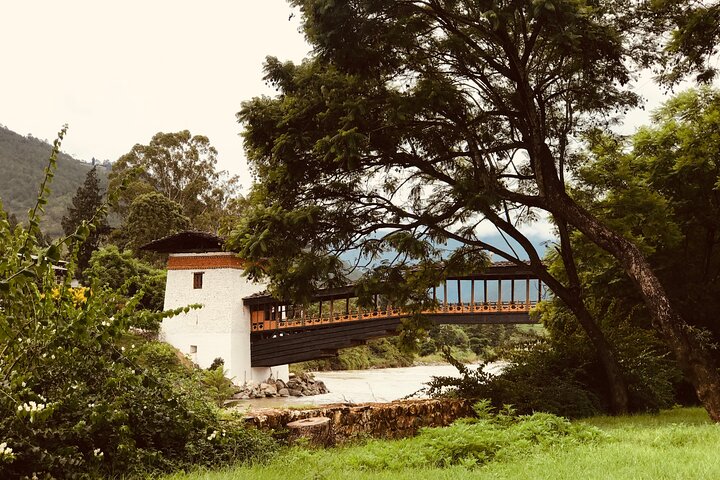
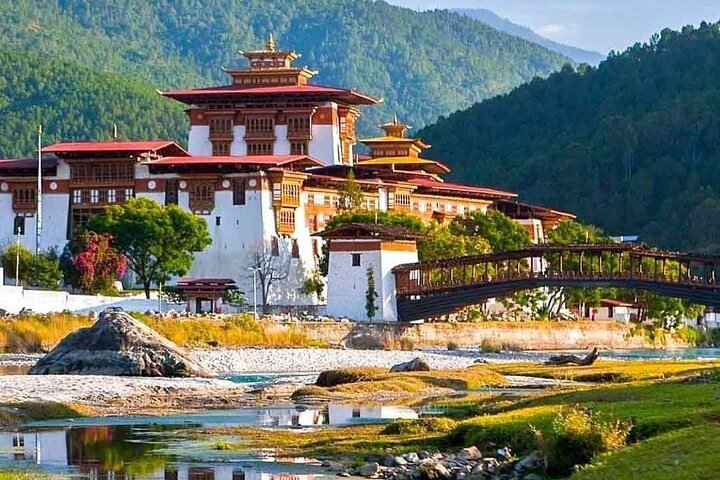
The Punakha Dzong, a masterpiece of Bhutanese architecture, was a sight to behold. Its sacred wall paintings and intricate woodwork were a testament to the country’s artistic heritage. As I walked across the suspension bridge over the Phochu river, I marveled at the harmony between nature and human craftsmanship.
The Heart of Bhutan: Valleys and Monasteries
Our journey continued to the Phobjikha Valley, where the Gangtey Nature Trail offered a serene hike through pine forests and traditional farmhouses. The trail provided a window into the lives of the local residents, whose livelihoods are deeply connected to the land.
In Bumthang Valley, the Yathra Weaving Center showcased the vibrant textiles woven from sheep and yak hair. The intricate patterns and vibrant colors were a reflection of the region’s cultural identity. As we drove through the Yotongla mountain pass, the panoramic views of the surrounding peaks were a reminder of Bhutan’s majestic beauty.
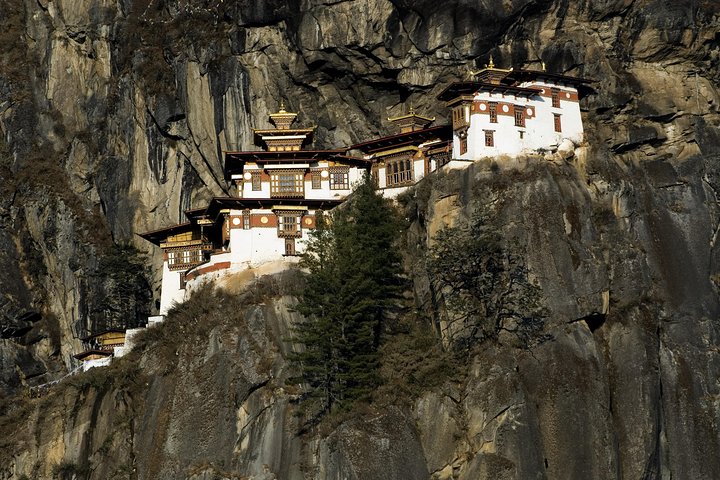
The final leg of our journey took us to the iconic Tiger’s Nest Monastery, perched on a sheer cliff face. The hike to the monastery was a spiritual pilgrimage, offering moments of reflection and awe. As I stood at the monastery, overlooking the valley below, I felt a deep sense of gratitude for the experiences and connections forged during this journey.
Throughout the trip, Norbu and Nidup were more than just guides; they were companions who enriched the experience with their knowledge and passion. Norbu’s expertise in birdwatching added an unexpected layer to the journey, while Nidup’s love for music provided a soundtrack to our travels. Their dedication and warmth made this journey through Bhutan a truly transformative experience.