Exploring the Timeless Charm of Takehara: Hiroshima’s Little Kyoto
Drawn by the allure of Takehara, Hiroshima’s Little Kyoto, I embarked on a journey to explore its rich history and vibrant art scene. Join me as I delve into the town’s unique blend of tradition and modernity.


A Journey Through Time in Takehara
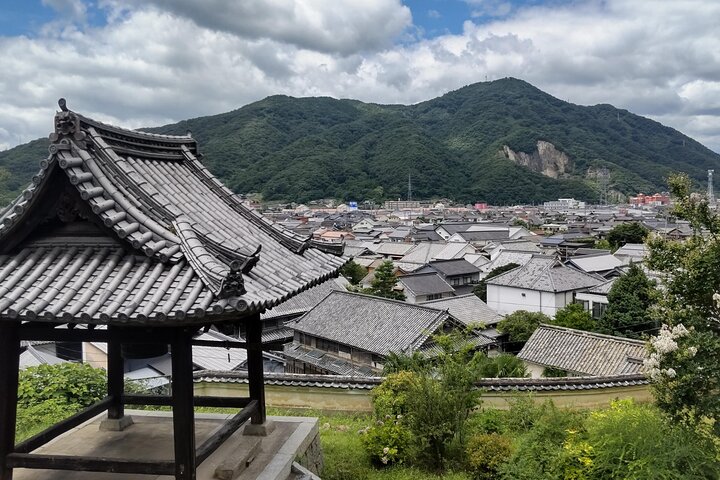
As I stepped into Takehara, often referred to as Hiroshima’s Little Kyoto, I felt as though I had been transported back in time. The town, nestled in the south-central part of Hiroshima Prefecture, is a living testament to Japan’s rich history, with its streets lined by historical buildings from the Edo period to the Showa era. The preservation of these structures is a testament to the town’s commitment to maintaining its cultural heritage.
Walking through the Takehara Townscape Preservation District, I was immediately struck by the architectural beauty that surrounded me. The district is a harmonious blend of different architectural styles, each telling its own story of the past. The Edo period buildings, with their wooden facades and traditional tiled roofs, stand proudly alongside the more modern structures of the Showa era. This seamless blend of old and new is what makes Takehara truly unique.
As I wandered through the narrow streets, I couldn’t help but feel a sense of nostalgia. The town’s atmosphere is reminiscent of a bygone era, where life moved at a slower pace, and people took the time to appreciate the beauty around them. It was a refreshing change from the hustle and bustle of modern city life.
The Artistic Heart of Takehara
One of the highlights of my visit to Takehara was the opportunity to experience the town’s vibrant art scene. The town is home to a number of talented young artists who are breathing new life into the historical townscape with their stunning shohekiga paintings. These large paintings, often found on sliding doors or folding screens, are a traditional form of Japanese art that has been passed down through generations.
During my visit, I had the chance to interact with some of these artists and witness their creative process firsthand. It was fascinating to see how they draw inspiration from the town’s rich history and natural beauty to create their masterpieces. The passion and dedication they have for their craft is truly inspiring.
In addition to the shohekiga paintings, Takehara also offers visitors the chance to try their hand at pottery making. At a local pottery studio, I was able to create my own saké cup and salt plate in the distinctive SETOUCHI Blue, a color that is synonymous with the Seto Inland Sea area. This hands-on experience allowed me to connect with the local culture in a meaningful way and take home a unique souvenir to remember my trip by.
A Taste of Takehara
No visit to Takehara would be complete without sampling the local saké, which is made using Hiroshima’s unique soft water brewing method. At Fujii Shuzo, a renowned local brewery, I was treated to a saké tasting that showcased the delicate flavors and aromas of this traditional Japanese beverage. The brewery’s saké brand, Ryusei, is particularly noteworthy, having been served at the G7 Summit in Hiroshima in 2023.
The saké tasting was a delightful experience, allowing me to appreciate the craftsmanship and attention to detail that goes into each bottle. The brewery also offers a range of saké sets, tableware, and accessories made from kimono fabric, providing visitors with the perfect opportunity to take home a piece of Takehara’s cultural heritage.
As I sipped on the saké, I couldn’t help but reflect on the unique blend of history, art, and culture that makes Takehara such a special place. From its beautifully preserved townscape to its thriving art scene and delicious local cuisine, Takehara offers a truly immersive experience for those seeking to connect with Japan’s rich cultural heritage. I left the town with a newfound appreciation for the beauty and complexity of Japanese culture, and a desire to return and explore even more of what this enchanting town has to offer.