Exploring the Timeless Beauty of Gokayama and Shirakawa-go
Drawn by the allure of Japan’s Gassho-zukuri villages, I embarked on a journey to Gokayama and Shirakawa-go. The experience promised a deep dive into the heart of Japan’s cultural heritage, and it delivered beyond expectations.


A Journey Through Time: Discovering Gokayama and Shirakawa-go
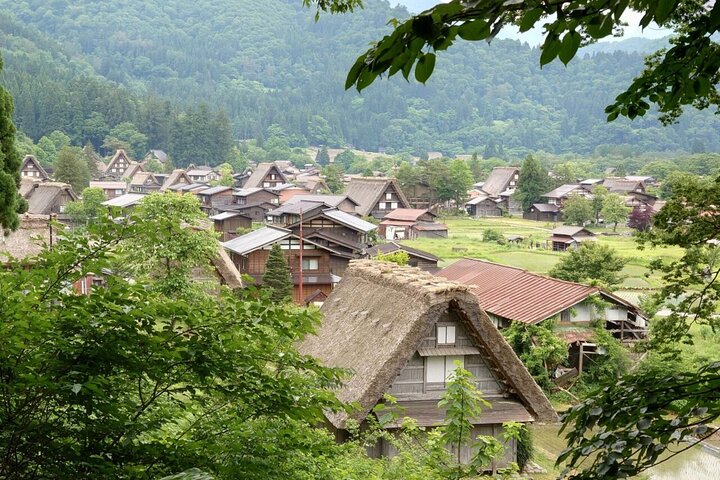
As someone who has always been deeply fascinated by the rich tapestry of Japanese culture, the opportunity to explore the World Heritage sites of Gokayama and Shirakawa-go was an experience I couldn’t pass up. Nestled in the heart of the Japanese Alps, these villages are a testament to the enduring spirit and ingenuity of the people who have called this region home for centuries. The allure of the Gassho-zukuri houses, with their steeply sloped roofs resembling hands in prayer, was irresistible.
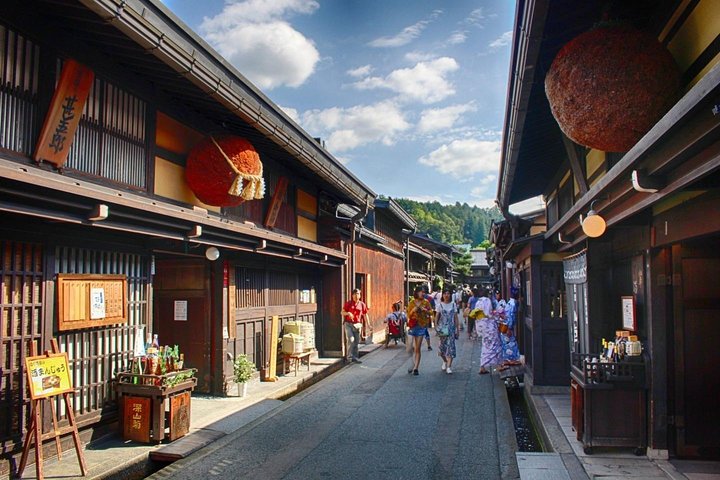
The journey began in Takayama, a city that itself is a blend of tradition and modernity. The weather had been unpredictable, a common occurrence in this mountainous region, but fortune smiled upon us as the skies cleared just in time for our adventure. The World Heritage Bus Tour was our gateway to these remote villages, offering a seamless and comfortable journey that would have been challenging to undertake independently.
The Enchanting Village of Ainokura
Our first stop was the village of Ainokura in Gokayama, a place that seemed to have leapt straight out of a history book. The village is home to 20 Gassho-zukuri houses, each one a marvel of traditional Japanese architecture. These structures, with their thatched roofs and wooden frames, are designed to withstand the heavy snowfall that blankets the region each winter.
Walking through Ainokura, I was struck by the sense of timelessness that permeated the air. The village is still inhabited, and the sight of daily life unfolding against the backdrop of these ancient homes was a poignant reminder of the resilience and adaptability of the human spirit. The English commentary provided by our guide enriched the experience, offering insights into the history and cultural significance of the village that might have otherwise been lost in translation.
The Iconic Shirakawa-go
Our journey continued to Shirakawa-go, perhaps the most famous of the Gassho villages. With 114 Gassho-zukuri houses, Shirakawa-go is a living museum, preserving the architectural and cultural heritage of Japan’s past. The village is a UNESCO World Heritage site, and it’s easy to see why. The harmony between the natural landscape and the human-made structures is nothing short of breathtaking.
Strolling through Shirakawa-go, I felt as though I had stepped into a fairy tale. The village is a tapestry of colors and textures, with the vibrant greens of spring giving way to the warm hues of autumn. The Tenshukakau Observatory offered a panoramic view of the village, a sight that will forever be etched in my memory.
The tour allowed ample time to explore at our own pace, a luxury that is often missing from guided tours. Whether it was wandering through the Shirakawa-go Gassho-zukuri Minkaen or simply soaking in the atmosphere, the experience was both enriching and rejuvenating.
A Cultural Tapestry
Reflecting on my journey through Gokayama and Shirakawa-go, I am reminded of the profound connection between culture and place. These villages are not just relics of the past; they are living, breathing communities that continue to thrive in harmony with their environment. The World Heritage Bus Tour provided a window into this world, offering a glimpse of a way of life that is both ancient and enduring.
For those seeking a deeper understanding of Japan’s cultural heritage, a visit to Gokayama and Shirakawa-go is an absolute must. The experience is a reminder of the beauty and complexity of human history, and the enduring power of tradition in shaping our world. As I continue my journey through Asia, I carry with me the lessons and memories of this remarkable adventure, eager to share them with those who seek to explore the rich cultural tapestry of this incredible region.