Exploring Asakusa: A Cultural Odyssey Through Tokyo’s Historic Heart
Eager to delve into Tokyo’s rich history, I embarked on the Asakusa Walking Tour. Guided by the knowledgeable Akari, I discovered the vibrant traditions and hidden gems of this historic district, making it an unforgettable cultural journey.


A Journey Through Time: The Heart of Asakusa
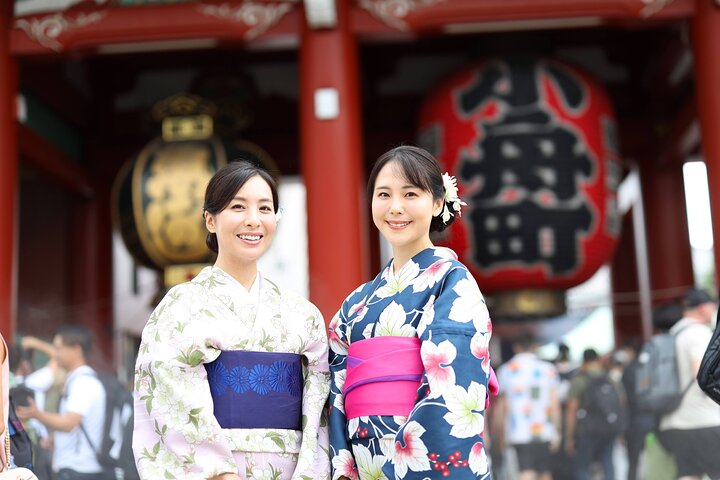
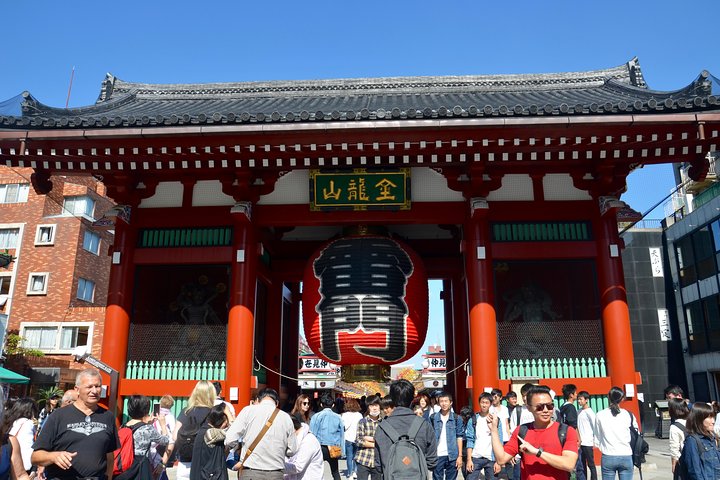
As I embarked on the Asakusa Walking Tour, I was immediately enveloped by the rich tapestry of Tokyo’s history. The tour began at the iconic Kaminarimon Gate, a grand entrance that seemed to whisper tales of the past. The vibrant red lanterns and the imposing statues of the wind and thunder gods set the stage for what was to come. Our guide, Akari, was a beacon of knowledge, her passion for Japanese culture evident in every word she spoke. Her storytelling was not just informative but also deeply engaging, painting vivid pictures of the Edo era and the evolution of Asakusa.
Walking through Nakamise Street, I was transported back in time. The street, lined with traditional shops and stalls, offered a sensory feast. The aroma of freshly made senbei (rice crackers) and the sight of colorful yukata (summer kimono) were a delightful reminder of Japan’s enduring traditions. Akari’s insights into the history and significance of each shop added layers of meaning to the experience. It was more than just a stroll; it was a journey through the heart of Japanese culture.
Senso-ji Temple: A Spiritual Oasis
The highlight of the tour was undoubtedly the visit to Senso-ji Temple, Tokyo’s oldest and most revered temple. As we approached the temple, the air was filled with the sound of temple bells and the scent of incense, creating a serene atmosphere. Akari guided us through the temple’s history, explaining its significance in Japanese Buddhism and its role in the community. Her explanation of the purification ritual at the temple’s entrance was particularly enlightening, offering a glimpse into the spiritual practices that have been part of Japanese life for centuries.
One of the most memorable moments was drawing our fortunes at the temple. Akari’s explanation of the omikuji (fortune-telling paper) process was both educational and entertaining. When one of our group received a bad fortune, Akari’s calm and reassuring explanation of the tradition of tying the paper to a designated rack to leave the bad luck behind was a testament to her deep understanding of Japanese customs. It was a moment that turned potential disappointment into a meaningful cultural experience.
Culinary Delights and Hidden Gems
The tour was not just about history and spirituality; it was also a culinary adventure. As we strolled through the streets of Asakusa, Akari introduced us to local delicacies that were both delicious and steeped in tradition. From sweet dorayaki (red bean pancakes) to savory takoyaki (octopus balls), each bite was a taste of Japan’s rich culinary heritage. Akari’s explanations of the origins and cultural significance of each dish added depth to the experience, making it more than just a food tasting.
As we wandered through the lesser-known alleys and hidden shrines, Akari’s enthusiasm for sharing the stories of these places was infectious. Her ability to weave together the past and present, the famous and the obscure, made the tour a truly immersive experience. The final stop at Azuma Bridge, with its breathtaking view of the Tokyo Skytree and the Sumida River, was the perfect ending to a day filled with discovery and wonder.
The Asakusa Walking Tour was more than just a tour; it was a journey into the soul of Tokyo. Akari’s expertise and passion for Japanese culture made it an unforgettable experience, one that left me with a deeper appreciation for the traditions and history that continue to shape this vibrant city. If you’re looking to explore Tokyo beyond the surface, this tour is a must-do.