Embracing Tradition: A Cultural Odyssey in Asakusa
Drawn by the allure of Tokyo’s rich cultural tapestry, I embarked on the Asakusa Walking Tour to explore the historic district’s vibrant blend of tradition and modernity. Little did I know, my visit coincided with the annual fireworks festival, adding an unexpected layer of excitement to my journey.




A Journey Through Time: The Heart of Asakusa
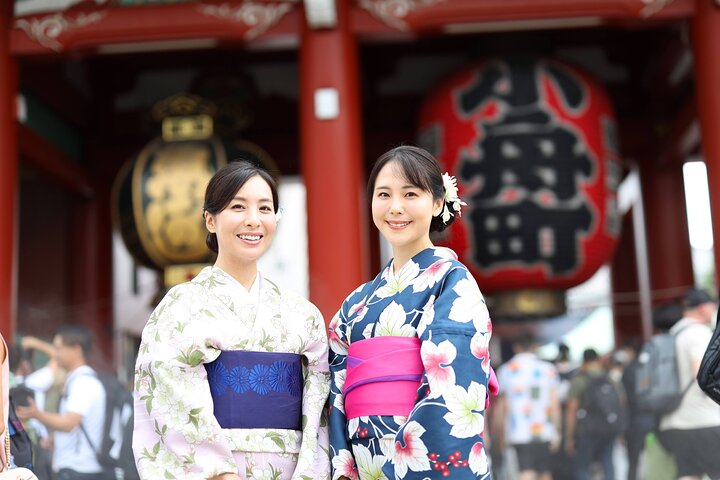
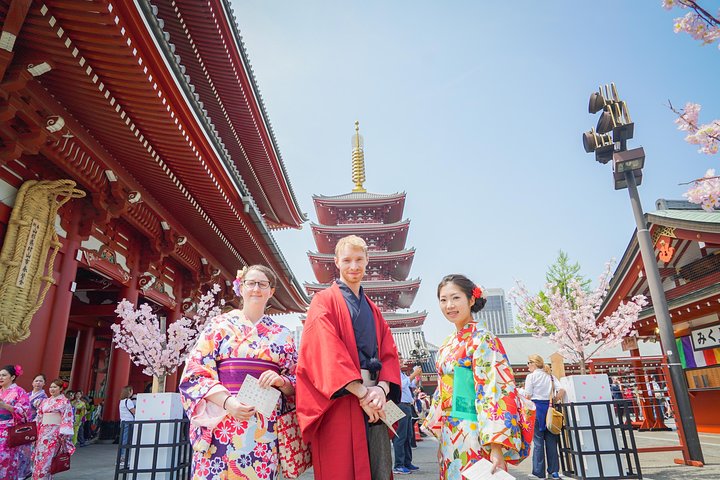
As I stepped into the vibrant district of Asakusa, I was immediately enveloped by a sense of history and tradition. The air was thick with anticipation as the annual fireworks festival was set to light up the Tokyo sky. I had unknowingly chosen the hottest day of the year for my visit, but the excitement in the air was palpable. My first stop was the Hanaikada Photo Studio, where I rented a yukata kimono. The shop was bustling with festival-goers, yet the staff remained calm and efficient, ensuring everyone was dressed in traditional attire. Clad in my yukata, I made my way to the iconic Kaminarimon, the Thunder Gate, which serves as the grand entrance to the Senso-ji Temple.
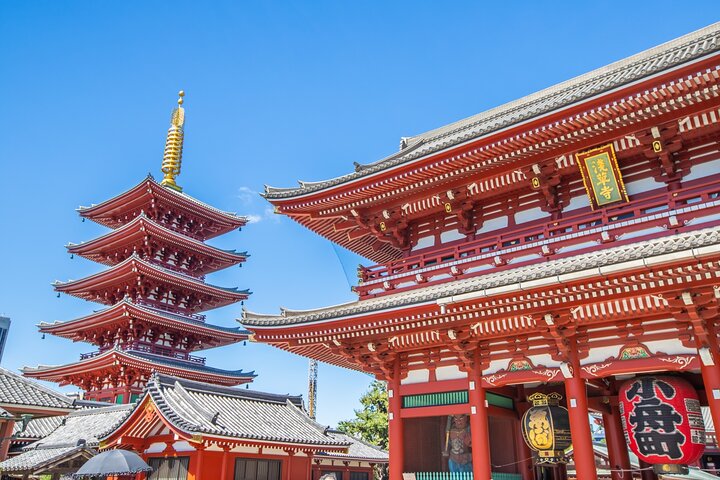
The Kaminarimon, or Fujin Raijin Gate, is a sight to behold. Originally constructed in 942 by the military commander Taira no Kinmasa, it has been a symbol of Asakusa’s rich history for centuries. The gate is flanked by statues of the Wind God and the Thunder God, revered deities believed to control natural phenomena. As I stood before these imposing figures, I couldn’t help but feel a deep connection to the past, a reminder of the cultural tapestry that defines Japan.
The Spiritual Heart of Tokyo: Senso-ji Temple
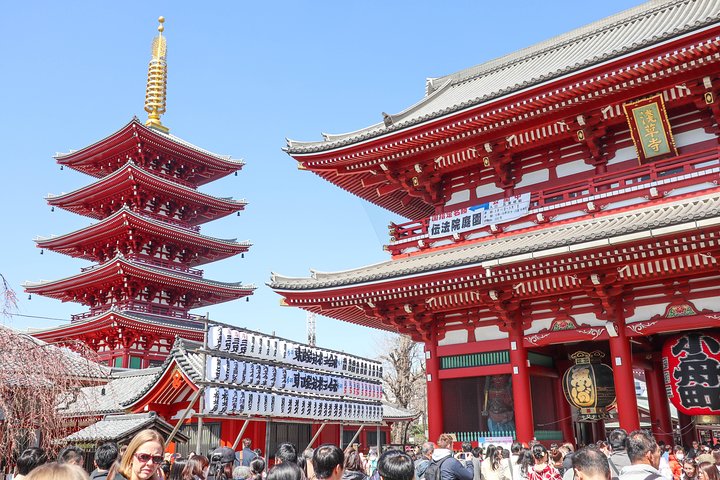
Passing through the Kaminarimon, I was greeted by the bustling Nakamise Shopping Street, a vibrant marketplace leading to the Senso-ji Temple. The street was alive with the sounds of vendors selling traditional crafts, souvenirs, and mouth-watering snacks. The aroma of freshly made sweets filled the air, tempting me to indulge in the local delicacies. As I meandered through the stalls, I marveled at the seamless blend of tradition and modernity that defines Tokyo.
Arriving at the Senso-ji Temple, I was struck by its grandeur and spiritual significance. The temple, Tokyo’s oldest Buddhist temple, dates back to the Asuka period in 628. Legend has it that two brothers discovered a sacred statue of Kannon Bodhisattva while fishing in the Sumida River. This statue became the temple’s principal deity, and the tradition of worship has been preserved for centuries. As I explored the temple grounds, I participated in the rituals, feeling a profound sense of peace and reverence.
Discovering Hidden Gems: Asakusa’s Cultural Tapestry
Beyond the temple, Asakusa offers a treasure trove of cultural experiences. I wandered through the serene Asakusa Shrine, a Shinto shrine dedicated to the founders of Senso-ji. The shrine’s tranquil atmosphere provided a welcome respite from the bustling streets, allowing me to reflect on the spiritual journey I had embarked upon.
As the sun began to set, I found myself on Hoppy Street, a lively area known for its izakayas and the popular drink “Hoppy.” The street was alive with laughter and conversation, a testament to the vibrant energy that defines Asakusa. I savored the refreshing drink alongside traditional Japanese dishes, immersing myself in the local culture.
My journey through Asakusa was a sensory delight, a harmonious blend of ancient traditions and modern vibrancy. As I left the district, the fireworks lit up the night sky, a fitting end to a day filled with cultural discovery and reflection. Asakusa had offered me a glimpse into Tokyo’s rich heritage, a reminder of the timeless beauty that lies at the heart of Japan.