Immersed in Tradition: Experiencing the Grand Sumo Tournament in Tokyo
Drawn by the allure of Japan’s ancient traditions, I embarked on a journey to experience the Grand Sumo Tournament in Tokyo. Guided by the knowledgeable Taku, I discovered the rich history and cultural significance of sumo wrestling, culminating in a day of unforgettable matches and a taste of traditional chanko nabe.




A Journey into the Heart of Sumo
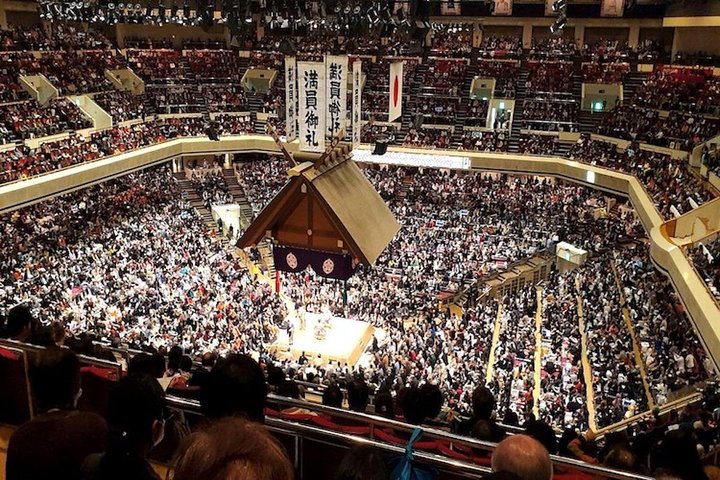
As I stepped into the Ryogoku Kokugikan, the air was thick with anticipation and the echoes of centuries-old traditions. The Grand Sumo Tournament, a spectacle that only graces Tokyo three times a year, was about to unfold before my eyes. I was part of a group of eager spectators, each of us ready to immerse ourselves in the rich tapestry of sumo culture. Our guide, Taku, was a beacon of knowledge and warmth, his passion for sumo evident in every word he spoke. He began by weaving the history of sumo into a narrative that was both enlightening and engaging, setting the stage for the matches that were to come.
The arena itself was a marvel, a testament to the enduring legacy of sumo wrestling. As we took our seats, Taku explained the significance of the rituals we were about to witness. The salt purification, the ceremonial stomping, each movement steeped in meaning and tradition. It was a dance of strength and spirit, a battle not just of physical prowess but of honor and respect. With each match, I found myself drawn deeper into the world of sumo, choosing a wrestler to cheer for, feeling the collective energy of the crowd as we rooted for our favorites.
The Art of Understanding
Without Taku’s guidance, I would have been lost in the intricacies of the sport. His explanations were like a lifeline, connecting us to the heart of the action. Through the earplug provided, his voice was a constant companion, narrating the unfolding drama with clarity and insight. He shared stories of legendary wrestlers, their triumphs and trials, painting a vivid picture of the sumo world. The sumo museum, with its trophies and memorabilia, offered a glimpse into the storied past of this ancient sport.
Taku’s dedication to his craft was evident in the way he engaged with us, answering questions, sharing anecdotes, and ensuring that we were not just spectators, but participants in the experience. His enthusiasm was infectious, and by the end of the day, I felt a profound connection to the sport and its traditions. It was a reminder of the power of cultural immersion, of stepping beyond the surface to truly understand and appreciate the depth of a tradition.
A Taste of Tradition
The day culminated in a culinary experience that was as memorable as the matches themselves. Taku led us to a local restaurant, where we were treated to chanko nabe, the hearty hot pot that fuels sumo wrestlers during their intense training. The meal was a celebration of flavors, each bite a testament to the care and tradition that goes into sumo cuisine. The restaurant, with its cozy ambiance and welcoming staff, was the perfect setting to reflect on the day’s events.
As I savored the rich broth and tender meats, I couldn’t help but feel grateful for the opportunity to experience sumo in such an authentic and meaningful way. The tour had been more than just a chance to watch a sport; it was an invitation to step into a world where tradition and modernity coexist, where the past informs the present in a dance as intricate as the matches themselves. For anyone seeking to understand the soul of Japan, the sumo tournament is an experience not to be missed. Sumo Tournament