Exploring Shenyang: A Cultural Tapestry of History and Cuisine
Eager to delve into the rich tapestry of Chinese history, I embarked on the Shenyang Day Tour, a journey that promised to uncover the secrets of the Qing Dynasty and offer a taste of Manchurian-Han cuisine. Join me as I explore the imperial grandeur, vibrant streets, and poignant history of Shenyang.




A Journey Through Time: The Shenyang Imperial Palace
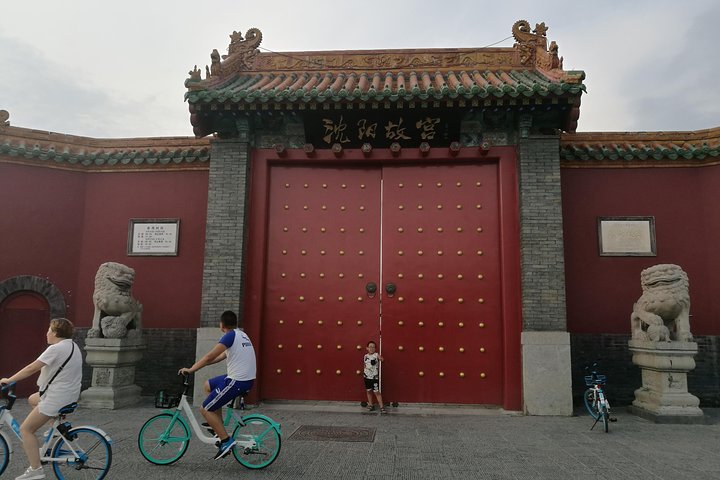
As I stepped into the Shenyang Imperial Palace, I was immediately transported back to the early days of the Qing Dynasty. The palace, second only to the Forbidden City in Beijing, is a testament to the grandeur and complexity of Chinese imperial history. Walking through its halls, I could almost hear the whispers of the past, the echoes of emperors and courtiers who once roamed these corridors.
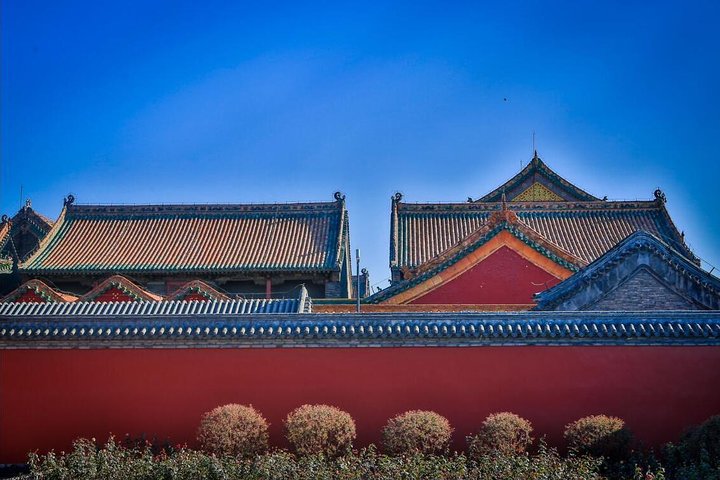
The architecture was a stunning blend of Manchu and Han influences, a reflection of the cultural amalgamation that characterized the Qing Dynasty. My guide was a wellspring of knowledge, sharing stories of the palace’s construction and its significance in Chinese history. I was particularly fascinated by the intricate details of the dragon motifs, each telling a story of power and prosperity.
The morning spent at the palace was not just a tour; it was an immersive experience that deepened my appreciation for the rich tapestry of Chinese history. It reminded me of the importance of preserving such sites, not just as tourist attractions, but as living museums that offer a window into the past.
A Stroll Down Shenyang Middle Street
After the historical immersion at the palace, I found myself on Shenyang Middle Street, a bustling pedestrian mall that offered a stark contrast to the serene atmosphere of the palace. The street was alive with the sounds of vendors and shoppers, a vibrant tapestry of modern life interwoven with historical charm.
I took a moment to sit at a quaint café, sipping on a cup of tea while watching the world go by. It was a perfect opportunity to reflect on the morning’s experiences and to observe the seamless blend of tradition and modernity that defines Shenyang.
Lunch was a delightful affair at a local Manchu restaurant, where I savored dishes that were as rich in flavor as they were in history. The Manchurian-Han cuisine was a culinary journey in itself, with each dish offering a taste of the region’s diverse cultural heritage. It was a reminder of how food can be a powerful storyteller, connecting us to the past through flavors and aromas.
Reflecting on History at the “9.18” Historical Museum
The final leg of the tour took me to the “9.18” Historical Museum, a somber yet essential stop that chronicles a period of grief and resilience in Shenyang’s history. The museum is dedicated to the events of September 18, 1931, when Japanese forces occupied the city, marking the beginning of a dark chapter in Chinese history.
Walking through the museum, I was struck by the poignant exhibits that told stories of courage and resistance. It was a powerful reminder of the resilience of the human spirit and the importance of remembering history to prevent its repetition.
As I left the museum, I felt a profound sense of gratitude for the opportunity to learn and reflect on such significant historical events. The Shenyang Day Tour was more than just a sightseeing excursion; it was a journey through time that offered a deeper understanding of the cultural and historical fabric of this remarkable city.
For those seeking a meaningful travel experience that combines history, culture, and cuisine, I highly recommend the Shenyang Day Tour. It is a journey that will leave you with a richer appreciation for the complexities of Chinese history and the enduring spirit of its people.