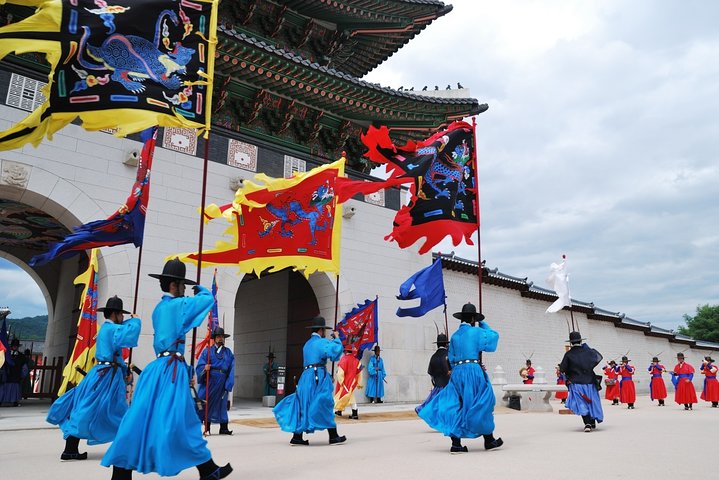
Exploring Seoul’s Timeless Treasures: A UNESCO Heritage Journey
Drawn by the allure of Seoul’s rich cultural tapestry, I embarked on a journey through its UNESCO heritage sites. The promise of exploring architectural masterpieces and sacred spaces was too enticing to resist.


A Journey Through Time: Discovering Seoul’s UNESCO Heritage Sites
Seoul, a city where the past and present coexist in harmony, offers a unique opportunity to explore its rich cultural heritage through its UNESCO sites. As someone deeply immersed in Asian cultures, I was drawn to the Seoul Heritage Tour to experience the historical tapestry of this vibrant city. The tour promised a deep dive into the architectural and cultural wonders of Seoul, and it did not disappoint.
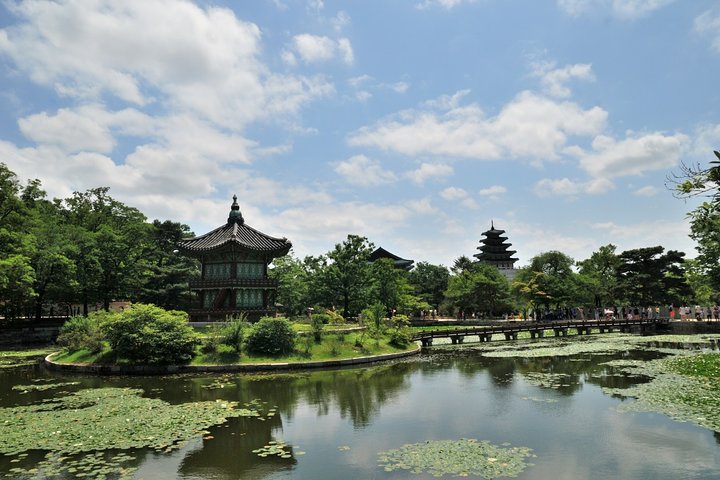
My journey began at the Changdeokgung Palace, a stunning example of traditional Korean architecture. As I walked through the palace grounds, I was transported back to the Joseon Dynasty, a time when the palace served as a royal residence. The intricate designs and harmonious layout of the palace were a testament to the architectural brilliance of the era. The highlight of my visit was the Huwon Secret Garden, a tranquil oasis that offered a serene escape from the bustling city. The garden’s natural beauty and traditional structures provided a perfect setting for reflection and mindfulness.
The Sacred Spaces of Jongmyo Shrine
Next on the itinerary was the Jongmyo Shrine, a Confucian royal shrine dedicated to the deceased kings and queens of the Joseon Dynasty. The shrine’s solemn atmosphere and elegant architectural style made it a place of reverence and reflection. As I walked through the peaceful courtyards and admired the simple yet profound design of the shrine, I felt a deep connection to the history and traditions of Korea.
The main hall, Jeongjeon, houses 49 royal ancestral tablets, each representing a piece of Korea’s rich history. The auxiliary hall, Yeongnyeongjeon, contains an additional 34 tablets, further emphasizing the importance of honoring the past. The shrine’s serene ambiance provided a perfect backdrop for contemplating the cultural significance of these royal rituals and ceremonies.
A Taste of Tradition at Gwangjang Market
The final stop on the tour was Gwangjang Market, one of Seoul’s oldest and most beloved traditional markets. As a lover of culinary experiences, I was eager to explore the diverse array of Korean street food and traditional dishes. The market’s bustling atmosphere and vibrant energy were infectious, and I found myself drawn to the various food stalls offering mouthwatering delights.
From bindaetteok (mung bean pancakes) to tteokbokki (spicy rice cakes), the market offered a feast for the senses. Each bite was a celebration of Korea’s culinary heritage, and I relished the opportunity to immerse myself in the local flavors. Beyond the food, the market also offered a glimpse into Korea’s textile and fashion traditions, with stalls selling quality fabrics, vintage clothing, and hanbok.
In conclusion, the Seoul Heritage Tour provided a profound and enriching experience, allowing me to connect with Seoul’s cultural heritage on a deeper level. The tour’s blend of historical sites, sacred spaces, and traditional markets offered a comprehensive insight into the city’s rich history and vibrant culture. For anyone seeking to explore the heart of Seoul, this tour is a must.