Echoes of Srebrenica: A Journey Through Time and Memory
Drawn by the promise of a deeper understanding of history, I embarked on a journey to Srebrenica, eager to explore the echoes of the past and the lessons they hold for the present.


A Journey Through History
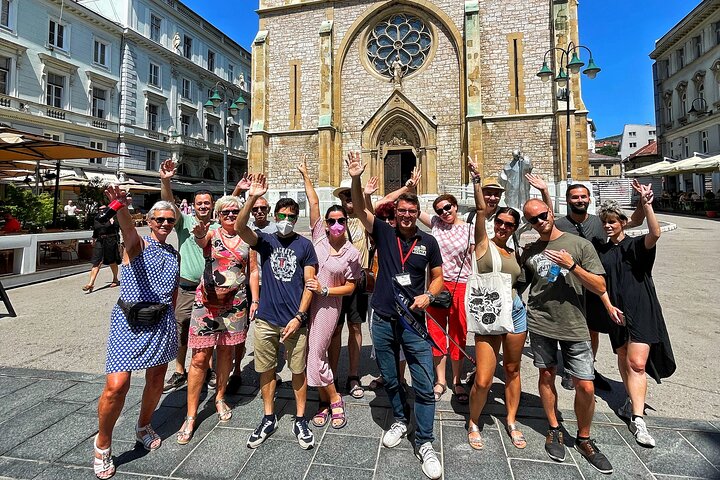
The drive from Sarajevo to Srebrenica was a journey through time, a passage that took me not only across the Bosnian landscape but deep into the heart of a history that still echoes in the present. Our guide, Muki, was a wellspring of knowledge, his words painting vivid pictures of the past as we traversed the winding roads. His stories were not just about the events of the Bosnian War but about the people who lived through it, their resilience, and their enduring hope.
As we approached Srebrenica, the air seemed to thicken with the weight of memory. The town, nestled in the lush green hills, bore silent witness to the horrors of the past. It was a place where the past and present coexisted, where the scars of history were visible in the eyes of its people. The journey was not just a physical one but an emotional and intellectual exploration, a chance to confront the uncomfortable truths of human history.
The Srebrenica Memorial
The Srebrenica Genocide Memorial was a stark reminder of the atrocities that took place in 1995. Walking through the memorial, I was struck by the sheer scale of the tragedy. The names etched into the stone walls were a testament to the lives lost, a somber reminder of the cost of hatred and intolerance. It was a place of mourning, but also of reflection, a space where the past was honored and remembered.
The documentary we watched at the Srebrenica Museum was a powerful narrative that brought the events of the genocide to life. It was a story of unimaginable loss, but also of survival and resilience. Listening to the testimonies of those who lived through the massacre was a humbling experience, a reminder of the strength of the human spirit in the face of unimaginable adversity.
Reflections on the Road Back
As we left Srebrenica and made our way back to Sarajevo, I found myself lost in thought. The experience had been a sobering one, a reminder of the fragility of peace and the importance of remembering the past. It was a journey that had challenged me to confront my own understanding of history, to question the narratives I had been taught, and to seek out the stories that often go unheard.
The conversations with Muki on the drive back were a continuation of this reflection. His insights and perspectives were invaluable, offering a deeper understanding of the complexities of the Bosnian War and its aftermath. It was a dialogue that left me with more questions than answers, but also with a renewed sense of purpose in my own journey of self-discovery.
This trip to Srebrenica was more than just a historical tour; it was an exploration of the human condition, a chance to connect with the past in a way that was both personal and profound. It was a reminder that history is not just a series of events, but a tapestry of human experiences, each thread woven with the stories of those who lived it.