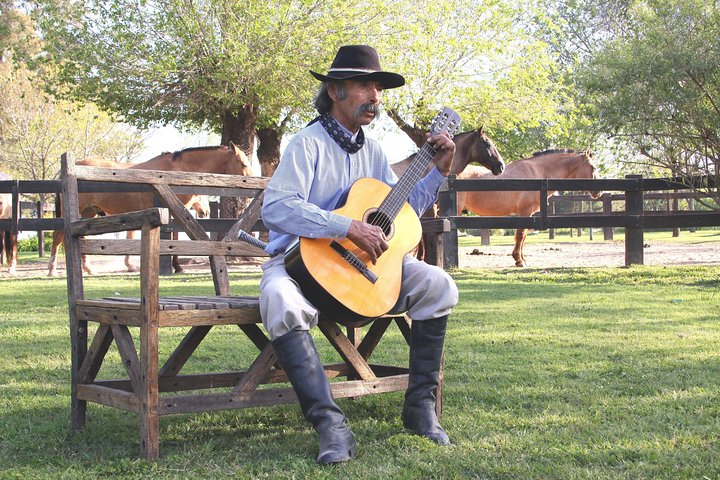
Discovering the Soul of Argentina: A Gaucho Adventure in San Antonio de Areco
Eager to explore the heart of Argentina’s gaucho culture, I embarked on a journey to San Antonio de Areco. This adventure promised a deep connection with the land and its people, offering a glimpse into a way of life that has shaped the Argentine identity for centuries.


A Journey into the Heart of Gaucho Culture
As the sun rose over Buenos Aires, I found myself eagerly anticipating a day that promised to be a deep dive into the heart of Argentina’s gaucho culture. The allure of the Pampas, with its vast plains and rich history, had long captivated my imagination. This was not just another tour; it was an opportunity to connect with a way of life that has shaped the Argentine identity for centuries.
Our journey began with a scenic drive along Ruta 8, the road unfurling like a ribbon through the expansive Pampas. The landscape, a tapestry of golden grasses and distant horizons, whispered stories of the gauchos who once roamed these lands. Upon arriving in San Antonio de Areco, the epicenter of gaucho culture, I was immediately struck by the town’s colonial charm. Our guide, a passionate storyteller, led us through the cobblestone streets, each step a journey back in time.
We visited the Parroquia San Antonio de Padua, a testament to the town’s rich history, and marveled at the intricate craftsmanship of the Draghi silversmith workshop. The Museo Güiraldes offered a fascinating glimpse into the life and legacy of Ricardo Güiraldes, a writer whose works immortalized the gaucho spirit. Each stop was a reminder of the deep cultural roots that run through this region, and I felt a profound connection to the land and its people.
Embracing the Gaucho Lifestyle
The highlight of our day was undoubtedly the visit to Estancia El Ombú. Nestled amidst the rolling plains, this working ranch offered a window into the daily life of the gauchos. As we arrived, we were greeted with warm smiles and the tantalizing aroma of freshly baked empanadas. The estancia’s rustic charm was palpable, and I felt an immediate sense of belonging.
Our hosts, true custodians of gaucho traditions, invited us to saddle up for a horseback ride across the sprawling farmland. Despite being a novice rider, I found the experience exhilarating. The gentle sway of the horse beneath me, the wind in my hair, and the vastness of the Pampas stretching out before me created a sense of freedom that was both humbling and invigorating.
Lunch was a feast for the senses. Under the shade of a majestic ombu tree, we savored a traditional asado, a barbecue that celebrated the rich flavors of Argentine beef. The meal was accompanied by lively folk songs and dances, a joyful expression of the gaucho spirit. As I joined in the dancing, laughter echoed through the air, and I felt a deep sense of camaraderie with my fellow travelers and our gracious hosts.
A Lasting Impression
As the day drew to a close, we were treated to a mesmerizing display of equestrian skill. A gaucho, with a bond of trust and respect, tamed his horse with a grace that was both powerful and poetic. It was a fitting end to a day that had been filled with moments of wonder and discovery.
Reflecting on my experience, I realized that this journey was more than just a tour; it was a celebration of a culture that values tradition, community, and a deep connection to the land. The gauchos, with their resilience and spirit, embody a way of life that is both timeless and inspiring.
As I returned to Buenos Aires, the memories of San Antonio de Areco lingered in my mind, a reminder of the beauty and richness of Argentina’s cultural heritage. This adventure had not only deepened my appreciation for the gaucho way of life but had also reinforced my commitment to preserving the natural landscapes that sustain it. For those seeking an authentic and immersive experience, I wholeheartedly recommend this tour as a journey into the heart of Argentina’s soul.