Exploring Rome’s Hidden Depths: A Journey Through the Stadium of Domitian
Drawn by my passion for ancient history, I embarked on a journey to Rome’s Stadium of Domitian. This underground tour revealed the marvels of Roman sports and architecture, intertwined with contemporary art at the XIV International Art Biennale. Join me as I explore this unique blend of past and present.

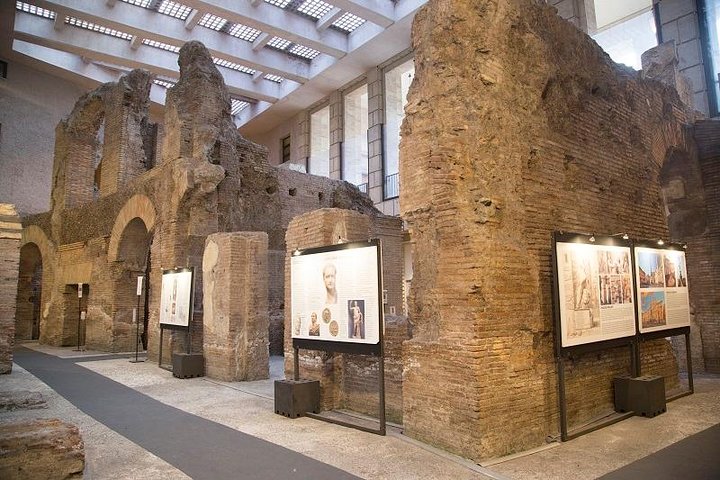


Descending into the Depths of History
As a former professor of European history, my travels often lead me to places where the past whispers through ancient stones and echoes in the corridors of time. Rome, the Eternal City, is a treasure trove of such experiences, and my recent visit to the Stadium of Domitian was no exception. Nestled beneath the bustling Piazza Navona, this underground tour offered a unique glimpse into the world of ancient Roman sports and architecture.
Upon descending five meters below street level, I was immediately struck by the atmosphere of the place. The air was cool and carried a faint scent of earth and stone, a reminder of the centuries that have passed since the stadium’s prime. The Stadium of Domitian, the first and only masonry stadium in Roman history, was a marvel of engineering and design. As I walked through the excavated ruins, I could almost hear the roar of the crowds and the thundering footsteps of athletes competing in ancient games.
The tour was enhanced by a multi-language audio guide, which provided fascinating insights into the history of the stadium and its significance in Roman culture. I was particularly intrigued by the stories of the athletes who once competed here, their feats immortalized in the annals of history. The guide also shed light on the transformation of the stadium into Piazza Navona, a vibrant hub of modern Roman life.
Art and Innovation in the Heart of Rome
While the ancient ruins were a highlight, my visit coincided with the XIV International Art Biennale, held within the museum. This event brought together a diverse array of contemporary artworks, each offering a unique perspective on modern issues. Among the many pieces on display, “Food War” by Saro Grimani stood out as a thought-provoking exploration of humanity’s relationship with food.
Grimani’s work was an immersive experience, combining interactive installations, projections, and performances to convey its message. The use of bright colors and unconventional materials captured my attention and sparked a deep reflection on the environmental and social impacts of large-scale food production. It was a powerful reminder of our individual responsibility to act sustainably in a world facing significant challenges.
The integration of contemporary art within the ancient setting of the Stadium of Domitian was a testament to the museum’s innovative approach. The juxtaposition of old and new created a dynamic dialogue between the past and present, inviting visitors to consider the continuity of human creativity and expression.
A Journey Through Time and Culture
The Museo Stadio Domiziano is more than just a museum; it is a portal to the past, offering a comprehensive overview of Roman history and culture. The museum’s design cleverly incorporates the archaeological remains, creating a seamless blend of history and modernity. Multimedia installations and interactive exhibits provide a deep immersion into the world of ancient Rome, making the experience accessible and engaging for visitors of all ages.
The museum staff, with their passion and expertise, were invaluable in enhancing my understanding of the exhibits. Their detailed explanations and willingness to answer questions added depth to my visit, allowing me to appreciate the nuances of Roman art and architecture. I was particularly impressed by the museum’s educational approach, which aims to engage visitors regardless of their prior knowledge of history.
For anyone with a love of history and art, a visit to the Museo Stadio Domiziano is a must. It offers a unique connection to ancient Rome and an opportunity to admire timeless masterpieces in a setting that is both magical and thought-provoking. As I left the museum, I felt a renewed appreciation for the enduring legacy of Roman civilization and a desire to continue exploring the hidden corners of Europe, where history comes alive in the most unexpected ways.


