Journey Through Bhutan: Embracing Tradition Amidst Snow-Clad Peaks
Drawn by the allure of Bhutan’s untouched traditions and majestic landscapes, I embarked on a journey to Phuentsholing. Join me as I explore the cultural tapestry of this Himalayan kingdom, from the bustling border town to the spiritual heights of Paro.

Arrival in Phuentsholing: A Gateway to Bhutan
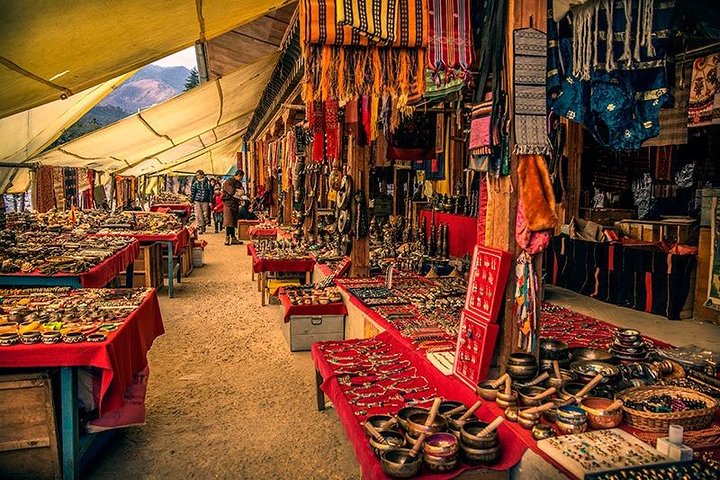
As I crossed the border from India into Bhutan, the bustling town of Phuentsholing welcomed me with open arms. The contrast between the two countries was immediately palpable, with Bhutan’s serene atmosphere enveloping me like a warm embrace. The town, a melting pot of cultures, offered a glimpse into the harmonious coexistence of Bhutanese and Indian influences. The vibrant markets, filled with the aroma of local spices and the chatter of friendly vendors, set the stage for the cultural immersion that awaited me.
Phuentsholing served as the perfect introduction to Bhutan’s unique blend of tradition and modernity. The town’s architecture, a fusion of traditional Bhutanese designs and contemporary structures, reflected the country’s commitment to preserving its heritage while embracing progress. As I wandered through the streets, I couldn’t help but feel a sense of anticipation for the journey ahead, eager to explore the untouched traditions and breathtaking landscapes that Bhutan promised.
Thimphu: A Cultural Odyssey
The drive to Thimphu, Bhutan’s capital, was a journey through time and nature. As we ascended the winding roads, the lush greenery and snow-clad mountains painted a picture of tranquility and majesty. Thimphu itself was a city where tradition met modernity, with ancient monasteries standing proudly alongside contemporary buildings.
One of the highlights of my time in Thimphu was visiting the Tashichho Dzong, a fortress that epitomizes Bhutan’s spiritual and political heritage. The Dzong, with its intricate woodwork and serene courtyards, was a testament to the country’s devotion to its cultural roots. As I explored the city, I was captivated by the National Memorial Chorten, a monument that stands as a symbol of peace and prosperity. The sight of locals circumambulating the chorten, lost in prayer, was a humbling reminder of the deep spirituality that permeates Bhutanese life.
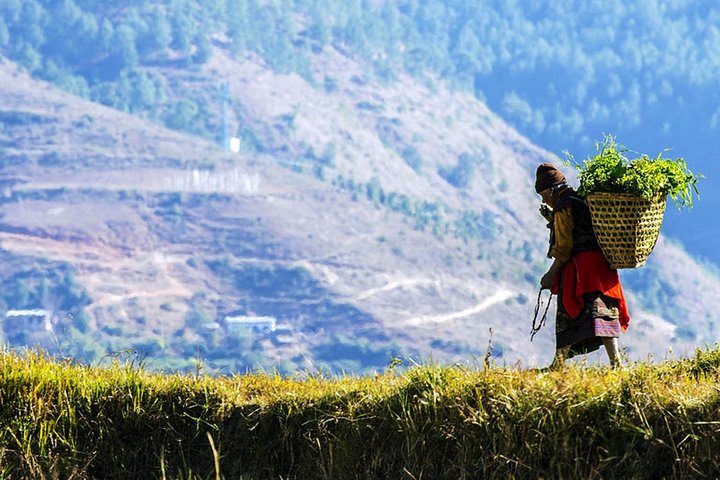
The Folk Heritage Museum offered a window into Bhutan’s rural traditions, showcasing the simplicity and beauty of a way of life that has remained unchanged for centuries. As I delved deeper into Thimphu’s cultural tapestry, I was struck by the warmth and hospitality of the Bhutanese people, whose smiles and stories enriched my journey.
Paro: The Heart of Bhutanese Spirituality
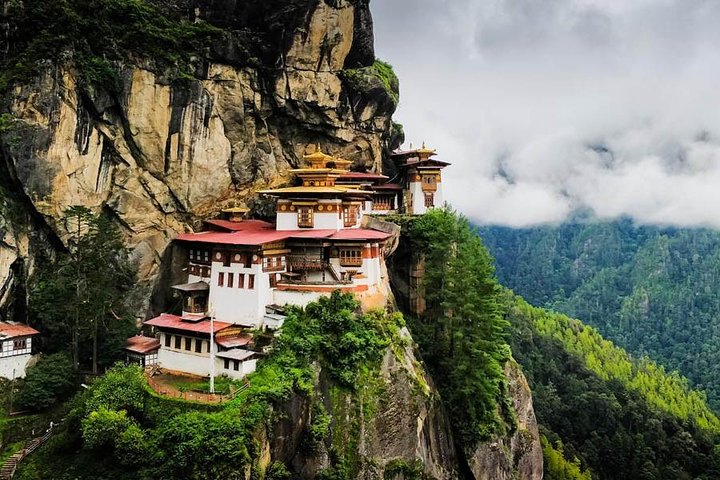
My journey culminated in Paro, a valley steeped in myth and legend. The drive to Paro was a visual feast, with the landscape transforming from verdant forests to the dramatic cliffs that define the region. Paro is home to some of Bhutan’s most revered spiritual sites, and my visit to the iconic Tiger’s Nest Monastery was a highlight of the trip.
The hike to Tiger’s Nest was a test of endurance and spirit, but the reward was worth every step. Perched precariously on a cliff, the monastery seemed to defy gravity, a testament to the faith and determination of those who built it. As I stood at the edge, gazing at the valley below, I felt a profound sense of peace and connection to the land.
In Paro, I also had the opportunity to explore the Rinpung Dzong and the National Museum, each offering insights into Bhutan’s rich history and artistic heritage. The town itself, with its traditional Bhutanese houses and the gentle flow of the Paro River, was a serene backdrop to my exploration.
As I prepared to leave Bhutan, I reflected on the journey that had taken me from the bustling streets of Phuentsholing to the spiritual heights of Paro. Bhutan, with its untouched traditions and breathtaking landscapes, had left an indelible mark on my heart, a reminder of the beauty and wisdom that can be found in the simple and the sacred.


