Unveiling Phnom Penh: A Journey Through Cambodia’s Heart and History
As a digital nomad exploring Southeast Asia, I was drawn to Phnom Penh’s rich history and culture. The Cambodia Culture and History Tour offered a profound journey through the city’s spiritual and historical landmarks, leaving me with a deeper understanding of its past.


Discovering the Heart of Cambodia
Phnom Penh, the bustling capital of Cambodia, is a city that holds a deep and complex history. As a digital nomad, I often find myself drawn to places that offer a rich tapestry of culture and history, and Phnom Penh did not disappoint. I embarked on the Cambodia Culture and History Tour to delve into the heart of this fascinating city, and it was an experience that left a lasting impression.
The tour began at Wat Phnom, a serene hilltop temple that stands as a symbol of the city’s spiritual heritage. As I climbed the steps, I was greeted by the sight of locals and tourists alike, offering prayers and lighting incense. The temple, founded by the legendary Grandma Penh, is a place of tranquility amidst the city’s hustle and bustle. It was a perfect introduction to the spiritual side of Cambodia, and I found myself reflecting on the stories and legends that have shaped this nation.
A Glimpse into Royalty
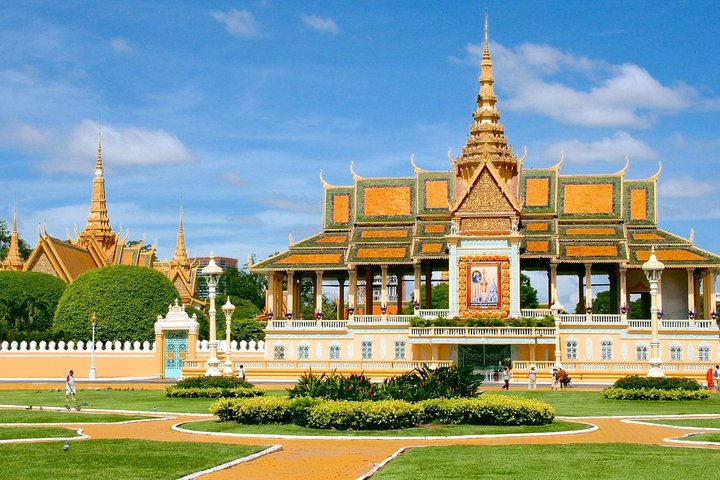
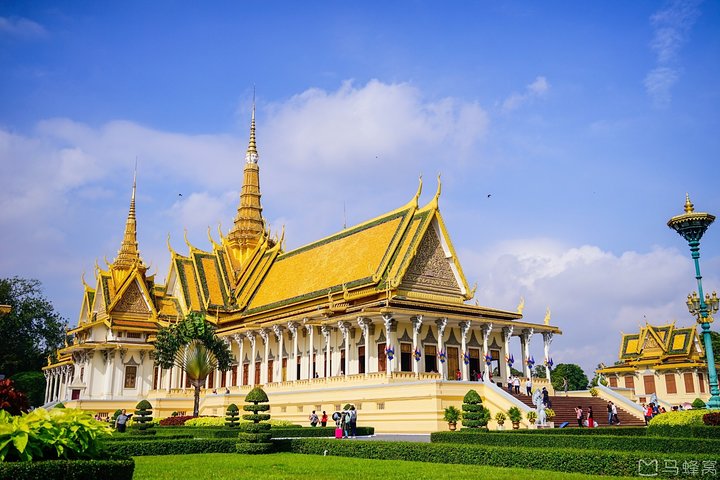
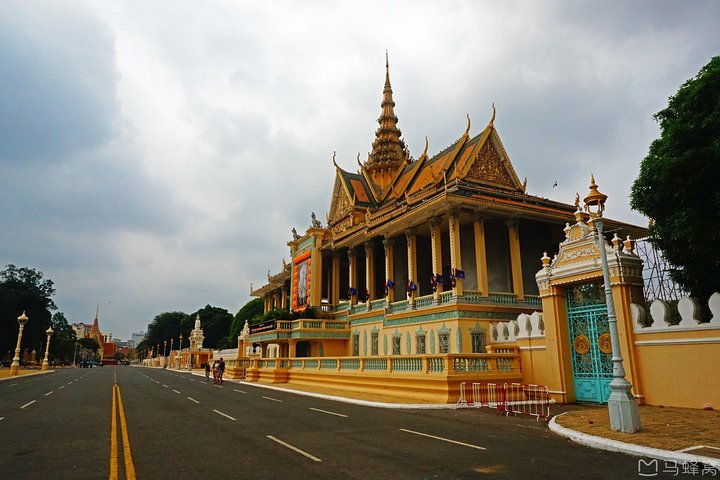
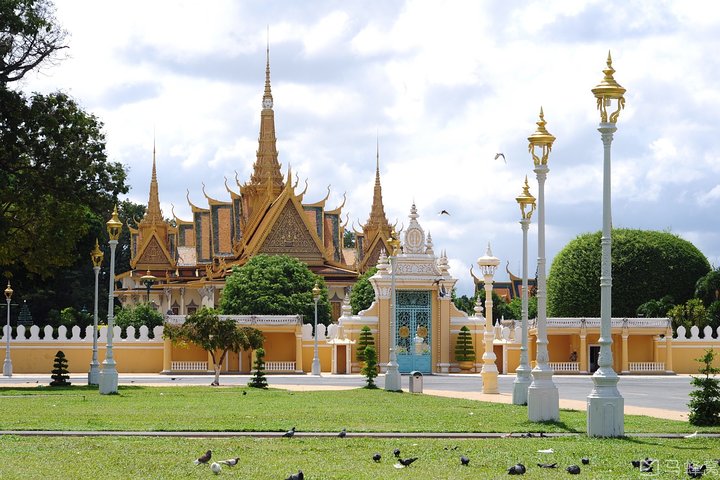
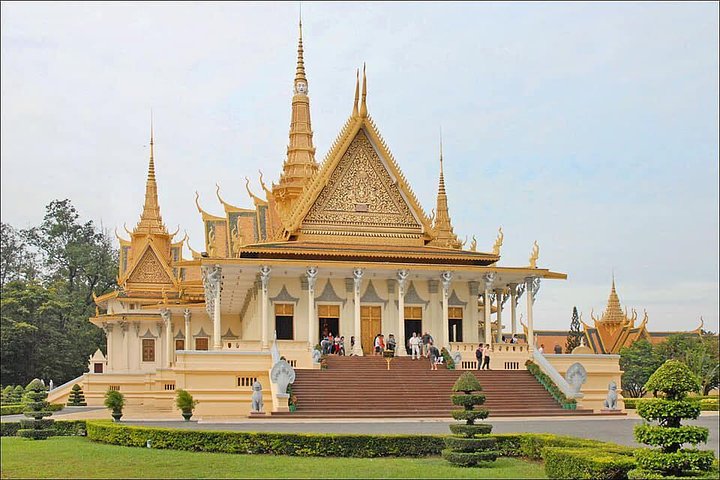
Next on the itinerary was the Royal Palace, a stunning complex that serves as the residence of the Cambodian royal family. The palace grounds are a sight to behold, with beautifully manicured gardens and gleaming spires that reach towards the sky. As I wandered through the Throne Hall and the Silver Pagoda, I was struck by the opulence and grandeur of the architecture. The Silver Pagoda, with its floor covered in 5,000 silver tiles, houses some of the country’s most cherished treasures, including a life-size gold Buddha adorned with thousands of diamonds.
The Royal Palace is not just a symbol of Cambodia’s monarchy but also a testament to the country’s resilience and cultural pride. Walking through the halls, I couldn’t help but feel a sense of awe at the history that these walls have witnessed. It was a reminder of the rich cultural heritage that Cambodia has to offer, and I felt privileged to be able to experience it firsthand.
Confronting the Past
The final part of the tour took us to the Tuol Sleng Genocide Museum and the Choeung Ek Killing Fields, sites that serve as stark reminders of Cambodia’s tragic past. The Tuol Sleng Genocide Museum, once a high school, was transformed into a prison by the Khmer Rouge regime. Walking through the corridors, I was confronted with the haunting photographs of the victims and the chilling remnants of the torture that took place within these walls.
The Choeung Ek Killing Fields, a short drive from the city, is a somber and peaceful place where thousands of victims were executed. The memorial stupa, filled with the skulls of the victims, stands as a poignant reminder of the atrocities that occurred. It was an emotional experience, and I found myself reflecting on the resilience of the Cambodian people and their ability to rebuild and move forward.
This tour was not just an exploration of Cambodia’s history but also a journey of reflection and understanding. It was a reminder of the importance of acknowledging the past while looking towards the future. For anyone visiting Phnom Penh, I highly recommend taking the time to experience this tour and gain a deeper understanding of the country’s rich and complex history.