Bhutan’s Hidden Treasures: A Journey Through Culture and Nature
Embarking on a journey to Bhutan, I sought a cultural immersion that would connect me deeply with the land and its people. Join me as I explore the breathtaking landscapes, ancient monasteries, and vibrant traditions of this mystical kingdom.


Arrival in Paro: A Warm Welcome
As I stepped off the plane in Paro, Bhutan, I was immediately enveloped by the crisp mountain air and the serene beauty of the landscape. The mist-covered mountains seemed to whisper ancient secrets, and I felt a deep sense of peace wash over me. My guide, Mr. Karma, and driver, Mr. Indra, greeted me with a traditional white scarf, a symbol of auspiciousness, setting the tone for the cultural immersion that awaited me.
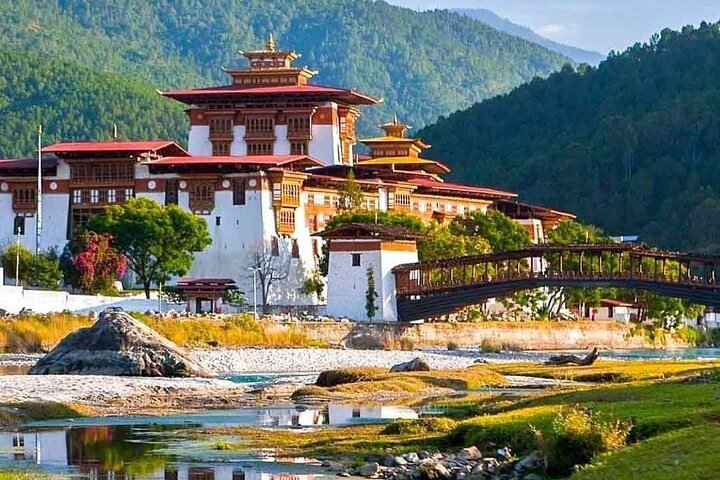
Our first stop was the Rinpung Dzong, a fortress that stands as a testament to Bhutan’s rich architectural heritage. Crossing the traditional wooden cantilever bridge, I was struck by the intricate paintings and the sense of history that permeated the air. The Dzong, known as the “fortress on a heap of jewels,” was a fitting introduction to the treasures of Bhutanese culture.
We then visited the Jangtsa Dumtseg Lhakhang, a unique temple built in the shape of a chorten. The temple’s extraordinary paintings and the legend of its construction by Thangtong Gyelpo added layers of intrigue to the experience. As I explored the temple, I couldn’t help but feel a connection to the spiritual energy that seemed to pulse through the very stones.
A Day in Thimphu: Tradition Meets Modernity
The next day, we embarked on a journey to Thimphu, Bhutan’s capital. The drive was a scenic delight, with lush forests and distant mountain peaks accompanying us along the way. Our first stop was the Buddha Dordenma, a gigantic statue that overlooks the Thimphu valley. Standing before this monumental figure, I felt a profound sense of calm and reflection.
In Thimphu, I had the opportunity to create a personalized postage stamp at the Bhutan Postal Museum, a delightful souvenir that captured the essence of my journey. We also visited the Tashichho Dzong, a majestic fortress that serves as the seat of the national government. The view from Dechenphodrang monastery was breathtaking, offering a panoramic vista of the Dzong and the surrounding valley.
A hike to the Wangdi-tse Monastery was a highlight of the day. The trail led us through fragrant pine forests, past local apple farms, and offered glimpses of the Buddha Dordenma statue. The monastery itself was a serene retreat, and I took a moment to meditate and absorb the tranquility of the surroundings.
The Tiger’s Nest: A Spiritual Ascent
The final day of my journey was dedicated to the iconic Tiger’s Nest Monastery, or Paro Taktsang. The hike to this sacred site was both challenging and rewarding, with each step bringing me closer to the clouds and the spiritual heart of Bhutan. The trail wound through forests of oak and rhododendron, and the sound of prayer flags fluttering in the wind accompanied me on my ascent.
Reaching the monastery, perched precariously on a cliffside, was a moment of triumph and awe. The view from the top was nothing short of spectacular, and I took a moment to reflect on the journey that had brought me here. Lunch at the Taktsang cafeteria provided a chance to savor traditional Bhutanese cuisine while soaking in the breathtaking scenery.
In the evening, I indulged in a traditional hot stone bath, a soothing experience that left me feeling rejuvenated. A game of local archery at a farmhouse, followed by a hearty dinner with the locals, was the perfect way to conclude my Bhutanese adventure.
As I prepared to depart, I felt a deep sense of gratitude for the experiences and connections I had made. Bhutan had not only opened its doors to me but had also opened my heart to its vibrant culture and timeless traditions. This journey was more than just a trip; it was a transformative experience that will remain etched in my memory forever.