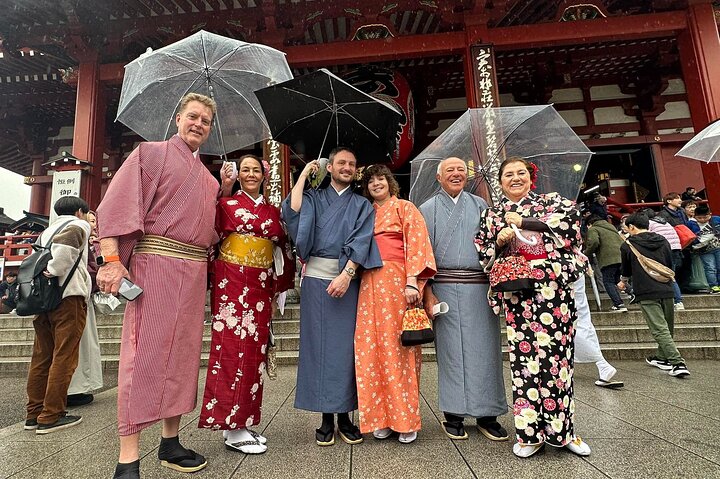
Embark on a 3-day food tour in Osaka, Kyoto, and Nara. Savor local specialties, explore iconic temples, and experience traditional tea ceremonies.
Embark on a 3-day food tour in Osaka, Kyoto, and Nara. Savor local specialties, explore iconic temples, and experience traditional tea ceremonies.
Osaka
Osaka Castle - Located in Chūō-ku, Osaka, Japan, Osaka Castle is a renowned Japanese castle. It is one of Japan’s most iconic landmarks and played a significant role in the unification of Japan during the Azuchi-Momoyama period in the sixteenth century.
Shinsekai Inari Shrine - Situated on the north side of Tsutenkaku, Inari Shrine was…
Osaka
Osaka Castle - Located in Chūō-ku, Osaka, Japan, Osaka Castle is a renowned Japanese castle. It is one of Japan’s most iconic landmarks and played a significant role in the unification of Japan during the Azuchi-Momoyama period in the sixteenth century.
Shinsekai Inari Shrine - Situated on the north side of Tsutenkaku, Inari Shrine was established to promote the prosperity of businesses in Shinsekai. Visitors can spin the stone roulette wheel to receive a number and read the corresponding fortune from a nearby board.
Sumiyoshi Taisha Shrine - Also known as Sumiyoshi Grand Shrine, Sumiyoshi-taisha is a Shinto shrine located in Sumiyoshi-ku, Osaka, Osaka Prefecture, Japan. It is the principal shrine of all Sumiyoshi shrines and lends its name to the Sumiyoshi-zukuri style of shrine architecture.
Sakai City Hall Observatory Floor - In Sakai City, the observation lobby on the 21st floor of Sakai City Hall had its hours reduced by two hours due to energy supply and demand issues and rising energy costs. However, starting July 1, 2024, the closing time will be extended to 9 p.m.
Sorraniwa Onsen Osaka Bay Tower - The “Clear Skin Bath” is a natural hot spring with slightly alkaline waters sourced from 1,000 meters below the earth’s surface.
Shinsaibashi-suji Shopping Street - Shinsaibashi-Suji Shopping Street, extending east to Mido-Suji Avenue, is Osaka’s most famous shopping area and a lasting symbol of the city. With a 380-year history, it was already a well-established shopping district during the Edo Period. The 600-meter-long roofed arcade features shops of all kinds, including traditional kimono tailors, western clothing and footwear retailers, restaurants, fast food outlets, jewelers, and boutiques with the latest fashions. Many enjoy a leisurely stroll through Shinsaibashi, window-shopping, and sampling the local cuisine.
Shitennoji - Shitennoji (四天王寺, Shitennōji) is one of Japan’s oldest temples and the first to be built by the state. Founded in 593 by Prince Shotoku, who advocated for Buddhism in Japan, the temple’s buildings have been reconstructed multiple times over the centuries to maintain the original 6th-century design.
Nara
Nara Park - Nara Park, along with Naramachi and Nishinokyo, is a must-visit area in Nara City. Spanning 660 hectares, it is famous for its free-roaming deer and world-renowned temples. Feeding the deer is a popular activity, with special crackers available throughout the park. Visitors can also enjoy refreshments at traditional tea houses and kiosks offering snacks and souvenirs.
Todai-ji Temple - Todaiji Temple, featuring a 15-meter-high Buddha, is the most prestigious of Nara’s seven great temples and attracts a constant flow of visitors. Enter through Nandaimon Gate to see its two 8-meter-tall guardian figures with impressive physiques. Behind the temple, Nigatsudo offers beautiful views of the city.
Kasuga Taisha Museum - The Kasuga Taisha Museum, a modern building near the main shrine, houses exquisite artifacts, including makie lacquer boxes inlaid with gold, rare swords, samurai armor, and artworks.
Naramachi - Naramachi (奈良町, literally “Nara Town”) is Nara’s former merchant district, where several traditional residential buildings and warehouses are preserved and open to the public. The district’s narrow lanes are lined with boutiques, shops, cafes, restaurants, and a few museums.
Nara National Museum - Located in Nara, which was Japan’s capital from 710 to 784, the Nara National Museum features a building designed by Katayama Tōkuma (1854–1917), a representative Western-style structure from the Meiji period, designated as an Important Cultural Property in Japan. A supplemental building was designed by Junzō Yoshimura (1908–1997) in 1973.
Nara Palace Site Historical Park - The capital Heijo-kyo was established at the site of present-day Nara city approximately 1,300 years ago. The Ritsuryo codes provided a legal framework for the nation, and Tempyo culture thrived in and around the city. During the 74 years of the Nara period, the city was the center of Japanese political and cultural life. The Daigokuden (Imperial Audience Hall) and Chodo-in, used for political and ceremonial purposes, were located in the center of Heijo-kyo, along with the emperor’s palace and government agencies.
Isuien Garden and Neiraku Museum - Isuien (依水園) is a charming Japanese garden featuring elements like the use of Todaiji Temple’s Nandaimon Gate and Mount Wakakusayama as “borrowed scenery.” The name Isuien means “garden founded on water,” as its ponds are fed by the nearby Yoshikigawa River. The Yoshikien Garden is situated just across the river.
Kyoto
Kyoto Imperial Palace - In Japan, the Sentō Imperial Palace traditionally refers not to a single location but to any residence of retired emperors. Before Akihito’s abdication in 2019, the last Emperor to retire did so in 1817, so the term commonly refers to the historical Kyoto Sento Imperial Palace.
Nishiki Market Shopping District - Nishiki Market, located in downtown Kyoto on the east end of Nishikikōji Street, is one block north and parallel to Shijō Street and west of Teramachi Street. Rich in history and tradition, the market is renowned for offering many of Kyoto’s famous foods and goods.
Sanjusangendo Temple - Sanjūsangen-dō is a Buddhist temple of the Tendai sect in Kyoto’s Higashiyama district. Founded in 1164 by Taira no Kiyomori for the cloistered Emperor Go-Shirakawa, it is officially known as Rengeō-in and is part of the Myōhō-in temple complex.
Gion - Gion is Kyoto’s geisha district, where hostesses in colorful kimonos are often seen on the wooden Tatsumi Bridge or among upscale Japanese restaurants and boutiques on Hanamikoji Street. Gion Corner hosts traditional Kyomai dances, while Kennin-ji Temple is known for its Zen garden, and Yasaka Shrine features seasonal festivals in a lantern-lit courtyard. Nightlife ranges from quiet sake bars to lively, pub-like izakayas.
Kiyomizu-dera Temple - Kiyomizu-dera is a Buddhist temple in eastern Kyoto, Japan. It is part of the Historic Monuments of Ancient Kyoto UNESCO World Heritage Site.
Fushimi Inari Taisha - With origins dating back to the 8th century, Fushimi Inari Taisha is the headquarters of approximately 30,000 Inari shrines across the country. Located on and around Mt. Inari, the shrine complex includes easily accessible worship halls at the mountain’s base, connected by paths lined with vermilion torii gates that wind up the wooded heights to more remote inner shrines, offering surprises that require some hiking to reach.
Kinkakuji Temple - Kinkaku-ji, officially known as Rokuon-ji, is a Zen Buddhist temple in Kyoto, Japan. It is one of Kyoto’s most popular buildings, attracting numerous visitors each year.

- English and Japanese Speaking Guide
- Public Transportation
- Snacks & Desserts
- Water & Soft Drinks
- 3 Days Walking Tours in 3 Cities
- English and Japanese Speaking Guide
- Public Transportation
- Snacks & Desserts
- Water & Soft Drinks
- 3 Days Walking Tours in 3 Cities
- Alcholic Drinks ( Availble to purchase from 21 years old)
- Alcholic Drinks ( Availble to purchase from 21 years old)
Explore the essence of Osaka’s culinary scene by tasting a variety of local delicacies. Delight in the savory delight of okonomiyaki, a substantial pancake filled with cabbage, seafood, and your choice of toppings. Enjoy the rich taste of takoyaki, octopus balls, served with a tangy sauce and mayonnaise. Be sure to try kushikatsu, deep-fried skewers,…
Explore the essence of Osaka’s culinary scene by tasting a variety of local delicacies. Delight in the savory delight of okonomiyaki, a substantial pancake filled with cabbage, seafood, and your choice of toppings. Enjoy the rich taste of takoyaki, octopus balls, served with a tangy sauce and mayonnaise. Be sure to try kushikatsu, deep-fried skewers, paired with a selection of dipping sauces.
Discover the refined elegance of Kyoto cuisine by savoring the delicate flavors of kaiseki, a multi-course meal that highlights the finest seasonal ingredients. Enjoy the subtle sweetness of matcha, powdered green tea, served in a tranquil tea house. Don’t miss the chance to try yuba, tofu skin, celebrated for its delicate texture and subtle flavor.
Learn more about the vibrant city of Kyoto. Experience the grace of geisha districts and the tales of samurai. Visit iconic temples like Kinkaku-ji and Fushimi Inari Shrine. Witness the artistry of traditional tea ceremonies.
For a full refund, cancel at least 24 hours before the scheduled departure time.
For a full refund, cancel at least 24 hours before the scheduled departure time.