Exploring Sri Lanka’s Southern Coast: A Journey of Beauty and Conservation
Drawn by the promise of stunning beaches and rich heritage, I embarked on a Galle Coastal Tour from Negombo. Join me as I explore the vibrant culture, breathtaking landscapes, and inspiring conservation efforts of Southern Sri Lanka.





Embracing the Coastal Beauty of Southern Sri Lanka
The allure of Sri Lanka’s southern coast had long been on my radar, and the opportunity to explore it through the Galle Coastal Tour was one I couldn’t resist. As an advocate for sustainable travel, I was eager to see how this tour would align with my values. The journey began in Negombo, a vibrant town known for its picturesque beaches and colonial architecture. Our driver, a courteous and patient guide, ensured that the day unfolded at a relaxed pace, allowing us to fully immerse ourselves in the surroundings.
Negombo’s charm was evident from the start, with its bustling fish markets and the gentle hum of local life. The town’s rich history and diverse culture were palpable, offering a blend of relaxation and adventure. As we set off towards Galle, the anticipation of discovering the southern coast’s hidden gems filled the air. The drive itself was a visual feast, with coconut palm-fringed beaches and lush landscapes painting a picture of serene beauty.
A Journey Through Nature and Heritage
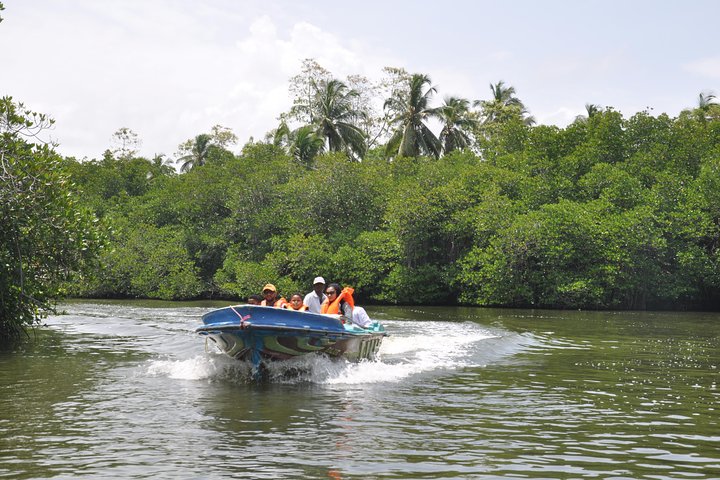
Our first major stop was the Madu Ganga, a serene river renowned for its biodiversity. The boat ride through the mangrove forests was a highlight, offering a glimpse into the intricate ecosystem that thrives here. The river’s channels and islets were alive with avian life and diverse flora, a testament to the region’s natural wealth. It was heartening to see how the local communities have embraced sustainable practices, using the river as a source of livelihood while preserving its ecological balance.
Continuing our journey, we arrived at the historic Galle Fort, a UNESCO World Heritage Site. Walking through its cobblestoned streets, I was transported back in time, surrounded by the remnants of Portuguese and Dutch colonial architecture. The fort’s preservation is a remarkable example of how heritage sites can be maintained while still being accessible to travelers. The Maritime Museum and Galle National Museum offered further insights into the area’s rich history, making it a must-visit for anyone interested in cultural heritage.
A Commitment to Conservation
One of the most inspiring aspects of the tour was our visit to the Sea Turtle Hatchery Centre in Mahamodara. This sanctuary is dedicated to the conservation of endangered sea turtles, and witnessing their efforts firsthand was a moving experience. The center’s educational programs highlight the importance of preserving these magnificent creatures, and I was impressed by their commitment to raising awareness about marine conservation.
The tour also included a stop at Meetiyagoda, known for its moonstone mines. Here, I learned about the traditional methods of gem extraction and the challenges faced by the miners. It was a reminder of the importance of supporting ethical practices in the industry, ensuring that local communities benefit from their natural resources without compromising their environment.
As the day drew to a close, we found ourselves at Hikkaduwa Beach, a vibrant stretch of golden sand framed by swaying palm trees. The beach’s lively atmosphere was infectious, with travelers from around the globe enjoying the sun, sea, and local culture. It was the perfect end to a day filled with discovery and reflection, a reminder of the beauty and diversity that Sri Lanka has to offer.
This tour was not only a journey through stunning landscapes and rich history but also a testament to the power of sustainable travel. By choosing experiences that prioritize conservation and community engagement, we can explore the world while preserving its natural beauty for future generations.


