Exploring the Spiritual Essence of Mt. Fuji’s Environs
Drawn by the allure of Mt. Fuji’s spiritual significance, I embarked on a private tour to explore the sacred mountain’s surroundings. Despite the clouds, the journey revealed the region’s cultural richness and natural beauty.




A Journey to the Sacred Base of Mt. Fuji
The anticipation of visiting Mt. Fuji, a symbol of Japan’s natural beauty and spiritual significance, had been building up for quite some time. As someone who has always been deeply connected to Japanese culture, the opportunity to explore the area surrounding this iconic mountain was a dream come true. The day began with a sense of excitement as I embarked on the Mt. Fuji Tour, a private tour that promised to reveal the hidden gems of the region.
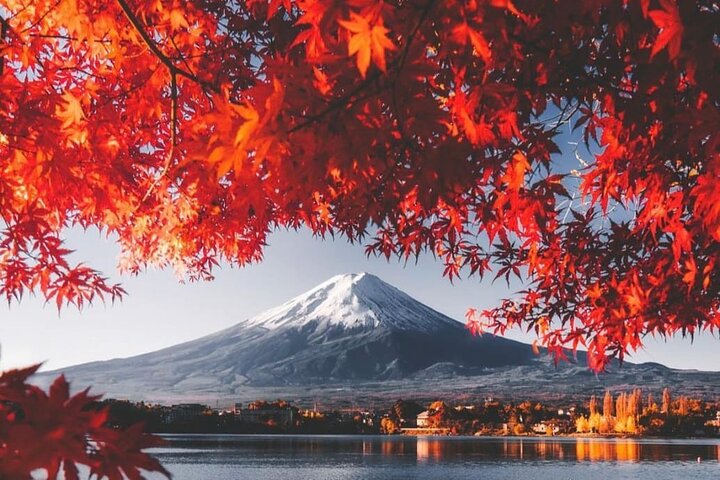
Our guide, Usman, greeted us with a warm smile and a wealth of knowledge about the area. As we drove through the picturesque countryside, he shared stories of Mt. Fuji’s significance in both Shinto and Buddhist traditions. The mountain, revered as a sacred site, has been a destination for pilgrims for centuries. Despite the clouds obscuring the peak, the base of Mt. Fuji stood majestically, reminding us of its grandeur and the spiritual aura that surrounds it.
The journey took us to the Fuji Five Lakes, where the serene waters mirrored the lush greenery around them. Each lake had its own unique charm, and the tranquility of the surroundings was a welcome escape from the bustling city life. As we strolled along the shores of Lake Kawaguchiko, I couldn’t help but feel a deep sense of peace and connection to nature.
Embracing the Cultural Richness of the Region
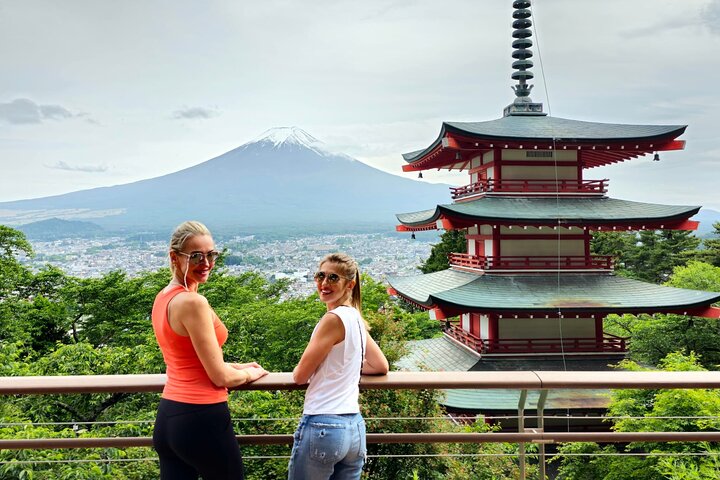
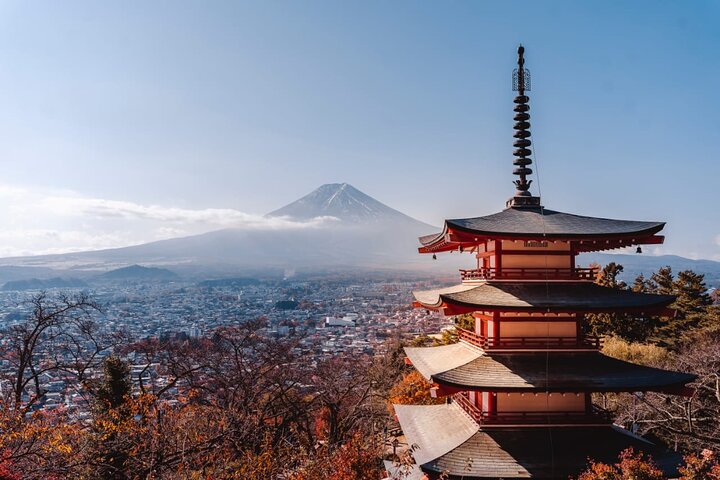
Our next stop was the Chureito Pagoda, a five-storied pagoda that offers a breathtaking view of Fujiyoshida City and, on clear days, Mt. Fuji in the distance. Although the clouds lingered, the pagoda itself was a sight to behold. Built as a peace memorial, it stands as a testament to the region’s rich history and cultural heritage.
Climbing the nearly 400 steps to the pagoda was a meditative experience, each step bringing me closer to the spiritual essence of the place. The view from the top, even without the mountain in sight, was awe-inspiring. The city below, framed by the lush landscape, seemed to stretch out endlessly, a reminder of the harmonious coexistence of nature and human life.
As we continued our journey, Usman guided us to Oshino Hakkai, a collection of eight ponds fed by the pure snowmelt from Mt. Fuji. The crystal-clear waters, revered by locals, reflected the sky and surrounding foliage, creating a mesmerizing scene. Walking through the village, I was struck by the simplicity and beauty of rural Japanese life, a stark contrast to the urban environment I was accustomed to.
A Day of Reflection and Connection
The tour concluded with a visit to Saiko Iyashi no Sato Nemba, a reconstructed traditional village that offers a glimpse into Japan’s past. With Mt. Fuji as a backdrop, the thatched-roof houses and local artisans showcased the enduring traditions of the region. Here, I had the opportunity to don a kimono, immersing myself in the cultural experience and feeling a profound connection to my heritage.
As the day came to an end, I reflected on the journey and the lessons it imparted. The clouds may have obscured the peak of Mt. Fuji, but they did not diminish the beauty and significance of the experience. The tour was a reminder of the importance of embracing the journey, rather than focusing solely on the destination.
For those seeking a deeper understanding of Japan’s cultural and natural wonders, the Mt. Fuji Tour offers an unforgettable experience. It is a journey that transcends the physical landscape, inviting you to explore the spiritual and cultural depths of this remarkable region.