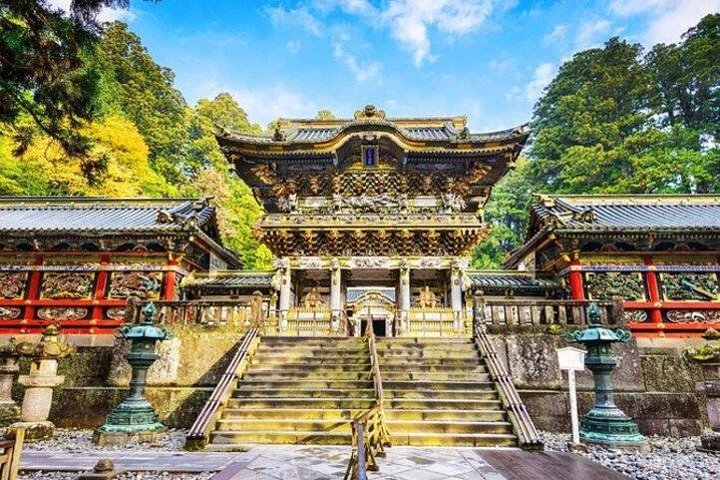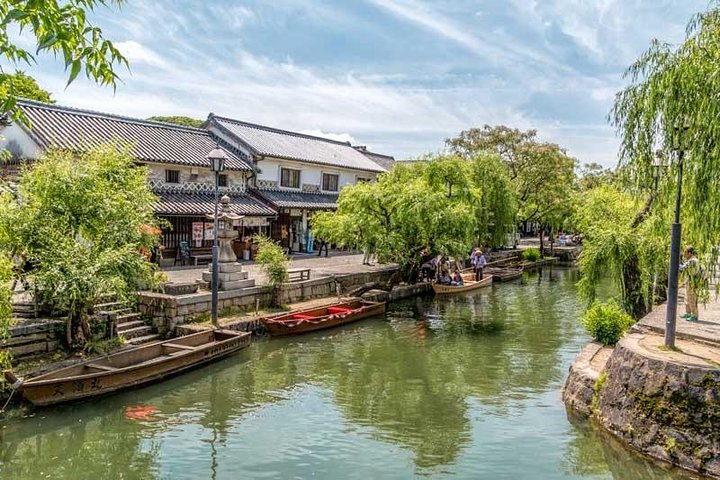


Experience the beauty and history of Nagano on a half-day private tour with a licensed guide. Customize your itinerary and explore historic districts and ancient pilgrimages.
Experience the beauty and history of Nagano on a half-day private tour with a licensed guide. Customize your itinerary and explore historic districts and ancient pilgrimages.
-
Zenko-ji Temple - [Zenko-ji Area]
Established in 642, Zenko-ji is among Japan’s oldest and most significant Buddhist temples. Located less than a 20-minute walk from Nagano Station, visitors can follow the historic ‘Omotesando’ or ‘Pilgrim’s Way’ to reach the temple. Upon arrival, guests will find one of Japan’s most inviting temples. The main…
-
Zenko-ji Temple - [Zenko-ji Area]
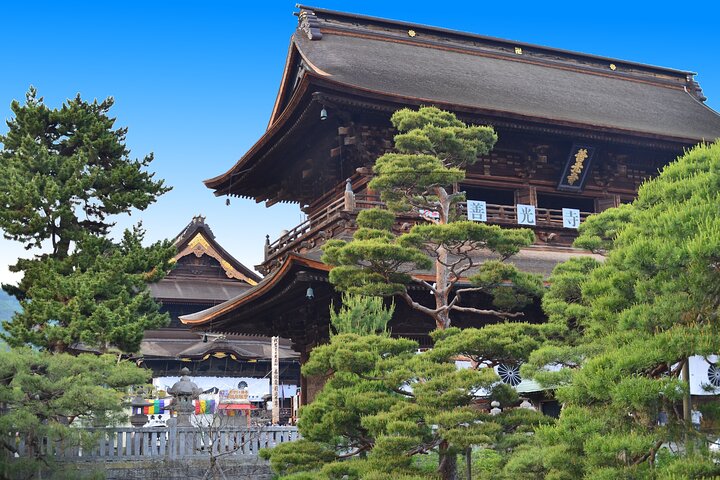
Established in 642, Zenko-ji is among Japan’s oldest and most significant Buddhist temples. Located less than a 20-minute walk from Nagano Station, visitors can follow the historic ‘Omotesando’ or ‘Pilgrim’s Way’ to reach the temple. Upon arrival, guests will find one of Japan’s most inviting temples. The main temple, a registered National Treasure, houses Japan’s oldest known Buddhist statue and serves as the spiritual center of the region. A daily morning ceremony welcomes visitors of all faiths and backgrounds, and the temple hosts several major festivals annually.
*An admission fee is required for Hondo-Naijin, San-mon, and Kyozo.
- Zenko-ji Temple Nakamisedori - [Zenko-ji Area]Zenko-ji Nakamise-dori Street is a stone-paved path extending from the Nio-mon Gate of Zenko-ji Temple. It is believed that approximately 7,777 stones were used to pave the 450-meter approach to the temple’s main hall.
The street is a lively shopping area where shops offer local specialties such as Oyaki, Shinshu Soba noodles, sweet crepes made from Soba and wheat flour, and Miso-flavored ice cream.
- Nishimon Yoshinoya - [Zenko-ji Area]Nishi-no-Mon is a sake brewery in Nagano that also features a gift shop, museum, and restaurant.
Visitors can tour the brewery and museum to view a collection of old photographs depicting the brewery’s history, as well as ancient and modern brewing equipment. At the tour’s conclusion, guests can sample sake, a type of Japanese rice wine, and purchase bottles as souvenirs.
-
Nagano Prefectural Shinano Art Museum Higashiyama Kaii Gallery - [Zenko-ji Area]
The Nagano Prefectural Art Museum, situated near Zenkoji Temple, displays modern and contemporary art inspired by nature and Nagano’s landscape. Its open, light-filled design complements the surrounding scenery, providing visitors with a tranquil cultural experience through exhibitions, installations, and outdoor art spaces that connect art with nature. -
Joyama Park - [Zenko-ji Area]
Joyama Park, located on a small hill near Zenkoji Temple in Nagano, offers stunning seasonal scenery, from cherry blossoms in spring to vibrant foliage in autumn. The park features walking trails, open lawns, and a serene atmosphere, making it a popular spot for locals and visitors to relax and enjoy nature. -
Matsushiro Castle - [Matsushiro Area]
The Matsushiro Castle Ruins preserve the heritage of the Sanada clan, former rulers of the Matsushiro Domain. Surrounded by moats, stone walls, and reconstructed gates, the site provides a glimpse into Japan’s feudal history. Visitors can wander through the tranquil grounds and enjoy beautiful views of the surrounding mountains. -
Zozan Shrine - [Matsushiro Area]
Matsushiro Zozan Shrine commemorates Sakuma Shozan, a visionary scholar from the late Edo period who advocated for the integration of Western science and Japanese spirit. The peaceful shrine grounds reflect his forward-thinking legacy, and visitors can learn about his life and contributions to Japan’s modernization. -
Sanada Treasure Museum - [Matsushiro Area]
The Sanada Treasure Museum showcases artifacts and historical materials from the Sanada clan, including samurai armor, weapons, documents, and artworks. Through these valuable exhibits, visitors can explore the clan’s influential role in Japanese history and the legacy of loyalty, bravery, and culture they left behind. -
Sanada House - [Matsushiro Area]
The Sanada Residence, constructed in the late Edo period, served as the home of the Sanada clan’s later generations. The traditional wooden architecture, tatami rooms, and elegant gardens highlight the refined lifestyle of a samurai family. It offers a rare opportunity to experience authentic samurai-era culture and design. -
Matsushiro Zozan Chikago - [Matsushiro Area]
The Zozan Underground Bunker, built during World War II, was intended as a secret military command center. This extensive network of tunnels carved into the mountain remains largely intact, serving as a powerful reminder of Japan’s wartime history and the nation’s resilience during challenging times. - Former Yokota Residence - [Matsushiro Area]The Yokota Residence is a beautifully preserved samurai house that belonged to a high-ranking retainer of the Sanada clan. Its elegant wooden structure, tatami rooms, and gardens reflect the dignity of the Edo-period warrior class and provide an intimate look into traditional samurai life.
-
Matsushiro Literary and Military School - [Matsushiro Area]
The Matsushiro Bunbu School was an educational institution for samurai, established to teach both literary and martial arts. Visitors can see the original buildings, including classrooms and a dojo, which illustrate the strict yet balanced training philosophy that shaped the samurai spirit in the Edo period. -
Jozan Yamadera Historic Residence - [Matsushiro Area]
The Yamadera Jozan Residence was the home of the scholar and strategist Jozan Yamadera, known for his service to the Sanada clan. The well-preserved house and garden reflect his intellectual and cultural refinement, offering visitors a quiet place to appreciate the aesthetics of Edo-period life. -
Hokusai-kan - [Obuse Area]
The Hokusai-kan Museum in Obuse celebrates the life and art of Katsushika Hokusai, Japan’s iconic ukiyo-e master. It displays his dynamic paintings and sketches created during his later years in Obuse. Visitors can appreciate rare works that reveal Hokusai’s deep connection with the town and his enduring creative spirit. -
Matsubaya Honten - [Obuse Area]
Matsubaya Honten is a historic sake brewery in Obuse, established in the Edo period and relocated here in 1889. Housed in a 200-year-old building with a red-brick chimney, it produces a range of crafted sakes using traditional steaming and a wagama boiler—inviting visitors to taste regional flavors and brewery heritage. -
Joko-ji Temple - [Obuse Area]
Jokoji Temple, located in Obuse, is known for its peaceful atmosphere and historical charm. The temple grounds feature centuries-old trees and traditional architecture. It offers visitors a tranquil space for reflection and a glimpse into Obuse’s spiritual and cultural heritage surrounded by nature. - Ganshoin Temple - [Obuse Area]Ganshoin Temple is renowned for its magnificent ceiling painting of a phoenix by Hokusai, completed when he was in his 80s. The temple combines artistic brilliance with spiritual serenity, allowing visitors to admire Hokusai’s genius while experiencing the peaceful beauty of its natural surroundings.
-
Obuse Museum Nakajima Chinami Hall - [Obuse Area]
The Obuse Museum showcases the town’s artistic and cultural heritage through rotating exhibitions of local and contemporary art. Connected to the Takai Kozan Memorial Museum, it highlights Obuse’s creative spirit. The museum’s modern design and surrounding gardens make it a serene and inspiring cultural destination. - Kurino Komichi - [Obuse Area]Kurino Komichi, or “Chestnut Lane,” is a picturesque street in Obuse lined with chestnut trees and traditional buildings. It reflects the town’s warm, nostalgic charm, with cafes, shops, and museums along the way. The path invites visitors to stroll leisurely and enjoy Obuse’s blend of art and nature.
- Kozan Takai Memorial Museum - [Obuse Area]The Kozan Takai Memorial Museum honors Takai Kozan, a scholar, painter, and close friend of Hokusai. His preserved residence and studio exhibit his artworks, calligraphy, and personal items. The museum offers insight into the cultural exchange between Takai and Hokusai, reflecting Obuse’s rich artistic history.

- Meet up with guide on foot within designated area of Nagano
- Licensed Local English Speaking Guide
- Customizable Tour of your choice of 2-3 sites from ‘What to expect’ list
- Meet up with guide on foot within designated area of Nagano
- Licensed Local English Speaking Guide
- Customizable Tour of your choice of 2-3 sites from ‘What to expect’ list
- Transportation fees, Entrance fees, Lunch, and Other personal expenses
- Private Vehicle
- You cannot combine multiple tour groups.
- Guide Entry fees are only covered for sights listed under itinerary list
- Transportation fees, Entrance fees, Lunch, and Other personal expenses
- Private Vehicle
- You cannot combine multiple tour groups.
- Guide Entry fees are only covered for sights listed under itinerary list
The city of Nagano is an intensely beautiful and historic part of Japan, only a stone’s throw away from the capital city of Tokyo. Nagano is a place of incredible Shinto and Buddhist history and home to one of Japan’s most iconic temple and shrine. While many of Japan’s cities lay claim to an identity of nature-meets-human-invention, that atmosphere can…
The city of Nagano is an intensely beautiful and historic part of Japan, only a stone’s throw away from the capital city of Tokyo. Nagano is a place of incredible Shinto and Buddhist history and home to one of Japan’s most iconic temple and shrine. While many of Japan’s cities lay claim to an identity of nature-meets-human-invention, that atmosphere can be felt in Nagano better than almost anywhere else in Japan.
In this tour, your knowledgeable licensed local guide will accompany you on your journey features an historic districts and even ancient pilgrimages. Let us know what you would like to experience and we will customize your four-hours special tour that’s best for you.
Note1: You will not be able to visit all the sights on the tour. You must choose 2 to 3 sights and inform your guide.
Note2: The National Government Licensed Guide Interpreter certification is issued by the Japanese government requires a good knowledge and understanding of Japanese culture and history.
- Tour dates can be changed up to 2 days before the tour. Any tour date change may result in a change of tour guide or tour unavailability.
- This is a walking & public transportation tour only.
- This is a walking tour. Pick up is on foot.
For a full refund, cancel at least 24 hours before the scheduled departure time.
For a full refund, cancel at least 24 hours before the scheduled departure time.