Chiang Rai’s Artistic and Cultural Odyssey: A Luxurious Exploration
Drawn by the allure of Chiang Rai’s artistic and cultural treasures, I embarked on an exclusive tour that promised a seamless blend of tradition and modernity. From the iconic White Temple to the serene Blue Temple, and the lush tea plantations, this journey through Northern Thailand was a feast for the senses.


A Journey Through Artistic Marvels
The allure of Chiang Rai had long beckoned me, and the promise of an exclusive tour through its famed temples and artisan enclaves was irresistible. As someone who has spent years immersed in the world of luxury travel, I was eager to explore the unique blend of tradition and modernity that this region promised. Our journey began with a visit to the iconic Wat Rong Khun, or the White Temple. This architectural masterpiece, crafted by the visionary Chalermchai Kositpipat, is a testament to the fusion of contemporary art and traditional Thai culture. The temple’s exterior, a dazzling white adorned with intricate details, was nothing short of breathtaking. While the interior’s modern pop-culture murals were a departure from the traditional, they added a layer of intrigue to the experience. The temple stood as a symbol of artistic genius, a gift to the artist’s hometown, and a must-visit for any art aficionado.
Next, we ventured to Wat Rong Suea Ten, the Blue Temple. This relatively new addition to Chiang Rai’s temple circuit is a vibrant spectacle of blue hues and intricate artistry. The temple’s serene beauty was complemented by the delightful butterfly-pea “blue” coconut ice cream from a nearby stall, a refreshing treat that perfectly encapsulated the essence of this unique locale. The Blue Temple, with its captivating design and tranquil ambiance, was a highlight of our journey, offering a glimpse into the evolving landscape of Thai temple architecture.
Cultural Immersion and Artisan Encounters
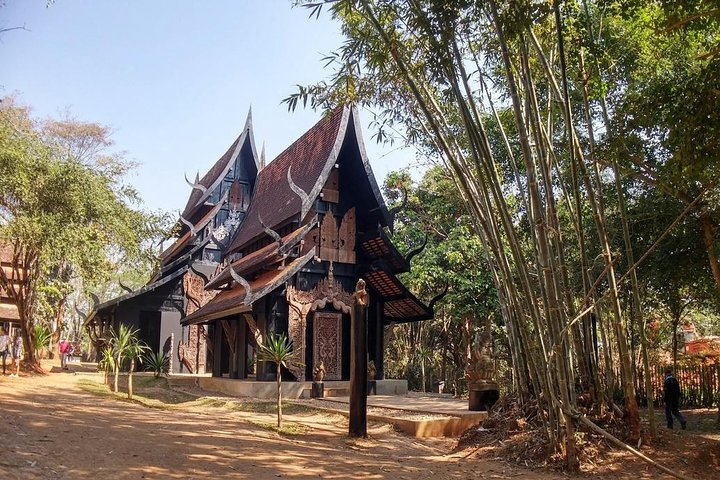
Our exploration of Chiang Rai extended beyond its temples, delving into the rich tapestry of local culture and craftsmanship. The Baan Dam Museum, or the Black House, was an eclectic fusion of art and culture, though I chose to explore the surrounding countryside instead. The peaceful walk through lush landscapes and a visit to a charming local shop provided a serene counterpoint to the museum’s darker themes.
A visit to the Longneck Karen Village offered a fascinating insight into the lives of the Padaung people. While the experience was somewhat touristy, it was a respectful observation of a resilient community and their enduring cultural heritage. The village was a testament to the diversity and richness of Northern Thailand’s cultural landscape.
The Choui Fong Tea Plantation was another highlight, nestled amidst the high-altitude hills. The lush green vistas and the opportunity to savor exquisite teas and tea-based desserts made for a truly indulgent experience. The plantation’s serene ambiance and the meticulous process of tea cultivation were a testament to the region’s dedication to quality and tradition.
Historical Insights and Scenic Splendor
Our journey culminated at the Golden Triangle, a region steeped in history and natural beauty. Standing at the confluence of Thailand, Laos, and Myanmar, the panoramic views of the Mekong River were awe-inspiring. The area’s quiet charm and the large golden Buddha added to its allure, making it a superb destination for those seeking both history and tranquility.
The House of Opium Museum provided a captivating glimpse into the region’s past, offering insights into the opium trade that once dominated this area. The museum’s collection of opium paraphernalia and memorabilia was both informative and engaging, shedding light on a controversial yet significant aspect of the region’s history.
This Chiang Rai Escape was a meticulously curated journey through the heart of Northern Thailand, offering a seamless blend of luxury, culture, and history. Each stop on our itinerary was a testament to the region’s rich heritage and artistic innovation, leaving me with memories that will linger long after the journey’s end.