Lusail and Doha: A Journey Through Qatar’s Past, Present, and Future
Drawn by the allure of Qatar’s cultural tapestry and futuristic vision, I embarked on a journey to Lusail and Doha. Join me as I explore the fusion of tradition and modernity in these captivating cities.


Lusail: A Glimpse into Qatar’s Future
As I embarked on my journey to Lusail, a city that is still in the making, I was filled with anticipation. Known as one of the host cities for the FIFA World Cup 2022, Lusail is a testament to Qatar’s vision for the future. The city, with its futuristic architecture and ambitious projects, offers a unique blend of tradition and modernity.
Upon arrival, I was immediately struck by the grandeur of the Lusail Iconic Stadium. Its design, inspired by traditional Middle Eastern bowls, is a marvel of modern architecture. The stadium, with a capacity of 80,000, stands as a symbol of Qatar’s commitment to hosting world-class events. As I stood there, I couldn’t help but imagine the energy and excitement that would fill the stadium during the World Cup.
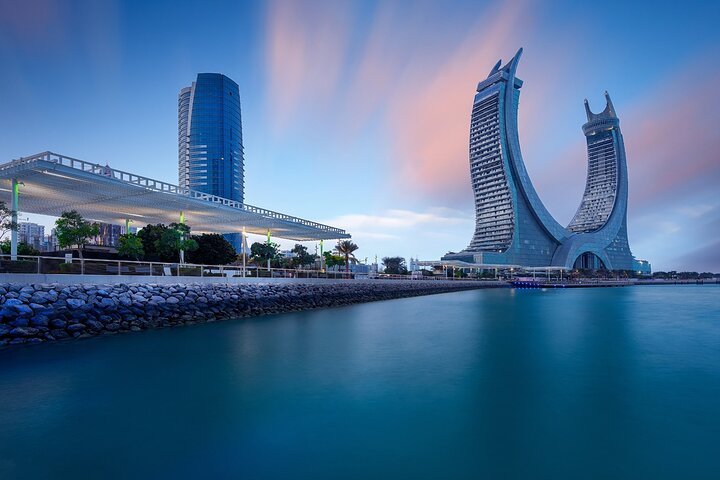
The city itself, though not fully built, is a canvas of innovation. The Katara Towers, with their intertwining design, pay homage to Qatar’s cultural heritage while embracing a modern aesthetic. As I wandered through the city, I was captivated by the seamless integration of traditional elements with contemporary design. Lusail is not just a city; it is a vision of what the future holds for Qatar.
The Cultural Tapestry of Doha
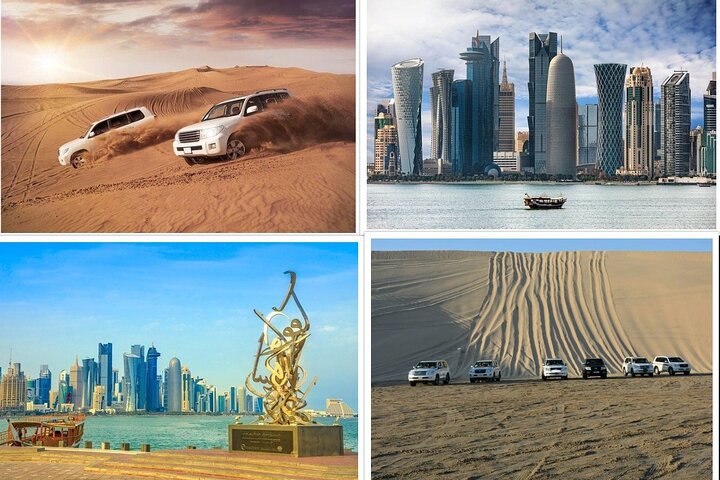
Leaving Lusail, I ventured into the heart of Doha, where the past and present coexist in harmony. The Doha Corniche, a 7-kilometer promenade, offers breathtaking views of the city’s skyline. As I strolled along the waterfront, the sight of traditional dhow boats against the backdrop of modern skyscrapers was a poignant reminder of Qatar’s rich maritime history.
One of the highlights of my visit was the Katara Cultural Village. This vibrant hub of art and culture is a testament to Qatar’s dedication to preserving its cultural legacy. As I explored the galleries and theaters, I was immersed in the stories and traditions of the Middle East. The village, with its blend of ancient architecture and contemporary art, is a celebration of Qatar’s diverse cultural heritage.
The Pearl Island, an artificial island off the coast of Doha, was another highlight of my journey. With its luxurious neighborhoods and picturesque canals, it offers a glimpse into the opulent lifestyle of Qatar’s elite. As I wandered through the Qanat Quartier, inspired by Venice, I was enchanted by the vibrant colors and intricate designs of the buildings. The island is a testament to Qatar’s ability to blend luxury with tradition.
A Journey Through Time and Space
My exploration of Lusail and Doha was a journey through time and space, a reflection of Qatar’s past, present, and future. The fusion of traditional and modern elements in both cities is a testament to Qatar’s commitment to preserving its cultural heritage while embracing innovation.
As a cultural anthropologist, I was particularly fascinated by the stories and traditions that are woven into the fabric of these cities. From the futuristic designs of Lusail to the cultural richness of Doha, my journey was a reminder of the beauty and complexity of Qatar’s cultural landscape.
For those seeking a deeper understanding of Qatar’s history and culture, a visit to Lusail and Doha is a must. The cities offer a unique opportunity to experience the fusion of tradition and modernity, a journey that is both enlightening and inspiring. As I left Qatar, I carried with me a newfound appreciation for the country’s rich cultural heritage and its vision for the future.