Unveiling the Mysteries of Luoyang: A Journey Through Time
Embark on a journey through time as I explore the ancient wonders of Luoyang, from the awe-inspiring Longmen Grottoes to the spiritual haven of Baima Temple. Discover the stories etched in stone and the cultural legacy that continues to inspire.


The Enigmatic Longmen Grottoes
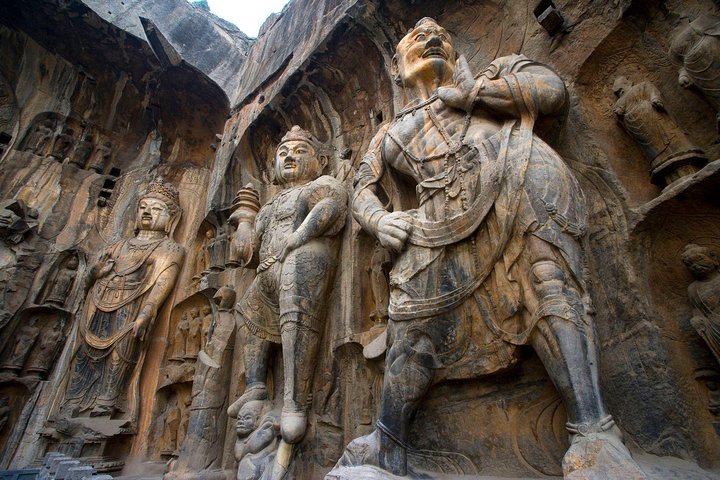
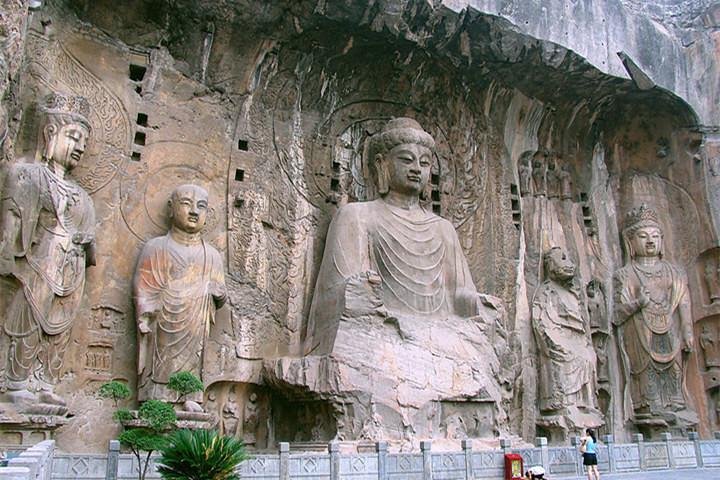
As the morning sun cast its gentle glow over Luoyang, I found myself standing at the entrance of the Longmen Grottoes, a UNESCO World Heritage site that has long been on my list of must-visit places. The air was crisp, and the anticipation was palpable as our guide began to unravel the rich tapestry of history that these ancient caves hold. Carved into the limestone cliffs over 1500 years ago, the Longmen Grottoes are a testament to the artistic and spiritual endeavors of the Northern Wei and Tang dynasties.
Walking through the site, I was struck by the sheer scale and intricacy of the carvings. Over 100,000 Buddhist images, each with its own story, adorned the walls of the 2345 caves and niches. The serene expressions of the Buddhas and Bodhisattvas seemed to transcend time, offering a glimpse into the spiritual life of ancient China. As I paused to admire the grandeur of the Vairocana Buddha, I couldn’t help but reflect on the cultural significance of this place, a bridge between the past and the present.
The Longmen Grottoes are not just a collection of stone carvings; they are a living narrative of devotion, artistry, and cultural exchange. Each inscription and pagoda tells a story of the people who once walked these paths, leaving behind a legacy that continues to inspire awe and reverence.
A Journey Through Time at the Luoyang Ancient Art Museum
After a delightful lunch at a local restaurant, we made our way to the Luoyang Ancient Art Museum, formerly known as the Ancient Tombs Museum. This unique museum offers a fascinating glimpse into the burial customs and artistic achievements of ancient China. As I wandered through the three exhibition halls, I was transported back in time, exploring the Typical Ancient Tombs, the Northern Wei Imperial Mausoleum, and the captivating Tomb Paintings.
The museum’s collection is a treasure trove of artifacts that reveal the complexities of ancient Chinese society. From intricately crafted pottery to exquisite jade ornaments, each piece tells a story of the people who once inhabited this land. The Northern Wei Imperial Mausoleum, in particular, captured my imagination with its grandeur and historical significance.
The Tomb Paintings, with their vivid depictions of daily life, offered a window into the past, allowing me to connect with the people who lived centuries ago. It was a humbling experience to walk among these relics, each one a testament to the enduring legacy of Chinese civilization.
The Spiritual Haven of Baima Temple
Our final stop was the Baima Temple, also known as the White Horse Temple, the first Buddhist temple in China. Built in 68 AD, this sacred site holds a special place in the hearts of Buddhists and history enthusiasts alike. As I entered the temple grounds, I was enveloped by a sense of tranquility and reverence.
The architecture of Baima Temple is a harmonious blend of traditional Chinese design and Buddhist symbolism. From the majestic gate to the serene garden, each element of the temple reflects the spiritual journey of those who have sought solace within its walls. The bell and drum towers, standing tall against the sky, seemed to echo the chants of monks from centuries past.
As I wandered through the temple, I was reminded of the profound impact that Buddhism has had on Chinese culture and society. The White Horse Temple is not just a place of worship; it is a symbol of the cultural exchange that has shaped the spiritual landscape of China. My visit to Baima Temple was a fitting conclusion to a day filled with exploration and reflection, a reminder of the rich tapestry of history and tradition that defines Luoyang.