Exploring the Spiritual and Artistic Wonders of Luoyang
Drawn by the allure of ancient artistry and spiritual serenity, I embarked on a journey to Luoyang to explore the Longmen Grottoes and White Horse Temple. Join me as I delve into the rich tapestry of Chinese history and culture.


A Journey Through Time: The Longmen Grottoes
As I embarked on my journey to Luoyang, a city steeped in history and culture, I was filled with anticipation. The first stop on my itinerary was the Longmen Grottoes, a UNESCO World Heritage Site that promised a deep dive into China’s rich artistic and religious history. As someone who has always been fascinated by the intersection of art and spirituality, I was eager to explore this ancient marvel.
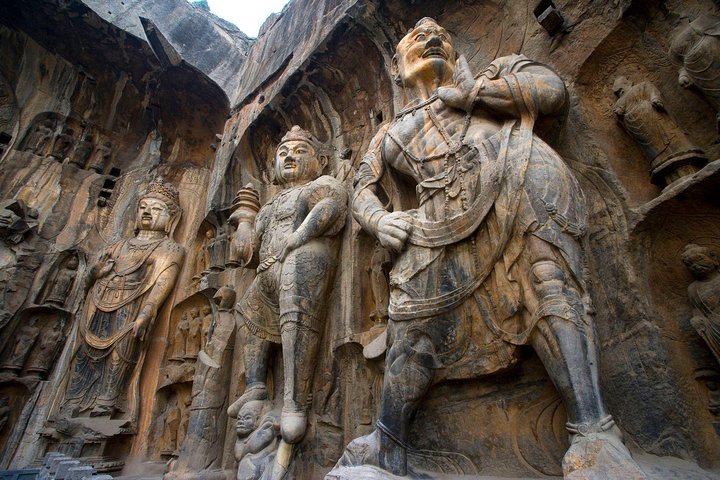
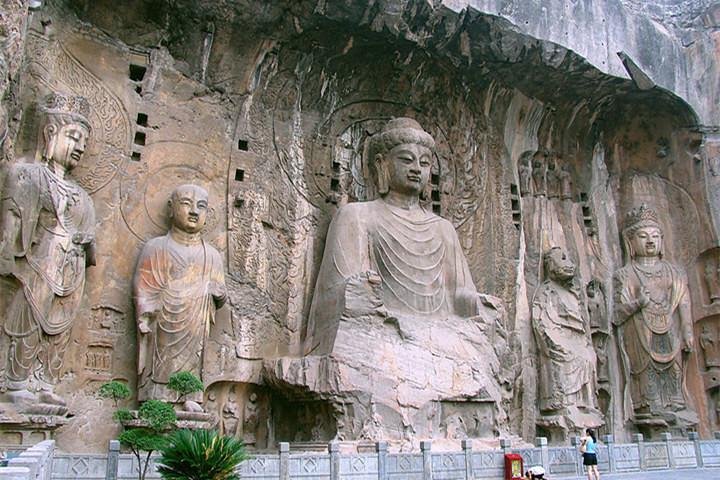
Upon arrival, I was immediately struck by the sheer scale of the grottoes. Carved into the limestone cliffs along the Yi River, the site boasts over 100,000 statues, each a testament to the skill and devotion of the artisans who created them. My guide, a knowledgeable local, led me through the labyrinth of caves, pointing out the intricate details of the carvings and sharing stories of the emperors and monks who commissioned them.
The highlight of the visit was undoubtedly the Fengxian Temple, home to the colossal Vairocana Buddha. Standing at over 17 meters tall, the statue exudes a serene majesty that left me in awe. As I stood before it, I couldn’t help but reflect on the centuries of history that had unfolded in its presence. It was a humbling reminder of the enduring power of art to transcend time and connect us to the past.
A Spiritual Retreat: The White Horse Temple
After a morning spent exploring the grottoes, I was ready for a change of pace. Our next destination was the White Horse Temple, often referred to as the cradle of Buddhism in China. As we approached the temple, I was struck by the tranquility of the surroundings. The temple’s ancient architecture, with its sweeping eaves and ornate carvings, seemed to whisper stories of the past.
Inside, the temple was a haven of peace and reflection. My guide explained the significance of the temple’s name, which commemorates the white horse that carried Buddhist scriptures from India to China. As I wandered through the temple grounds, I was captivated by the sense of history that permeated the air. Each hall and courtyard seemed to tell a story, from the arrival of the first Buddhist monks to the temple’s role in the spread of Buddhism throughout China.
One of the most memorable moments of the visit was a quiet moment of meditation in the temple’s main hall. Surrounded by the scent of incense and the soft chanting of monks, I felt a deep sense of connection to the spiritual heritage of the place. It was a moment of mindfulness that I carried with me long after I left the temple.
Reflections on a Day Well Spent
As the day drew to a close, I found myself reflecting on the experiences of the day. The Longmen Grottoes and White Horse Temple had offered a unique glimpse into the rich tapestry of Chinese history and culture. From the awe-inspiring artistry of the grottoes to the serene spirituality of the temple, each site had left an indelible mark on my journey.
For those seeking a deeper understanding of China’s cultural heritage, a visit to Luoyang is a must. The city’s historical sites offer a window into the past, inviting visitors to explore the stories and traditions that have shaped the nation. As I boarded the train back to my hotel, I felt a renewed appreciation for the beauty and complexity of Chinese culture, and a sense of gratitude for the opportunity to experience it firsthand.
I encourage all of you, my fellow travelers and cultural enthusiasts, to embark on your own journey to Luoyang. Whether you’re drawn to the artistry of the grottoes or the spiritual serenity of the temple, you’re sure to find something that resonates with your soul. Until next time, may your travels be filled with discovery and wonder.