Exploring the Heart of Cajun and Creole Heritage: A Journey Through Time and Nature
Drawn by the promise of cultural immersion and the thrill of an airboat ride, I embarked on a journey through Cajun and Creole heritage. The experience was a profound exploration of history, nature, and the enduring spirit of the people who call this region home.



A Journey Through Time and Nature
As I embarked on the Cajun and Creole Culture Tour, I was filled with anticipation. The allure of exploring the rich tapestry of Cajun and Creole cultures, combined with the thrill of an airboat ride through the cypress swamps, promised an unforgettable experience. The journey began with a drive through the heart of Cajun Country, where the landscape unfolded like a living history book. Our guide, Isabelle, a remarkable woman with a wealth of knowledge and a warm demeanor, shared stories of the Cajun people’s odyssey, painting vivid pictures of their resilience and cultural heritage.
The airboat ride was a thrilling adventure, gliding over marshes and into secluded bayous. Our Cajun guide, an alligator hunter and fur trapper, introduced us to the swamp’s hidden wonders, from the habits of reptiles to the healing properties of native plants. The swamp zoo on Bayou Boeuf was a delightful surprise, offering a closer look at the region’s unique wildlife. As we navigated the waterways, the beauty of the natural world was a poignant reminder of the delicate balance between human life and the environment.
Unveiling the Past at Laura Plantation
Our next stop was the Laura Plantation, a site steeped in history and cultural significance. Built in 1804, the plantation is a testament to the Creole heritage that has shaped the region. As we walked through the grounds, the stories of Laura’s family saga came to life, revealing the complex interplay between the enslaved and their owners. The Slavery Museum Exhibit was particularly moving, offering personal stories of the men, women, and children who lived and worked on the plantation. These narratives, both Créole and American, highlighted the intertwined lives and shared histories that have left an indelible mark on the culture.
The architecture and lifestyle of the Creole culture were evident in every corner of the plantation, from the vibrant colors of the buildings to the intricate details of the furnishings. The influence of West-African enslaved people was palpable, seen in the cuisine, music, and family-centered traditions that continue to thrive today. As I absorbed the stories and sights, I was reminded of the importance of preserving these cultural legacies for future generations.
A Feast for the Senses at Houmas House
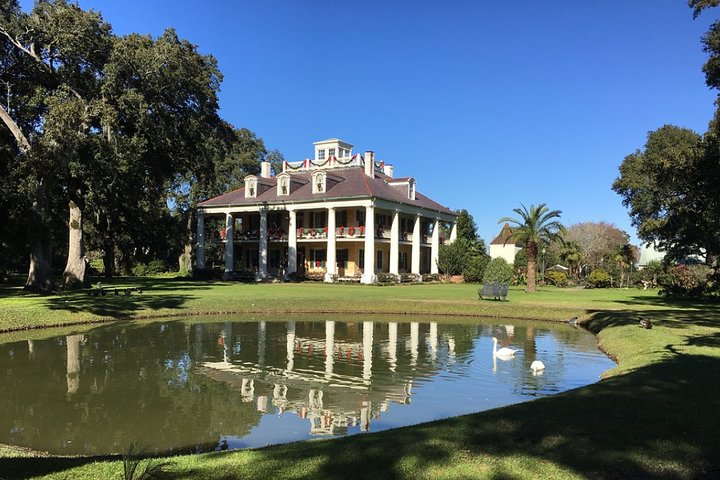
The final leg of our journey took us to the Houmas House Plantation, where we were treated to a gourmet buffet lunch in the elegant dining room. The meal was a celebration of the region’s culinary heritage, with dishes that reflected the rich flavors and traditions of Cajun and Creole cuisine. As we dined, the history of the estate unfolded, revealing how a modest manor house grew into a grand estate through the efforts of its owners and the ever-changing Mississippi River.
After lunch, we explored the 38 acres of gardens surrounding the mansion, each corner offering a new perspective on the beauty of the landscape. The collection of art, furniture, and antique artifacts within the mansion told the story of plantation life, providing a window into the past. As I wandered through the gardens, I felt a deep connection to the land and its history, a testament to the enduring legacy of those who came before us.
Reflecting on the day’s journey, I was struck by the resilience and strength of the people who have shaped this region. From the vibrant cultures of the Cajun and Creole communities to the enduring spirit of individuals like Isabelle, the tour was a celebration of heritage and history. It was a reminder of the power of storytelling and the importance of preserving our cultural treasures for future generations.


