Unveiling the Mysteries of Machu Picchu: A Journey Through Time and Culture
Drawn by the allure of ancient mysteries and the promise of breathtaking landscapes, I embarked on a journey to Peru. From the historic streets of Lima to the majestic ruins of Machu Picchu, each moment was a testament to the rich tapestry of culture and history that defines this incredible country.






Arrival in Lima: A Cultural Tapestry Unveiled
The moment I set foot in Lima, the City of Kings, I was enveloped by a vibrant tapestry of history and culture. The air was thick with the scent of the Pacific, and the city buzzed with life. My journey began with a warm welcome from Gonzalo Vasquez, whose friendly demeanor set the tone for the days to come. As a biologist and environmental activist, I was particularly eager to explore the rich history and biodiversity of Peru.
Our first stop was the Historic Center of Lima, a UNESCO World Heritage Site. Walking through the Convent of Santo Domingo, I was struck by the ancient choir stalls and the historic library, a treasure trove of 15th-century prints. The Plaza Mayor, with its grand Government Palace and the Cathedral, was a testament to colonial Lima’s architectural splendor. The Larco Museum was a highlight, offering a glimpse into ancient Peruvian cultures through its exquisite collection of gold artifacts and ceramics. Carmen Mesa, our guide, was a fountain of knowledge, her passion for local history infectious.
Cusco: The Heart of the Inca Empire
The flight to Cusco was a journey back in time. As we descended into the city, the Andes rose majestically around us, their peaks shrouded in mist. Alex, our local contact, ensured a smooth transition to our hotel, where we were greeted with coca tea to help acclimate to the altitude.
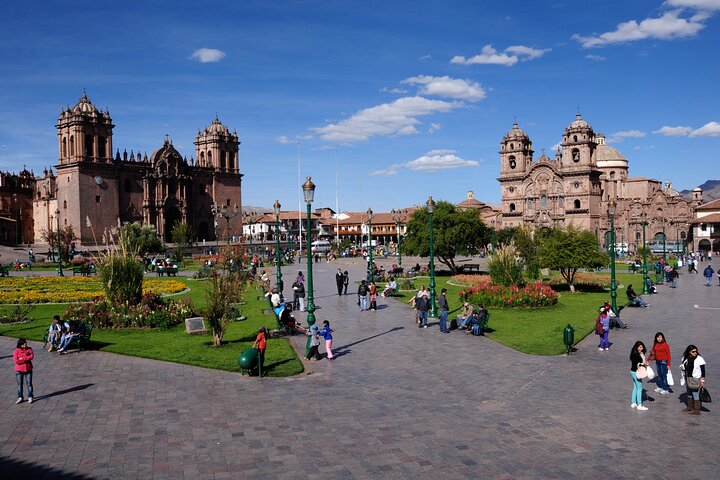
Cusco, once the capital of the Inca Empire, is a city where history and modernity coexist in harmony. Our guide, Juan, led us through the cobblestone streets, sharing tales of the city’s past. The Qorikancha Temple, with its walls once covered in gold, was a marvel of Inca engineering. The San Pedro Market was a sensory delight, with its vibrant colors and the aroma of local produce. As we wandered through the artisans’ neighborhood of San Blas, I couldn’t help but admire the intricate craftsmanship on display.
The Archaeological Park of Sacsayhuaman was a testament to the ingenuity of the Inca civilization. The colossal stone walls, perfectly fitted without mortar, were awe-inspiring. Rivelino, our guide, shared stories of the site’s significance, his enthusiasm infectious. The day ended with a visit to the Puca Pucará lookout, where the landscape unfolded in a breathtaking panorama.
Machu Picchu: A Journey to the Lost City
The anticipation was palpable as we boarded the train to Aguas Calientes, the gateway to Machu Picchu. The journey through the Sacred Valley was a visual feast, with terraced fields and traditional villages dotting the landscape. Fernando Arce, our guide, was a wealth of knowledge, his insights into the historical processes that shaped Peru both profound and thought-provoking.
Machu Picchu, the Lost City of the Incas, was everything I had imagined and more. The energy of the place was almost tangible, a testament to the ingenuity and spirituality of its builders. As we explored the terraces, staircases, and ceremonial sites, I felt a deep connection to the past. The option to ascend Machu Picchu Hill the following day offered a different perspective, the view from the summit breathtaking.
Returning to Cusco by train, I reflected on the journey. The kindness and professionalism of the guides and staff had made the experience truly memorable. As a conservationist, I was heartened by the efforts to preserve these cultural treasures for future generations. Peru had captured my heart, and I left with a renewed sense of purpose, eager to share the wonders of this incredible country with my readers.


