Unveiling the Spiritual Essence of Fushimi Inari Shrine
Drawn by the allure of the Fushimi Inari Shrine’s 1,000 torii gates, I embarked on a journey to uncover the spiritual essence of this iconic site. Join me as I explore the harmony between nature and tradition in Kyoto.




A Journey Through Time: The Fushimi Inari Shrine
As I stepped off the train at Inari Station, the air was filled with a sense of anticipation. The Fushimi Inari Shrine, with its iconic 1,000 torii gates, awaited me. This was not just a visit to a shrine; it was a journey through time, a chance to connect with the spiritual essence of Japan that has been influencing lives for over 1,300 years.
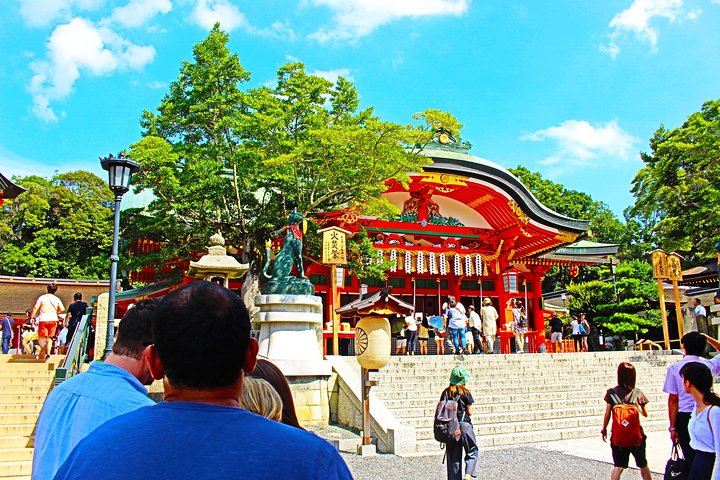
The entrance to the shrine was marked by a grand torii gate, a symbol of transition from the mundane to the sacred. As I began my ascent, the vibrant red gates formed a tunnel that seemed to lead into another world. Each gate, donated by individuals and businesses, bore inscriptions of gratitude and hope. The path was bustling with visitors, yet there was a sense of calm that enveloped the area.
The fox statues, guardians of the shrine, stood watchfully along the path. These mystical creatures, believed to be messengers of Inari, the deity of rice and prosperity, added an element of intrigue to the journey. As I continued my climb, the crowds began to thin, and the serenity of the forest took over. The rustling leaves and distant chirping of birds created a natural symphony that accompanied my steps.
The Dance of Light and Shadow
Reaching the summit of the hill, I was greeted by a breathtaking view of Kyoto. The city lay sprawled beneath me, bathed in the golden hues of the setting sun. It was a moment of reflection, a reminder of the harmony between nature and human creation.
As the sun dipped below the horizon, the descent began. The torii gates, now silhouetted against the twilight sky, took on a mystical quality. The path was illuminated by small lanterns, casting a gentle glow that guided my way. It was as if the spirits of the shrine were lighting the path, inviting me to continue my journey.
Along the way, I encountered numerous smaller shrines, each with its own unique charm. These hidden gems, often overlooked by the casual visitor, offered a glimpse into the rich tapestry of Shinto beliefs and practices. The Heavy-Light Stone, where wishes are made, was a particular highlight. I paused to make a wish, feeling the weight of tradition and hope in my hands.
Embracing the Spirit of Inari
The final stretch of the journey was a time for introspection. The path, now quiet and serene, allowed for a deeper connection with the spirit of the shrine. The concept of Wabisabi, the beauty of imperfection and transience, resonated deeply as I walked through the Senbon Torii, the thousand gates.
The Fushimi Inari Shrine is more than just a tourist attraction; it is a living testament to the enduring power of faith and tradition. As I reached the end of the trail, I felt a profound sense of gratitude for the experience. The lessons of the shrine, of harmony, gratitude, and the beauty of the present moment, lingered with me long after I left.
For those seeking a deeper understanding of Japan’s spiritual heritage, the Fushimi Inari Shrine offers a journey that transcends time and space. It is a place where the past and present coexist, where the sacred and the mundane intertwine, and where every step is a meditation on the beauty of life.