



Discover the enchanting Gion district and the iconic Fushimi Inari Shrine in Kyoto with our licensed guides. Immerse yourself in the geisha culture and explore the ancient streets of Kyoto on this budget-friendly walking tour.
Discover the enchanting Gion district and the iconic Fushimi Inari Shrine in Kyoto with our licensed guides. Immerse yourself in the geisha culture and explore the ancient streets of Kyoto on this budget-friendly walking tour.
- Fushimi Inari-taisha Shrine - Fushimi Inari Shrine (伏見稲荷大社, Fushimi Inari Taisha) is a significant Shinto shrine situated in southern Kyoto. It is renowned for its thousands of vermilion torii gates, which form a network of trails behind the main buildings. These trails lead into the sacred Mount Inari’s wooded forest, which stands at 233 meters…
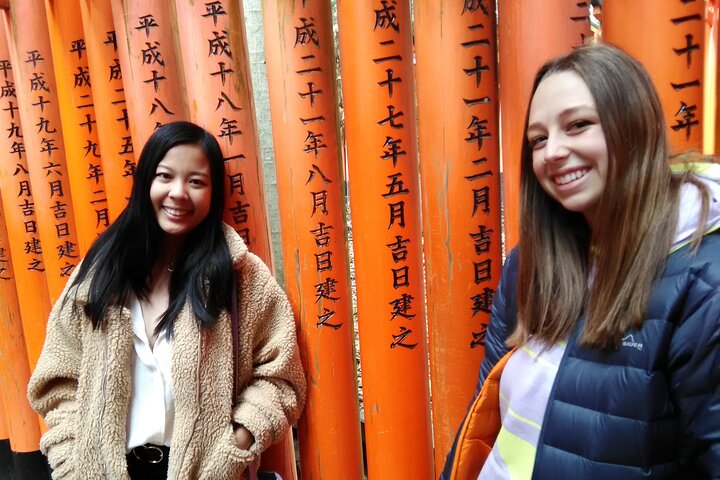
- Fushimi Inari-taisha Shrine - Fushimi Inari Shrine (伏見稲荷大社, Fushimi Inari Taisha) is a significant Shinto shrine situated in southern Kyoto. It is renowned for its thousands of vermilion torii gates, which form a network of trails behind the main buildings. These trails lead into the sacred Mount Inari’s wooded forest, which stands at 233 meters and is part of the shrine’s grounds.
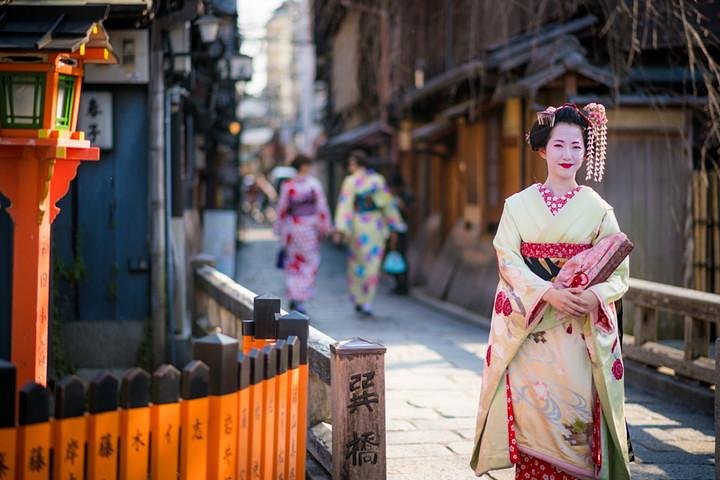
- Gion - Gion (祇園) is Kyoto’s most renowned geisha district, located around Shijo Avenue between Yasaka Shrine in the east and the Kamo River in the west. It is filled with shops, restaurants, and ochaya (teahouses), where geiko (Kyoto dialect for geisha) and maiko (geiko apprentices) entertain.
Gion attracts tourists with its high concentration of traditional wooden machiya merchant houses. Due to the fact that property taxes were formerly based on street frontage, the houses were built with narrow facades only five to six meters wide, but extend up to twenty meters in from the street.
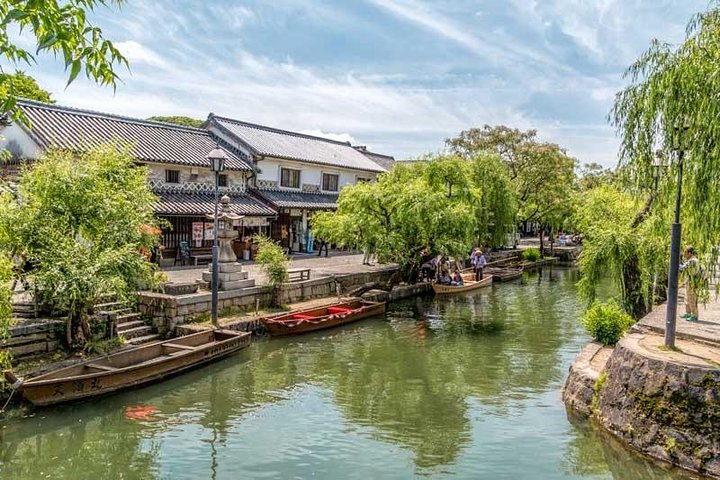
- Gion Shirakawa - Another picturesque part of Gion is the Shirakawa Area, which runs along the Shirakawa Canal parallel to Shijo Avenue. The canal is lined with willow trees, high-class restaurants, and ochaya, many of which have rooms overlooking the canal. As it is a little off the beaten path, the Shirakawa Area is typically somewhat quieter than Hanami-koji Street.
Many tourists visit Gion hoping to catch a glimpse of a geiko or maiko on their way to or from an engagement at an ochaya in the evenings or while running errands during the day. However, if you spot a geiko or maiko, act respectfully. Complaints about tourists behaving like ruthless paparazzi have increased in recent years.
- Yasaka Shrine - Yasaka Shrine (八坂神社, Yasaka Jinja), also known as Gion Shrine, is one of the most famous shrines in Kyoto. Founded over 1350 years ago, the shrine is located between the popular Gion District and Higashiyama District and is often visited by tourists walking between the two districts.
The shrine’s main hall combines the honden (inner sanctuary) and haiden (offering hall) into a single building. In front of it stands a dance stage with hundreds of lanterns that are lit in the evenings. Each lantern bears the name of a local business in return for a donation.
Yasaka Shrine is well known for its summer festival, the Gion Matsuri, which is celebrated every July. Arguably the most famous festival in the whole country, the Gion Matsuri dates back over a thousand years and involves a procession with massive floats and hundreds of participants. The shrine also becomes busy during the cherry blossom season around early April, as the adjacent Maruyama Park is one of the most famous cherry blossom spots in Kyoto.
- Tatsumi Daimyojin Shrine - The inner torii of the Tatsumi Daimyojin shrine is located in the Gion area of Kyoto, near Shira-kawa, an area famous for ochaya (tea houses) and geisha activity. The story behind the shrine seems vague, but it appears that it was built to appease a foul-tempered tanuki who was bothering the geiko crossing the Kamo-gawa.
- Kiyomizu-dera Temple - Over 1250 years have passed since the foundation of Kiyomizu-dera Temple. Halfway up Mt. Otowa, one of the peaks in Kyoto’s Higashiyama mountain range, stands the temple, to which large numbers of visitors come to pay their respects to Kannon, a deity of great mercy and compassion. For this reason, the temple is known as a “Kannon Reijo.” “Reijo” is a Japanese word meaning a “holy place” with which Kannon’s compassion is abundant.
- Kennin-ji Temple - Kenninji Temple (建仁寺) is located very close to the bustle of Hanamikoji and Shijo streets. The grounds of Kenninji Temple are expansive and pleasant to walk, and the two karesansui (dry landscape gardens) here offer the visitor an oasis of tranquility. It is thought to be the oldest Zen temple in Kyoto.

- Licensed Local English Speaking Guide
- Pick up/drop off on foot
- Licensed Local English Speaking Guide
- Pick up/drop off on foot
- Meet up with guide on foot within designated area of
- Private Vehicle
- You cannot combine multiple tour groups.
- Guide Entry fees are only covered for sights listed in the itinerary.
- Meet up with guide on foot within designated area of
- Private Vehicle
- You cannot combine multiple tour groups.
- Guide Entry fees are only covered for sights listed in the itinerary.
For frugal travelers mindful of time, our government-authorized, multilingual tour guides provide the chance to explore the Gion district.
Your day begins with a rendezvous with your guide at the Tatsumi Daimyojin Shrine, the heart of Gion. As you traverse Gion, your guide will immerse you in the world of the geisha, enlightening you about their…
For frugal travelers mindful of time, our government-authorized, multilingual tour guides provide the chance to explore the Gion district.
Your day begins with a rendezvous with your guide at the Tatsumi Daimyojin Shrine, the heart of Gion. As you traverse Gion, your guide will immerse you in the world of the geisha, enlightening you about their attires, hairstyles, code of conduct, and daily practices.
You will meander through the stone-paved lanes of three Geisha locales in all - Gion, Pontocho, and Miyagawacho, engrossed in narratives about Kyoto’s ancient past. Fortunate visitors may even catch sight of a Geisha on the street!
With its dense offering of unique experiences, this compact journey is a terrific opportunity to experience a lesser-known facet of Kyoto.
This exclusive tour is a daytime promenade with a counsellor. It does not include a personal transport arrangement.
- This is a walking tour. Pick up is on foot.
For a full refund, cancel at least 24 hours before the scheduled departure time.
For a full refund, cancel at least 24 hours before the scheduled departure time.