Sailing the Sacred Nile: A Spiritual Odyssey on the Grand Princess
Embark on a spiritual journey along the Nile with me as I explore the ancient wonders of Egypt on the Grand Princess. Discover the timeless beauty and profound history of temples and monuments that have stood the test of time.






Setting Sail on the Grand Princess
As I embarked on the Grand Princess for a four-day Nile cruise from Hurghada, I felt a profound sense of anticipation. The Nile, a river that has been the lifeblood of Egypt for millennia, was about to reveal its secrets to me. The journey began in Aswan, a city that has long been a crossroads of cultures and a gateway to the wonders of ancient Egypt.
Our first stop was the Temple of Philae, dedicated to the goddess Isis. As I wandered through the temple’s ancient halls, I was struck by the timelessness of the place. The carvings on the walls seemed to whisper stories of devotion and reverence, echoing the spiritual journeys of those who had come before me. The temple’s location on an island in the Nile added to its mystique, making it feel like a sacred sanctuary removed from the world.
The Aswan High Dam, a marvel of modern engineering, stood in stark contrast to the ancient wonders we had just explored. Yet, it too had its own story to tell—a story of human ingenuity and the eternal struggle to harness nature’s power. As I gazed upon Lake Nasser, I couldn’t help but reflect on the delicate balance between progress and preservation, a theme that resonates deeply with my own journey as a travel writer.
The Timeless Majesty of Abu Simbel
The second day of our journey took us to the awe-inspiring temples of Abu Simbel. Carved into the mountainside, these colossal monuments to Ramses II and Queen Nefertari are a testament to the grandeur of ancient Egypt. As I stood before the Great Temple, I felt a profound connection to the past, as if the spirits of the pharaohs were watching over us.
The relocation of the temples, a feat of modern preservation, reminded me of the importance of safeguarding our cultural heritage. It was a humbling experience to witness the lengths to which humanity will go to protect its history, ensuring that future generations can also stand in awe of these magnificent structures.
Sailing onward to Kom Ombo, we visited the temple dedicated to Sobek and Horus. The duality of the temple, with its twin sanctuaries, mirrored the duality of life itself—a balance of light and dark, creation and destruction. As I explored the temple, I pondered the ancient myths and rituals that had been performed here, feeling a deep sense of connection to the spiritual traditions of the past.
A Journey Through Time in Luxor
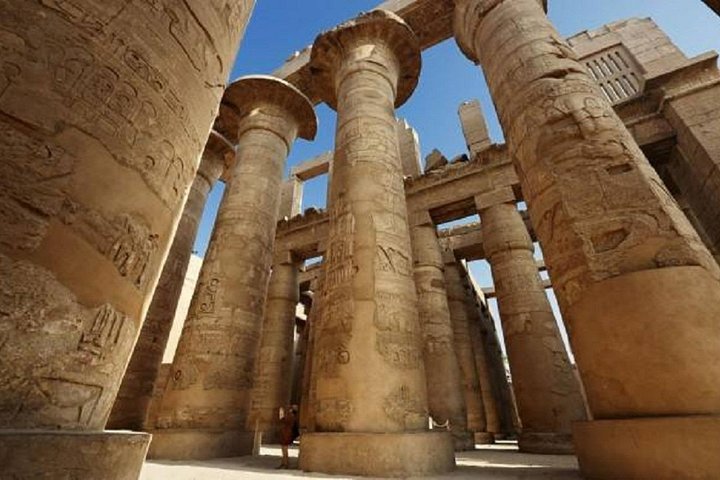
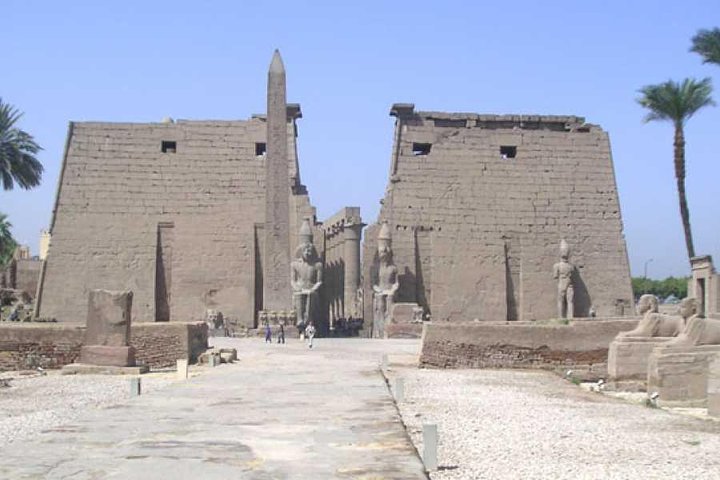
Our final destination was Luxor, a city that has been a center of worship and power for thousands of years. The Temple of Horus in Edfu, with its towering columns and intricate carvings, was a highlight of the journey. As I walked through its halls, I imagined the ceremonies that had taken place here, the air thick with incense and the chants of priests echoing through the stone.
The Valley of the Kings, with its hidden tombs and treasures, was a poignant reminder of the transience of life and the eternal quest for immortality. Standing before the Colossi of Memnon, I felt a sense of awe at the sheer scale of these statues, guardians of a long-lost world.
The Temple of Hatshepsut, rising majestically from the desert, was a fitting end to our journey. Its terraces seemed to reach towards the heavens, a testament to the ambition and vision of one of Egypt’s greatest pharaohs. As I stood in the shadow of the temple, I reflected on the spiritual journey I had undertaken, a journey that had deepened my understanding of Egypt’s rich history and its enduring legacy.
This cruise was more than just a journey along the Nile; it was a pilgrimage through time, a chance to connect with the spiritual heart of Egypt. As I disembarked from the Grand Princess, I carried with me not just memories of breathtaking sights, but a renewed sense of wonder and reverence for the ancient world.


