Hiroshima’s Resilient Spirit: A Journey Through History
Intrigued by Hiroshima’s transformation from devastation to a symbol of peace, I embarked on a tour to explore its history. Guided by Thomas, a knowledgeable historian, I discovered the city’s resilience and the profound lessons it offers.


A Journey Through Time: Hiroshima’s Resilient Spirit
As I embarked on the Hiroshima History Tour, I was filled with a sense of anticipation and reverence. Hiroshima, a city that has risen from the ashes of one of history’s most devastating events, offers a profound lesson in resilience and peace. My guide for the day was Thomas, a Dutch historian with an impressive command of English and an even more impressive grasp of the intricate history leading up to the atomic bombing of Hiroshima.
Thomas’s approach was both enlightening and engaging. His ability to weave humor into the narrative when appropriate provided a necessary balance to the somber subject matter. As we walked through the Hiroshima Peace Memorial Park, he painted a vivid picture of the events leading up to August 6, 1945, and the subsequent impact on the city and its people. His insights were grounded in thorough research, and he was always ready to delve deeper into any questions our group had.
Exploring Hiroshima’s Historical Landmarks
Our journey began at the Hiroshima Gokoku Shrine, a serene place of solace and remembrance. The shrine’s elegant architecture and tranquil surroundings set the tone for the day. As we moved on to Hiroshima Castle, also known as Carp Castle, Thomas shared stories of its historical significance and its role as a military and administrative center before its destruction in 1945. The castle, now a museum, offered a glimpse into Hiroshima’s past, from feudal architecture to samurai culture.
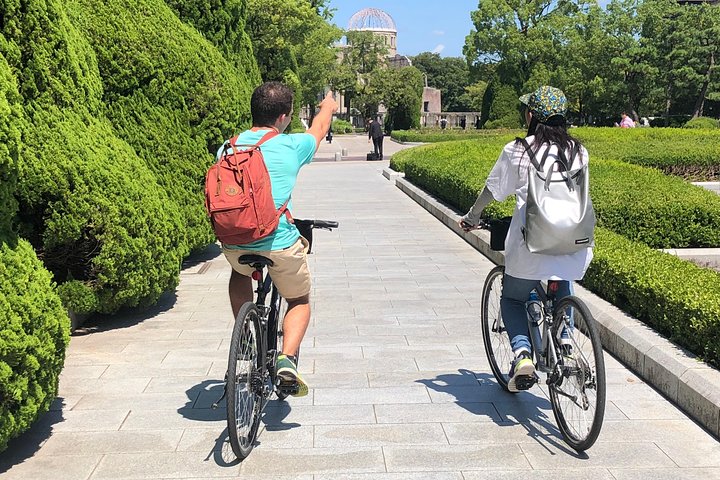
The highlight of the tour was undoubtedly the Atomic Bomb Dome. Standing near the epicenter of the blast, this haunting ruin serves as a powerful reminder of the destructive power of nuclear weapons. Thomas’s explanation of the site’s significance was both moving and educational, emphasizing the hope for global peace and the abolition of nuclear arms. The Children’s Peace Monument, dedicated to Sadako Sasaki and the child victims of the bombing, further underscored the universal wish for peace.
Reflecting on Hiroshima’s Legacy
As the tour concluded, I found myself reflecting on the resilience of Hiroshima and its people. The city’s transformation into a symbol of peace and hope is a testament to the human spirit’s ability to overcome even the most unimaginable tragedies. Thomas’s guidance throughout the tour provided a deeper understanding of the historical context and the ongoing impact of the atomic bombing.
After the tour, I took Thomas’s advice and explored the Hiroshima Peace Memorial Museum on my own. The museum’s exhibits offered a comprehensive look at the events of 1945 and the city’s journey towards peace. Later, I enjoyed a meal at one of the local eateries Thomas recommended, savoring the flavors of Hiroshima while contemplating the day’s experiences.
This tour was not just an exploration of history but a journey into the heart of a city that has become a beacon of peace. For anyone seeking a deeper understanding of Hiroshima’s past and its enduring legacy, this tour is an invaluable experience.