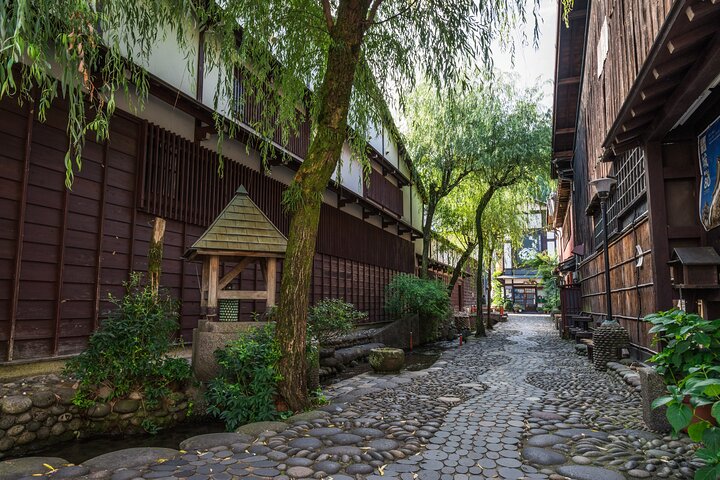
Timeless Treasures: Exploring Gujo Hachiman’s Edo-Era Streets
Embark on a journey through time as I explore the enchanting streets of Gujo Hachiman, the bustling charm of Hida Takayama, and the serene beauty of Shirakawa-go. Discover the rich cultural heritage of Japan’s Edo-era towns and villages.


A Journey Through Time: Gujo Hachiman’s Edo-Era Streets
As I embarked on my journey to Gujo Hachiman, nestled in the heart of Gifu Prefecture, I was filled with anticipation. This town, renowned for its Edo-era charm, promised a glimpse into Japan’s storied past. The streets of Gujo Hachiman, with their traditional buildings and serene waterways, are a testament to the country’s rich cultural heritage. As someone who has always been fascinated by the intricate tapestry of Japanese customs, this was an opportunity I couldn’t pass up.
Upon arrival, I was immediately struck by the town’s timeless beauty. The rows of old houses, designated as important traditional buildings by the national government, stood proudly against the backdrop of the lush landscape. The waterway, affectionately known as “Mizu-no-sato” or “the town of water,” meandered gracefully past the eaves of the houses, a living reminder of the town’s historical reliance on water for daily life. As I strolled through the streets, I couldn’t help but feel a deep connection to the past, as if I were walking alongside the townspeople of centuries gone by.
Discovering Hida Takayama: A Step Back in Time
Our next stop was Hida Takayama, a castle town that has retained its Edo-period atmosphere. The bustling streets were alive with the sounds of laughter and conversation, as locals and tourists alike explored the myriad of shops and eateries. Despite the holiday crowds, there was a sense of camaraderie in the air, a shared appreciation for the town’s historical significance.
As I wandered through the streets, I was drawn to the traditional Hida handicraft stores, where artisans showcased their exquisite creations. The intricate designs and meticulous craftsmanship were a testament to the region’s dedication to preserving its cultural heritage. I also had the pleasure of visiting a free museum, where I delved into the town’s rich history and even collected a commemorative stamp as a memento of my visit.
Shirakawa-go: A Glimpse into Rural Japan
The final leg of our journey took us to Shirakawa-go, a UNESCO World Heritage Site renowned for its Gassho-Zukuri villages. These traditional thatched-roof houses, some over a century old, stood as a testament to the ingenuity and resilience of the people who built them. As I explored the village, I was captivated by the harmonious blend of nature and architecture, a reflection of Japan’s deep-rooted respect for the natural world.
The villagers were warm and welcoming, eager to share their way of life with visitors. I was fortunate enough to witness koi swimming gracefully in the waterways and a heron perched by a small pond, a serene scene that seemed to encapsulate the essence of rural Japan. While the grocery store atop the mountain was a bit pricey, the experience of dining at a small stall, surrounded by the breathtaking beauty of the village, was worth every yen.
Reflecting on my journey, I am reminded of the importance of preserving these cultural treasures for future generations. The Gujo Hachiman tour was not just a trip through time, but a profound reminder of the enduring legacy of Japan’s past. I left with a renewed appreciation for the country’s rich history and a desire to continue exploring its many wonders.