Exploring the Timeless Beauty of Longji Rice Terraces: A Cultural Odyssey
Drawn by the allure of history and tradition, I embarked on a two-day adventure to the Longji Rice Terraces in Guilin, China. Join me as I explore this breathtaking landscape and immerse myself in the rich culture of the Zhuang and Yao people.


A Journey Through Time: The Longji Rice Terraces
As a cultural anthropologist, I have always been drawn to places where history and tradition are woven into the very fabric of the landscape. The Longji Rice Terraces in Guilin, China, are one such place. Known as the Dragon’s Backbone, these terraces are a testament to the ingenuity and perseverance of the local Zhuang and Yao people, who have cultivated these lands for centuries.
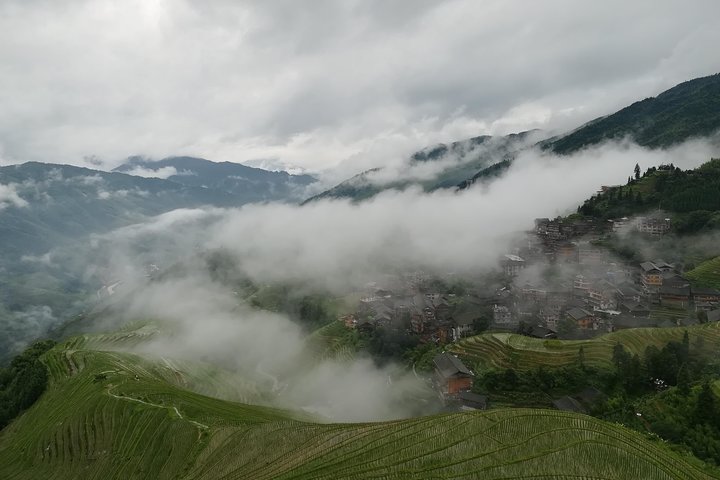
Upon arriving in Guilin, I was greeted by my guide, a local who shared stories of the terraces’ history and the cultural significance they hold for the communities that live there. The drive to Ping’an village was a journey through lush greenery and winding roads, each turn revealing a new vista more breathtaking than the last. As we approached the terraces, the landscape transformed into a series of cascading steps, each one meticulously carved into the mountainside.
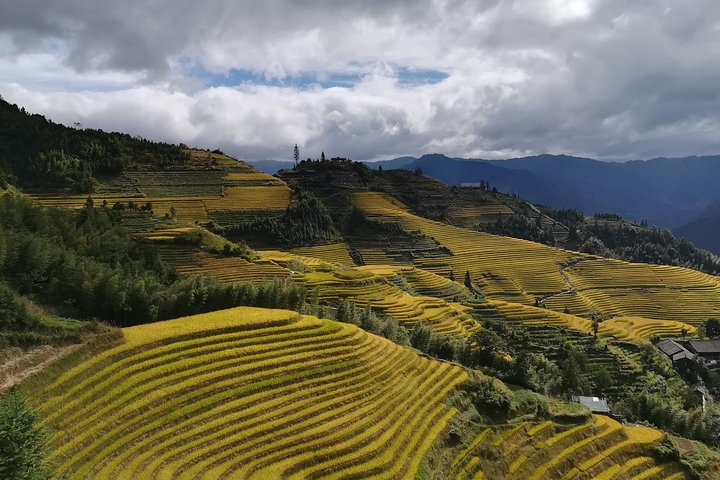
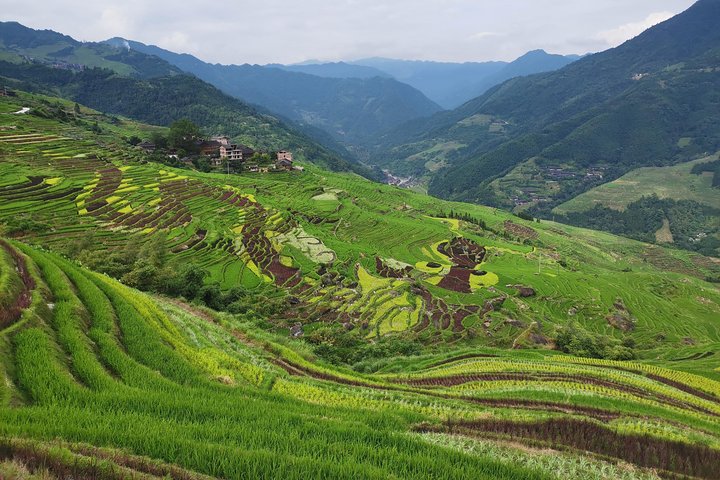
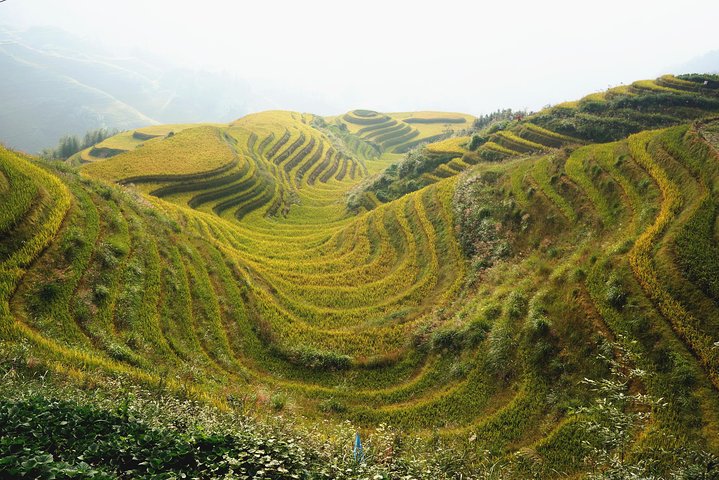
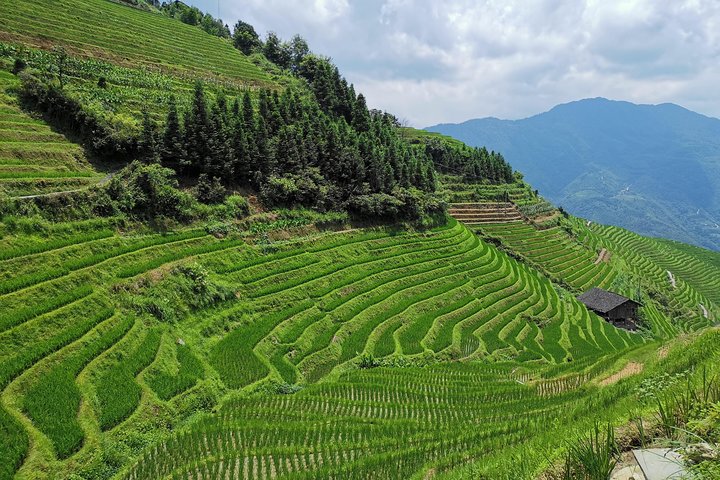
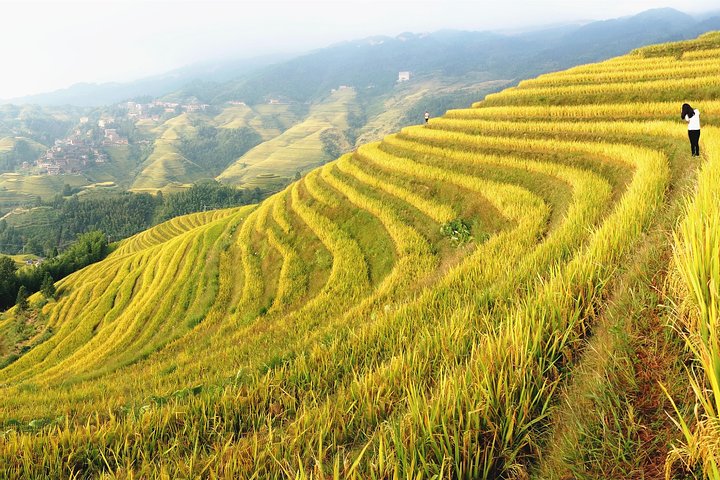
The terraces themselves are a living work of art, changing with the seasons. In spring, they are filled with water, reflecting the sky like a series of mirrors. By summer, they are a vibrant green, and in autumn, they turn a golden hue as the rice ripens. In winter, they are often dusted with snow, creating a stark contrast against the dark earth. Walking through the terraces, I felt a deep connection to the land and the people who have shaped it over generations.
Immersing in Local Culture
One of the highlights of my visit was the opportunity to immerse myself in the local culture. The Yao people, known for their long hair, welcomed me into their village with open arms. I was fortunate enough to witness a traditional dance performance, where the women, dressed in vibrant costumes, moved gracefully to the rhythm of drums and flutes. Their hair, often reaching the ground, was a symbol of beauty and longevity, and I was fascinated by the rituals surrounding its care and styling.
In the village, I also had the chance to participate in a cooking class, learning to prepare traditional dishes using locally sourced ingredients. The flavors were rich and complex, a reflection of the region’s diverse cultural influences. Sharing a meal with the villagers was a humbling experience, as we exchanged stories and laughter, bridging the gap between our different worlds.
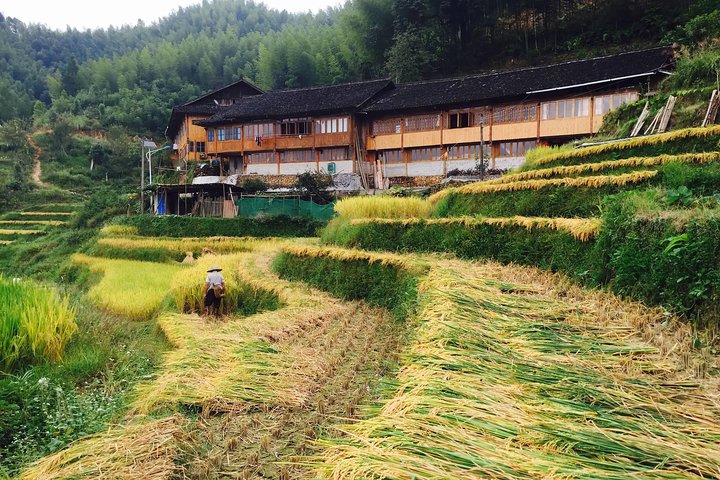
The flexibility of the itinerary allowed me to explore at my own pace, taking time to appreciate the intricate details of the local architecture and the artistry of the handmade crafts. Each piece told a story, a testament to the skill and creativity of the artisans who crafted them.
Reflections on a Timeless Landscape
As my journey came to an end, I found myself reflecting on the timeless beauty of the Longji Rice Terraces and the resilience of the people who call this place home. The terraces are more than just a stunning landscape; they are a living testament to the harmony between humans and nature.
The experience reminded me of the importance of preserving cultural heritage and the role it plays in shaping our understanding of the world. The Longji Rice Terraces are a reminder that, even in our rapidly changing world, there are places where tradition and modernity coexist, each enriching the other.
For those seeking a deeper connection to the places they visit, I highly recommend embarking on this two-day adventure to the Longji Rice Terraces. It is a journey that will leave you with a profound appreciation for the beauty and complexity of our shared human heritage.