Exploring the Convergence of Cultures at the Three Borders Landmark
Drawn by the allure of the Three Borders Landmark, I embarked on a journey to Foz do Iguaçu to witness the convergence of Brazil, Paraguay, and Argentina. What I discovered was a celebration of culture, nature, and history that left me inspired and eager to share my experience.


A Journey to the Heart of Three Nations
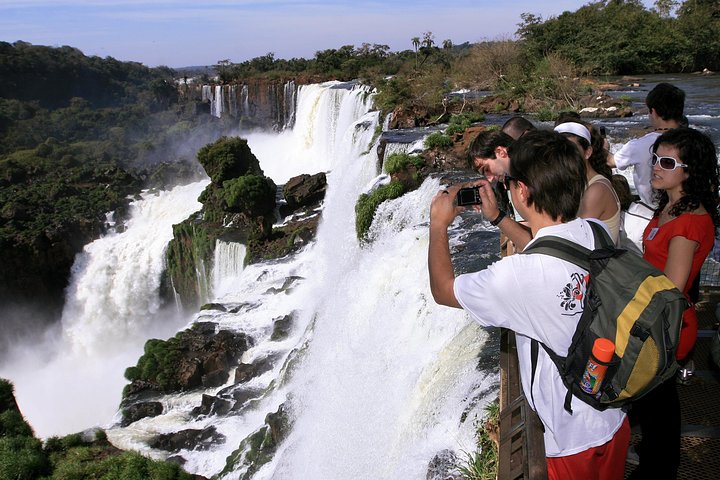
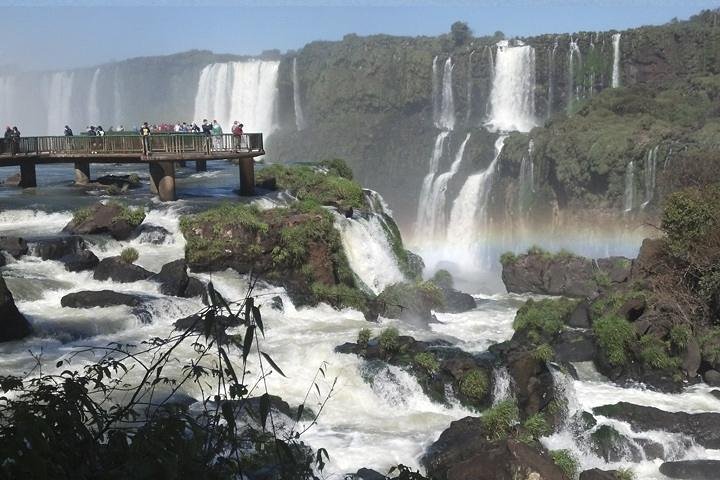
As I stood at the Marco Das Tres Fronteiras, the landmark where Brazil, Paraguay, and Argentina converge, I felt a profound sense of unity and wonder. The air was thick with the scent of the surrounding jungle, and the distant roar of the Iguazu Falls provided a natural symphony that underscored the significance of this place. The landmark itself is a testament to the rich cultural tapestry that binds these three nations together, and I was eager to explore every facet of it.
The journey to this remarkable site was an adventure in itself. I had heard tales of the vibrant cultural shows that take place here, celebrating the unique traditions of each country. As the sun dipped below the horizon, the evening came alive with music and dance, each performance a tribute to the diverse heritage of the region. The energy was infectious, and I found myself swept up in the rhythm, a willing participant in this celebration of life and culture.
Embracing the Spirit of the Jungle
The surrounding landscape is a lush tapestry of green, a reminder of the incredible biodiversity that thrives in this part of the world. As a biologist and environmental activist, I was particularly drawn to the natural beauty that envelops the landmark. The jungle here is teeming with life, a vibrant ecosystem that supports countless species of flora and fauna.
I took the opportunity to explore the nearby trails, each step a reminder of the delicate balance that exists between nature and humanity. The air was alive with the calls of exotic birds, and I marveled at the intricate web of life that unfolded before me. It was a humbling experience, one that reinforced my commitment to conservation and the protection of these precious habitats.
A Culinary and Cultural Delight
No visit to the Three Borders Landmark would be complete without indulging in the local cuisine. The Cabeza de Vaca restaurant offered a culinary journey that was as rich and diverse as the cultures it represents. Each dish was a celebration of local flavors, a testament to the region’s culinary heritage.
As I savored each bite, I reflected on the importance of preserving not just the natural beauty of this region, but also its cultural legacy. The scenography of the Jesuit missions added a historical depth to the experience, a reminder of the complex history that has shaped this part of the world.
In the end, my visit to the Three Borders Landmark was more than just a journey to a geographical point; it was an exploration of the interconnectedness of culture, nature, and history. It was a reminder of the beauty that can be found when we embrace the diversity of our world and work together to protect it for future generations.