Exploring the Timeless Craft of Delft Blue: A Journey Through Royal Delft’s Storied Past
Drawn by the allure of Dutch porcelain history, I embarked on the Delft Blue Tour, eager to explore the storied Royal Delft factory. What awaited was an afternoon of warmth, artistry, and historical immersion.


A Warm Welcome to Royal Delft
Arriving at the Royal Delft factory, my wife and I were not unlike the travelers of old, weary from our journey through the charming streets of Delft. The city, with its cobblestone paths and historic canals, had led us on a scenic detour due to a bridge closure, reminiscent of the unpredictable paths of history itself. As we approached the factory, the chill of the February air was quickly dispelled by the warm welcome we received from Scot, a member of the Royal Delft staff. His hospitality was immediate and genuine, offering to adjust our high tea reservation to accommodate our early arrival. This gesture set the tone for what would become a memorable afternoon steeped in history and tradition.
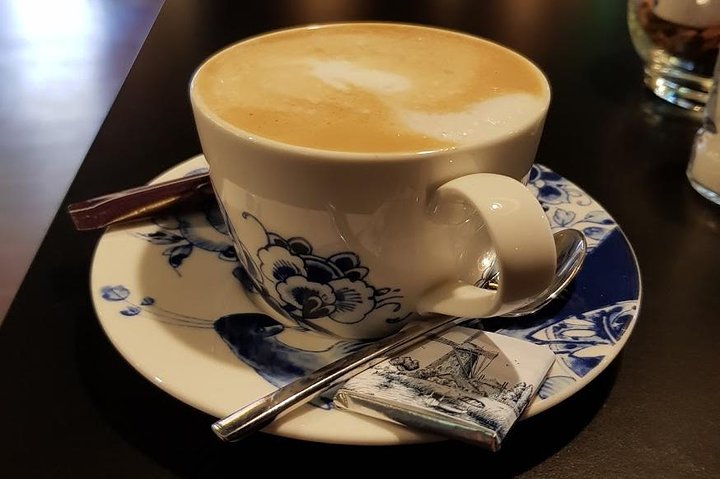
The Royal Delft factory, established in 1653, stands as a testament to the enduring legacy of Dutch craftsmanship. As the last remaining Delftware factory from the 17th century, it holds a special place in the annals of European porcelain history. The factory’s connection to the Dutch Royal family, who have long been admirers of its exquisite blue and white ceramics, adds an air of regal authenticity to the experience. As we settled into the Brasserie, overlooking the picturesque courtyard, the aroma of freshly brewed tea and the sight of beautifully arranged tiers of treats promised a delightful respite from our travels.
Immersed in the Art of Delft Blue
With our spirits lifted and our bodies warmed, we embarked on the audio-guided tour of the museum and factory. The Royal Delft experience is a journey through time, offering a comprehensive look at the history and production of Delft Blue. The audiovisual presentation provided a fascinating overview of how the Dutch East India Company first introduced Chinese porcelain to Europe, sparking a cultural phenomenon that would lead to the creation of Delft Blue.
As we wandered through the museum, we marveled at the collection of antique and modern Delftware, each piece a testament to the skill and artistry of the craftsmen who have kept this tradition alive for centuries. The themed chambers, dedicated to Johannes Vermeer and the Royal Chambers, offered a glimpse into the cultural and historical significance of Delft Blue. The highlight of our tour was undoubtedly the opportunity to observe a master painter at work. With only a few other visitors present, we had the rare chance to engage with the artist, asking questions and gaining insights into the meticulous process of hand-painting each piece.
A Delightful Conclusion
Our afternoon at Royal Delft concluded with a visit to the gift shop, where we found ourselves irresistibly drawn to the array of hand-painted souvenirs. Each item seemed to carry a piece of the factory’s storied past, making it difficult to choose just a few to take home. The staff’s attention to detail extended to the high tea, where they thoughtfully prepared a lactose-free tier of delicacies for my wife, ensuring that our experience was as enjoyable as it was accommodating.
As we prepared to leave, Scot, ever the gracious host, shared historical photographs of Delft and provided us with a more direct route back to the train station. His advice to “just follow the bikes” proved both practical and charming, guiding us through the heart of Delft’s vibrant community. Reflecting on our visit, I was reminded of the enduring allure of history and tradition, and how places like Royal Delft continue to connect us to the past while enriching our present. For those who share my passion for history and craftsmanship, a visit to Delft Blue Tour is an experience not to be missed.