Unveiling the Mysteries of Ek Balam: A Journey Through Time and Nature
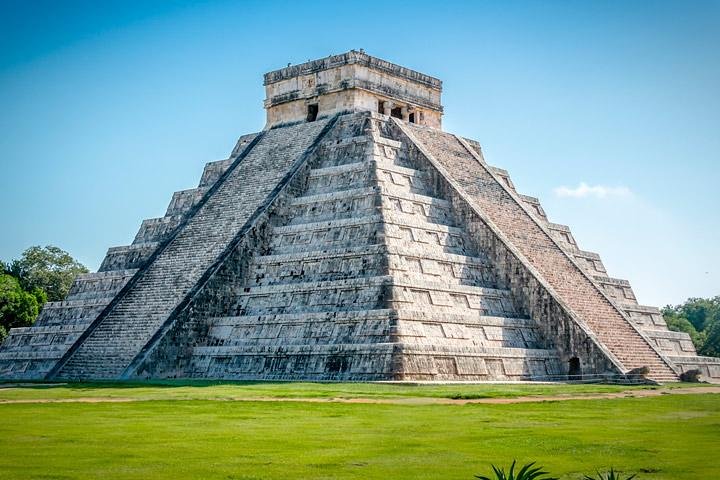
Intrigued by the allure of Mayan history, I embarked on a journey to Ek Balam, Valladolid, and a sacred cenote. This unexpected detour from Chichen Itza offered a deeper connection to the ancient world and its cultural significance.


The Enigmatic Ruins of Ek Balam
As a cultural anthropologist, I have always been drawn to the stories that ancient ruins tell. My recent journey to Ek Balam, a lesser-known but equally captivating Mayan site, was no exception. The tour, originally planned for Chichen Itza, was rerouted to Ek Balam, and I found myself unexpectedly delighted by this change.
Ek Balam, meaning “Black Jaguar” in the Mayan language, is a site that exudes mystery and grandeur. The climb to the top of the Acropolis, the largest structure in the complex, was a must-do. As I ascended the steep steps, I felt a connection to the ancient Mayans who once walked these paths. The view from the top was breathtaking, offering a panoramic vista of the surrounding jungle, a sea of green that seemed to stretch endlessly.
The intricate carvings and well-preserved stucco sculptures at Ek Balam are a testament to the artistic prowess of the Mayan civilization. Each detail tells a story, a glimpse into a world that thrived centuries ago. As I wandered through the ruins, I couldn’t help but reflect on the cultural significance of these ancient structures and the people who built them.
A Dip into the Sacred Cenote
After exploring the ruins, our journey continued to a cenote, a natural sinkhole that the Mayans considered sacred. The cenote we visited was reminiscent of a scene from Jurassic Park, with its lush vegetation and crystal-clear waters. Descending the stone steps, I felt as though I was entering a hidden world, a place where time stood still.
Swimming in the cenote was a surreal experience. The water was cool and refreshing, a welcome respite from the Yucatan heat. As I floated on my back, gazing up at the sky framed by the towering walls of the cenote, I felt a profound sense of peace. It was easy to understand why the Mayans held these natural formations in such high regard.
The cenote was not just a place of beauty but also a site of cultural and spiritual significance. It was a reminder of the deep connection the Mayans had with nature, a relationship that was integral to their way of life. This experience left me with a renewed appreciation for the natural world and the wisdom of ancient cultures.
Strolling Through Valladolid
Our final stop was the charming colonial city of Valladolid. Known for its vibrant streets and historic architecture, Valladolid is a city that invites exploration. As I strolled through its cobblestone streets, I was captivated by the colorful facades of the buildings, each one telling a story of its own.
Valladolid is a city steeped in history, a place where the past and present coexist harmoniously. The city’s colonial charm is complemented by its rich cultural heritage, evident in the local markets, where artisans display their crafts, and the aroma of traditional Yucatecan cuisine fills the air.
As I wandered through Valladolid, I was reminded of the importance of preserving cultural heritage. The city’s ability to maintain its historical identity while embracing modernity is a testament to the resilience and adaptability of its people. It was a fitting end to a journey that celebrated the beauty and complexity of Mayan culture.
Reflecting on this experience, I am grateful for the opportunity to immerse myself in the rich tapestry of history, nature, and culture that the Yucatan Peninsula offers. This journey was not just a tour but a profound exploration of the human spirit and its enduring connection to the past.