Unveiling Budapest’s Jewish Quarter: A Journey of History and Heart
In search of deeper understanding and connection, I embarked on a journey through Budapest’s Jewish Quarter. Guided by the insightful Timea Tarjáni, I discovered a world where history and personal stories intertwine, offering a profound exploration of identity and resilience.


A Walk Through Time: Discovering Budapest’s Jewish Quarter
The Echoes of History
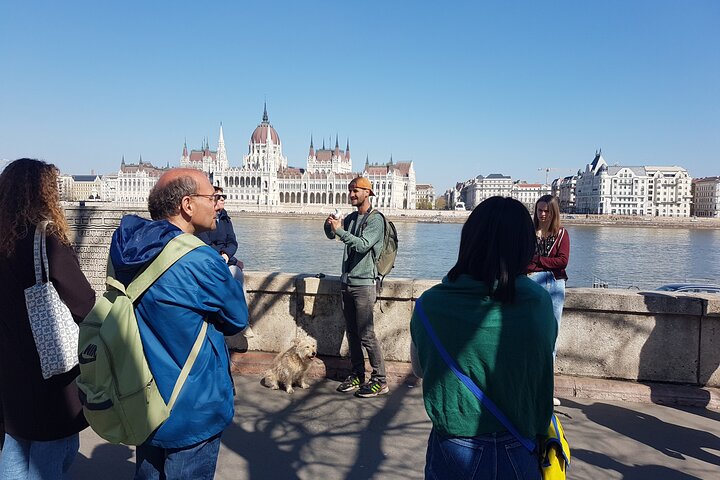
As I embarked on the Budapest Jewish Heritage Walk, I found myself drawn into a world where the past and present coexist in a delicate dance. The Jewish Quarter of Budapest, with its narrow streets and hidden courtyards, whispered stories of resilience and revival. My guide, Timea Tarjáni, was not just a guide but a bridge to the past, her family having lived in Budapest for generations. Her personal anecdotes and deep connections within the community added layers of meaning to the experience.
Walking through the quarter, I was struck by the juxtaposition of the grand synagogues and the humble prayer houses. The Dohány Street Synagogue, with its majestic architecture, stood as a testament to the enduring spirit of the Jewish community. Yet, it was the smaller, lesser-known sites that truly captured my imagination. The Carl Lutz Memorial and the Raoul Wallenberg Holocaust Memorial Park were poignant reminders of the courage and compassion that flourished even in the darkest times.
A Personal Journey
Timea’s warmth and openness made the tour feel like a personal journey rather than a mere historical exploration. Her willingness to assist with genealogical research at the Hungarian Jewish Museum and Archives was a testament to her dedication. As we delved into the archives, I couldn’t help but reflect on my own journey of self-discovery. The search for identity, whether through family history or personal introspection, is a universal quest.
Meeting members of the local Jewish community, introduced by Timea, enriched the experience further. Their stories of survival and renewal resonated deeply with me, mirroring my own path of healing and growth. The vibrant culture and thriving community life in Budapest today stand as a powerful symbol of resilience, a theme that has become central to my own narrative.
The Soul of Budapest
The tour was not just about the past; it was a celebration of the present and a hopeful look towards the future. The bustling Gozsdu Courtyard, with its eclectic mix of shops and eateries, offered a glimpse into the everyday life of the locals. The iconic ruin bars, like Szimpla, were a testament to the city’s creative spirit and its ability to transform the old into something new and exciting.
As I wandered through the streets, I felt a profound connection to Budapest, a city that, like me, has weathered storms and emerged stronger. The Shoes on the Danube Bank, a haunting memorial to the victims of the Holocaust, served as a poignant reminder of the importance of remembering and honoring the past.
In the end, the Budapest Jewish Heritage Walk was more than just a tour; it was a journey of the soul. It reminded me that history is not just a series of events but a tapestry of human experiences, woven together by the threads of memory and hope. As I continue my travels through Eastern Europe, I carry with me the lessons learned in Budapest, a city that has left an indelible mark on my heart.