Whispers of History: Exploring Lebanon’s Qadisha Valley and Cedars
Drawn by the allure of Lebanon’s rich history and natural beauty, I embarked on a journey to explore the Qadisha Valley and the Cedars of God. Join me as I delve into the enchanting landscapes and ancient sites that define this remarkable region.


A Journey Through Time: The Qozhaya Monastery
As I embarked on the Mount Lebanon Tour, I was filled with anticipation, eager to explore the rich tapestry of history and culture that awaited me. Our first stop was the Qozhaya Monastery, a place that seemed to echo with the whispers of centuries past. Nestled amidst the lush greenery of the Qadisha Valley, the monastery stands as a testament to the enduring spirit of faith and resilience.
Walking through its ancient halls, I was struck by the profound sense of history that enveloped the place. The monastery, dating back to the 12th century, has witnessed the ebb and flow of empires and the steadfast devotion of those who sought solace within its walls. Our guide shared stories of the monks who once inhabited this sacred space, their lives intertwined with the land and its history.
However, as a cultural anthropologist, I found myself pondering the historical accuracy of some of the tales. The mention of Roman persecution seemed anachronistic, given the timeline of the monastery’s establishment. Yet, this discrepancy did not diminish the awe-inspiring beauty of the site. Instead, it served as a reminder of the complex layers of history that often intertwine, creating a rich tapestry of narratives that define a place.
The Enchanting Qadisha Valley
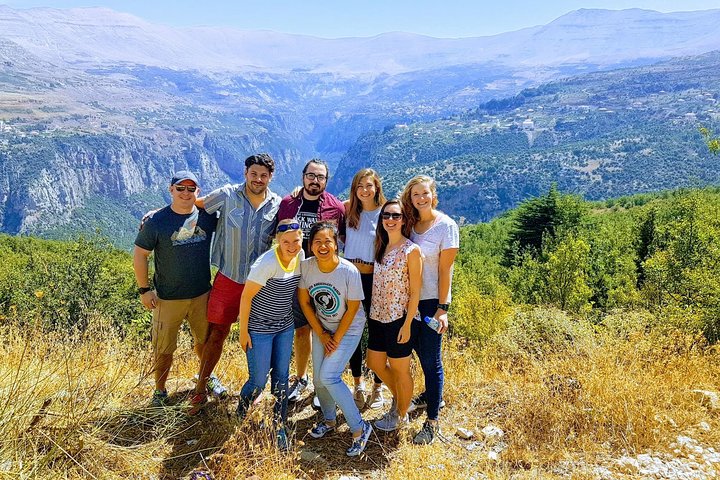
Leaving the monastery, we ventured deeper into the heart of the Qadisha Valley, a place that seemed to transcend time itself. As I gazed upon the rugged landscape, I understood why so many have been captivated by its beauty. The valley, with its ancient caves and monasteries, is a living testament to the early Christian monastic tradition.
The air was filled with a sense of tranquility, a stark contrast to the bustling city life I had left behind. As I wandered through the valley, I felt a deep connection to the land and its history. The Qadisha Valley is not just a place; it is a living, breathing entity that holds the stories of countless souls who have walked its paths.
I found myself lost in thought, imagining the lives of those who had sought refuge in this sacred place. The valley’s natural beauty is matched only by its spiritual significance, a sanctuary for those seeking peace and enlightenment. It was a place I wished I could linger in forever, a sentiment echoed by many who have visited this enchanting landscape.
The Majestic Cedars of God
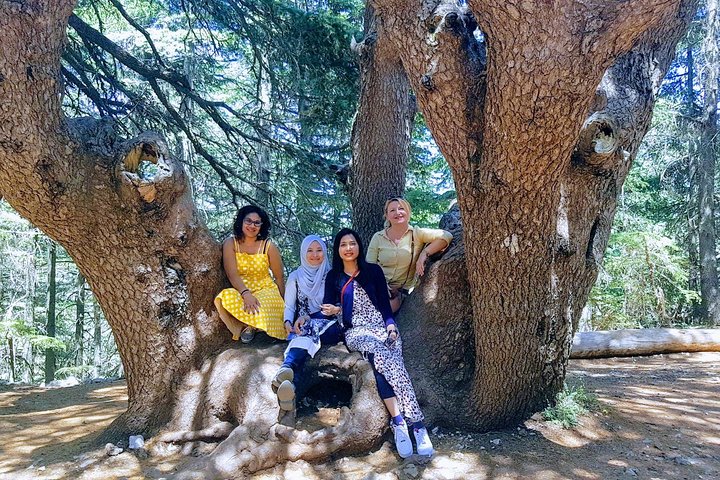
Our journey continued to the Cedars of God, a forest that stands as a symbol of Lebanon’s rich natural heritage. These ancient trees, some of which have stood for thousands of years, are a testament to the resilience of nature and the enduring spirit of the Lebanese people.
Walking among the towering cedars, I was reminded of the deep connection between nature and culture. The cedars have been revered throughout history, their wood used to build temples and ships, their image emblazoned on the Lebanese flag. They are more than just trees; they are a symbol of national pride and identity.
As I stood beneath their branches, I felt a profound sense of awe and reverence. The Cedars of God are a reminder of the beauty and fragility of our natural world, a call to preserve and protect the treasures that have been entrusted to us. This experience was a fitting conclusion to a journey that had taken me through the heart of Lebanon’s cultural and natural heritage, leaving me with a deeper appreciation for the land and its people.