Exploring Lebanon’s Spiritual Tapestry: A Journey Through Beiteddine, Moussa Castle, and Deir el Qamar
Drawn by the allure of Lebanon’s rich history, I embarked on a private tour to Beiteddine Palace, Moussa Castle, and Deir el Qamar. Guided by the knowledgeable Ziad, I discovered the spiritual and cultural tapestry of this enchanting land.


A Journey Through Time: Beiteddine Palace
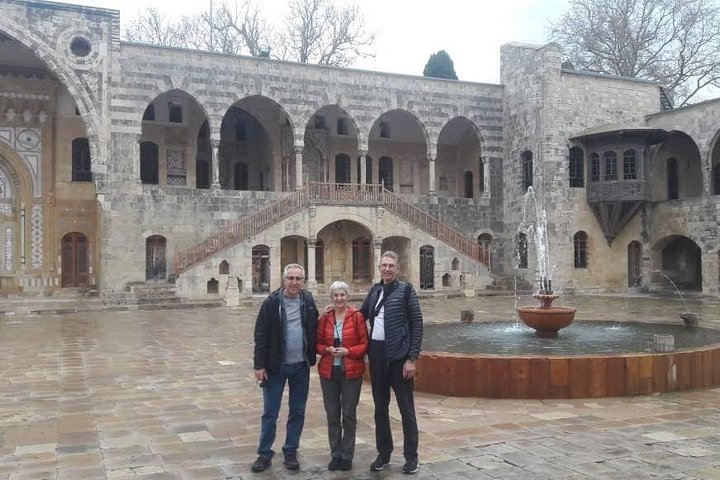
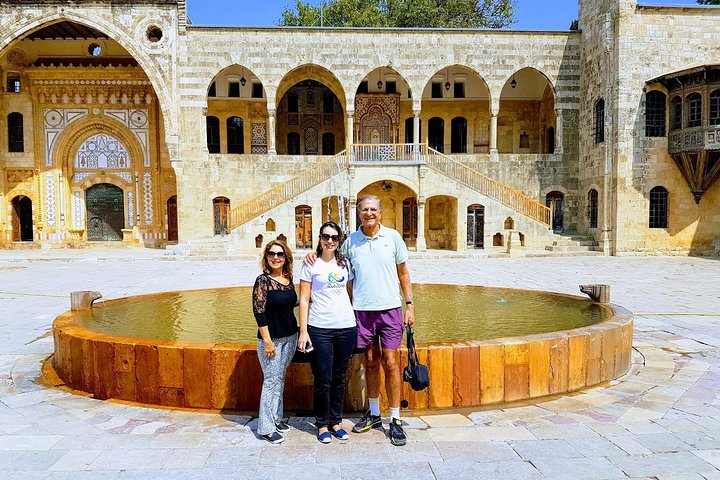
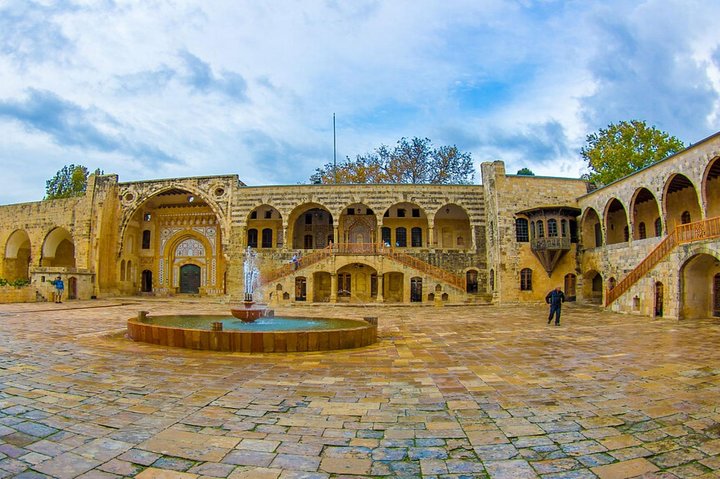
As I embarked on the private tour to the historic Beiteddine Palace, I was filled with anticipation. The palace, known as the ‘House of Faith,’ stands as a testament to the rich tapestry of Lebanon’s history. Built by Emir Bashir Chehab II between 1788 and 1818, the palace has witnessed the ebb and flow of empires and cultures. Walking through its grand halls, I felt a profound connection to the past, as if the very stones whispered stories of bygone eras.
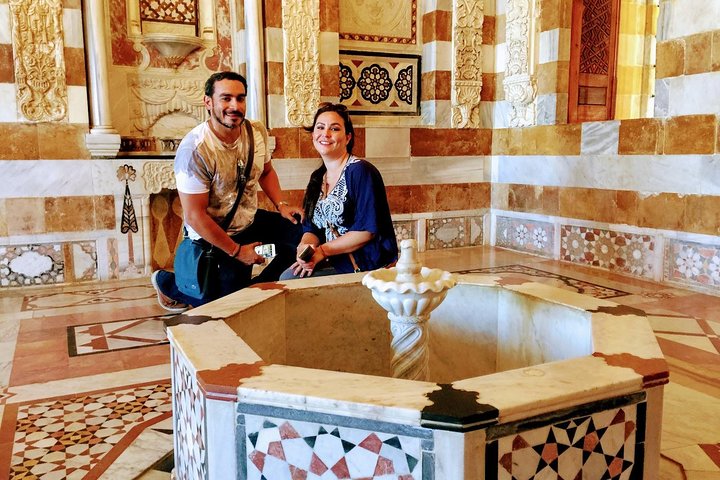
The palace’s architecture is a harmonious blend of traditional Lebanese and Italian styles, a reflection of the cultural exchanges that have shaped this region. As I wandered through the courtyards and gardens, I was struck by the intricate mosaics and ornate carvings that adorned the walls. Each detail seemed to hold a piece of Lebanon’s soul, a reminder of the resilience and beauty that define this land.
My guide, Ziad, was a wellspring of knowledge, weaving tales of the palace’s history with insights into Lebanon’s cultural heritage. His passion for the subject was infectious, and I found myself drawn into the narrative, eager to learn more about the people and events that have shaped this remarkable place.
The Dream of Moussa Castle
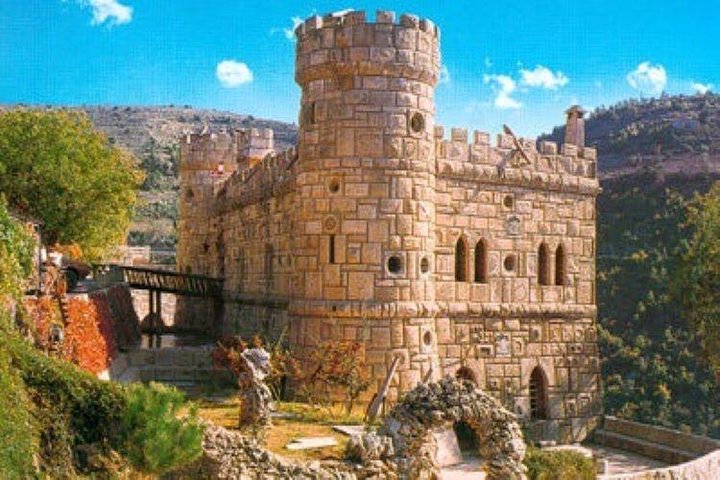
Leaving the grandeur of Beiteddine Palace behind, we journeyed to Moussa Castle, a testament to one man’s dream and determination. Built by Moussa Al Maamari, the castle is a labor of love, a manifestation of a vision that began when Moussa was just 14 years old. As I explored the castle, I was inspired by the story of its creation, a reminder that dreams, no matter how grand, can be realized with perseverance and faith.
The castle’s walls are adorned with engravings that reflect Moussa’s beliefs and ideas, a personal touch that adds to its charm. As I stood atop the hill, gazing out at the breathtaking views of the Chouf countryside, I felt a sense of peace and fulfillment. The castle, much like the man who built it, is a symbol of hope and the power of the human spirit.
Ziad’s insights into Moussa’s life and the history of the castle added depth to the experience. His ability to bring the past to life through storytelling made the visit all the more enriching, and I left Moussa Castle with a renewed sense of wonder and appreciation for the stories that shape our world.
Deir el Qamar: A Tapestry of Faiths
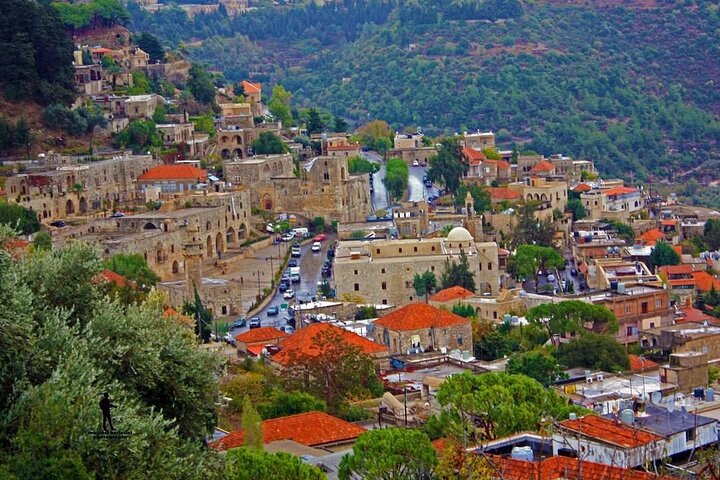
Our final stop was Deir el Qamar, a village steeped in history and cultural significance. Known as the “Monastery of the Moon,” Deir el Qamar is a place where different faiths have coexisted for centuries. As I walked through its cobblestone streets, I was struck by the harmonious blend of religious sites, from the Fakhreddine Mosque to the Saydet El Talle Church.
The village’s picturesque stone houses with red-tiled roofs exude a timeless charm, a reminder of a bygone era. As I explored the village, I felt a deep sense of connection to the people who have called this place home, their stories woven into the fabric of the land.
Ziad’s knowledge of Deir el Qamar’s history and his ability to convey the significance of each site made the visit truly memorable. His passion for Lebanon’s cultural heritage was evident in every word, and I left the village with a deeper understanding of the rich tapestry of faiths that have shaped this region.
This journey through Beiteddine Palace, Moussa Castle, and Deir el Qamar was more than just a tour; it was a pilgrimage of the soul, a chance to connect with the past and reflect on the enduring spirit of Lebanon. I am grateful for the opportunity to experience these remarkable places and for the guidance of Ziad, whose knowledge and passion enriched the journey beyond measure.