Exploring Lebanon’s Spiritual and Historical Tapestry: A Journey Through Beiteddine, Moussa Castle, and Deir El Qamar
Drawn by the allure of Lebanon’s rich history and cultural tapestry, I embarked on a journey to explore the treasures of Beiteddine, Deir El Qamar, and Moussa Castle. Join me as I delve into the spiritual and historical depths of these remarkable sites.


A Journey Through Time: Beiteddine Palace
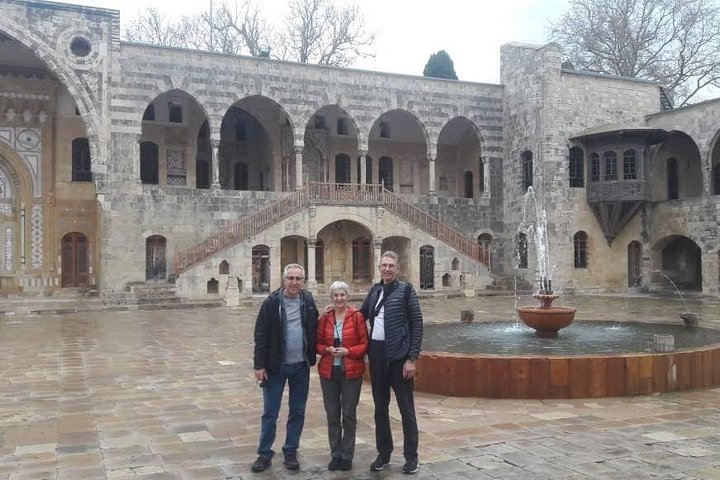
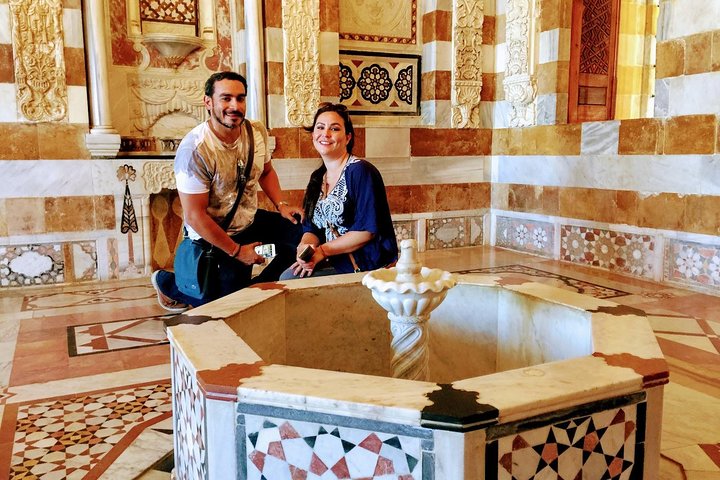
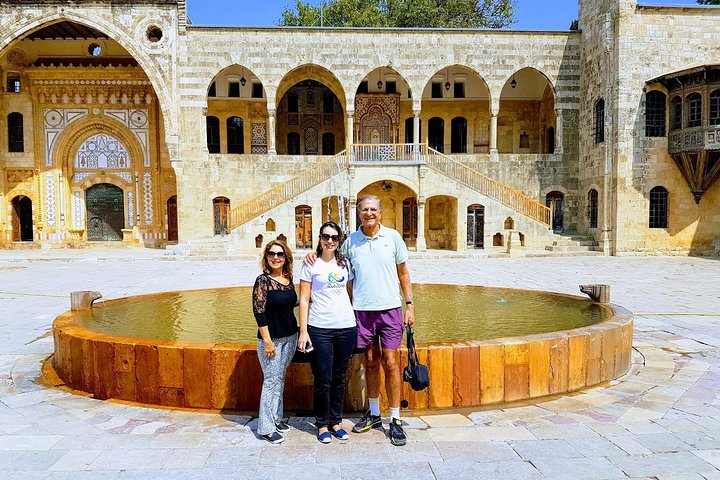
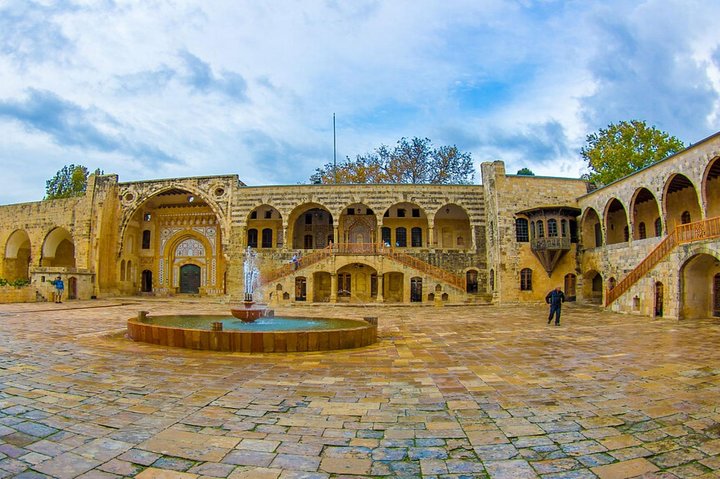
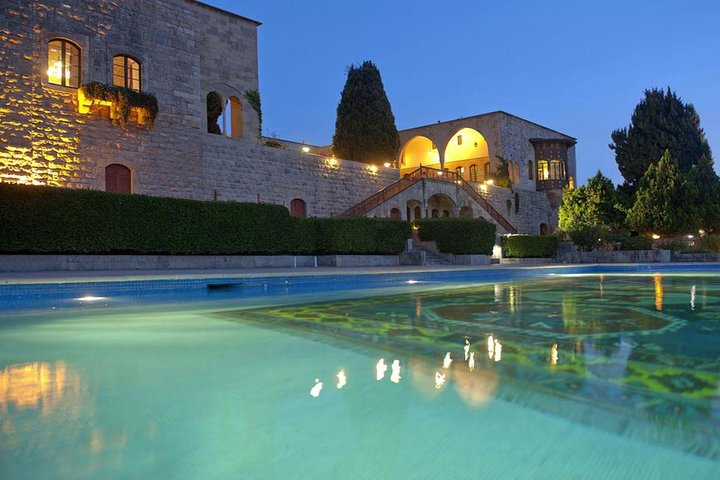
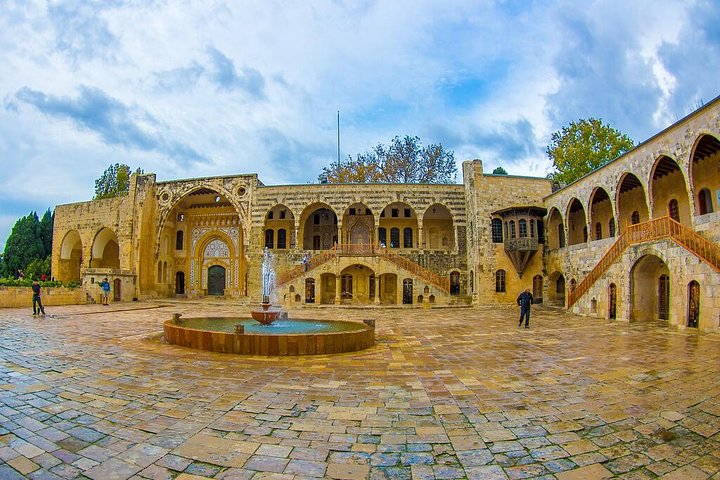
As I stepped into the Beiteddine Palace, I was immediately enveloped by the echoes of history that reverberated through its grand halls. The palace, a testament to the architectural prowess of the 19th century, stands as a symbol of Lebanon’s rich cultural tapestry. Built by Emir Bashir Chehab II, the palace’s intricate mosaics and ornate woodwork speak of a time when art and architecture were deeply intertwined with spirituality and governance.
Walking through the palace, I couldn’t help but reflect on the layers of history that have unfolded within its walls. From its origins as a ruler’s residence to its role as a government building during the Ottoman era, and later as the president’s summer residence, the palace has been a silent witness to Lebanon’s evolving narrative. The Beiteddine Festival, held annually within its grounds, further cements its status as a cultural beacon, drawing artists and audiences from around the world.
The palace’s museum, with its collection of artifacts and art, offers a glimpse into the past, allowing visitors to connect with the stories of those who once walked its corridors. As I wandered through the exhibits, I felt a profound sense of connection to the past, a reminder of the enduring legacy of those who came before us.
The Whimsical World of Moussa Castle
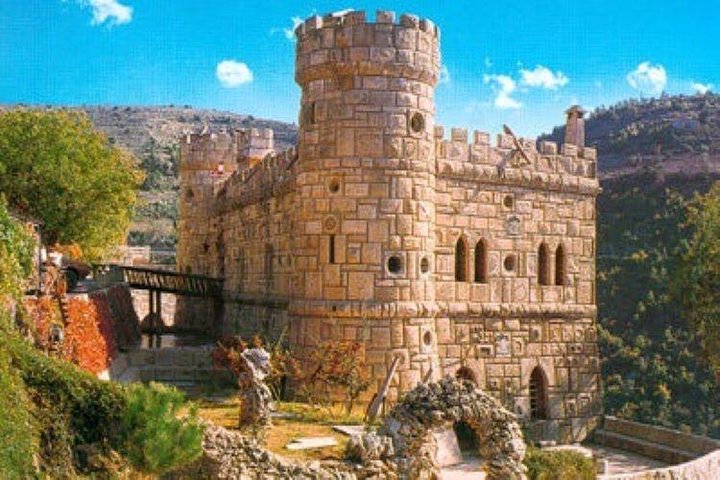
Leaving the grandeur of Beiteddine Palace behind, I ventured to the whimsical Moussa Castle, a place that defies conventional narratives. Built by Moussa Al Maamari, a man driven by a dream to create his own castle, this site is a testament to the power of imagination and determination. As I explored the castle, I was struck by the personal touches that Moussa had infused into every stone, each one telling a story of love, ambition, and resilience.
The castle’s unique architecture, with its blend of traditional and fantastical elements, invites visitors to step into a world where dreams take shape in stone. Moussa’s story, of a young boy who dared to dream beyond the confines of his reality, resonated deeply with me. It reminded me of the importance of holding onto our dreams, no matter how improbable they may seem.
As I wandered through the castle’s rooms, each filled with Moussa’s handcrafted creations, I was reminded of the power of individual vision and the impact it can have on the world. The castle stands as a monument to one man’s dream, a reminder that our aspirations can shape the world around us in profound ways.
Deir El Qamar: A Village of Harmony
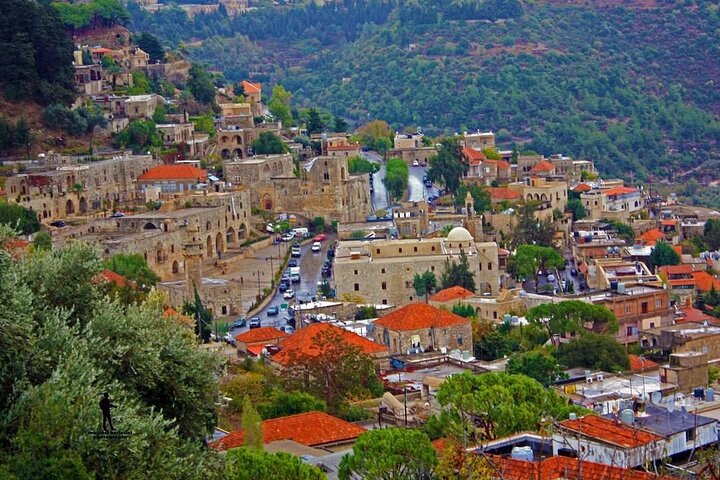
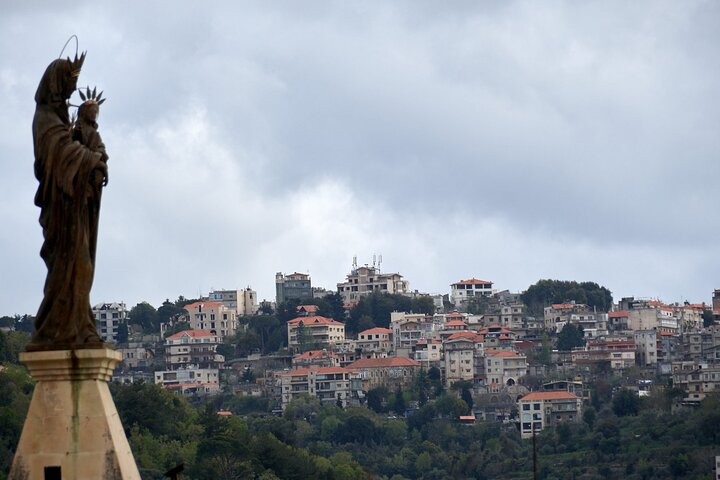
My journey concluded in the picturesque village of Deir El Qamar, a place where history and harmony coexist. Known as the “Monastery of the Moon,” this village is a living testament to Lebanon’s diverse cultural and religious heritage. As I strolled through its cobblestone streets, I was captivated by the blend of architectural styles, each reflecting the village’s rich history.
Deir El Qamar’s significance as a center of religious coexistence is evident in its historic sites, including Fakhreddine’s Mosque and the Saydet El Talle Church. These landmarks, standing side by side, symbolize the village’s legacy of tolerance and unity. The story of the church, built over the ruins of a Phoenician temple, speaks to the layers of history and faith that have shaped this community.
As I sat in the village square, surrounded by the whispers of the past, I felt a deep sense of peace and connection. Deir El Qamar is more than just a village; it is a reminder of the beauty that can emerge when diverse cultures and beliefs come together in harmony. My journey through Beiteddine, Moussa Castle, and Deir El Qamar was not just a physical exploration, but a spiritual one, enriching my understanding of Lebanon’s cultural and historical landscape.